How Do I Apply for the Entrepreneur Residence in Serbia?
So, you've got this incredible idea, this entrepreneurial spirit, and Serbia has caught your eye as the perfect place to build your dream business. It's an exciting thought, isn't it? The energy here, the potential, the community… but then comes the reality check: "How do I actually live and legally run my business here?" Trust me, you're not alone if the bureaucratic maze of immigration and business registration feels like trying to solve a Rubik's Cube blindfolded. This guide is here to untangle that knot, walking you through the specific process of applying for the entrepreneur residence in Serbia, often referred to as the 'Single Permit for self-employment'.
The Entrepreneur Residence Permit: What It Is and Why It Matters
Moving to a new country to start a business is a huge step, and one of the biggest hurdles is always navigating the legalities of staying there. In Serbia, having an entrepreneurial spirit is wonderful, but it needs to be grounded in a solid legal framework for your residency. This is where the entrepreneur residence permit comes into play. It's not just a piece of paper; it's your official gateway to building your life and your livelihood in this vibrant country.
Defining the "Entrepreneur Residence" (Preduzetnik Boravak)
Historically, foreigners would apply for a temporary residence permit (privremeni boravak) based on establishing a business or being self-employed, and then separately apply for a work permit. This two-step process was, frankly, a bit of a headache, causing delays and confusion for many of us. Thankfully, Serbia has been modernizing its approach. The new system largely operates under a "Single Permit for Work and Residence in Serbia," which aims to streamline these processes into one application. For entrepreneurs, this means your application for self-employment residency is now handled under this unified framework.
Essentially, the entrepreneur residence allows you, as a foreign national, to live in Serbia legally because you are operating a registered business here. It acknowledges that your presence in the country is directly tied to your economic activity. It's distinct from, say, a residence permit for study or family reunification. You are here to create, innovate, and contribute to the Serbian economy, and this permit is the government's way of facilitating that. Think of it as proving that you have a viable reason to be here long-term, beyond just visiting, and that your business will sustain you.
Key Benefits for Aspiring Business Owners
Securing your entrepreneur residence permit unlocks a world of possibilities for your business and your personal life in Serbia. The most immediate and obvious benefit is, of course, the legal right to reside in the country for an extended period, typically one year, with the possibility of renewal. This stability is invaluable when you're trying to launch and grow a business. No more worrying about visa runs or the 90-day tourist limit.
Beyond mere legality, this permit is crucial for integration into Serbian society. It enables you to:
- Access Public Services: With your residence permit, you become eligible to register with the Republic Health Insurance Fund (RFZO), giving you access to public healthcare. While many expats opt for private health insurance for faster service or English-speaking doctors, having the public option is a significant safety net. You'll also be able to register your address (prijava) with the police, which is a fundamental administrative step for everything else.
- Establish Financial Footing: Banks are far more willing to open accounts for individuals with valid residence permits. This is critical for both your personal finances and your business operations. Trying to manage business finances without a local bank account in Serbia is almost impossible, and you’ll find that The Expat Guide to Opening a Bank Account in Serbia delves into the specifics of this process.
- Future Pathways: Holding an entrepreneur residence permit contributes towards the time required to apply for permanent residence in Serbia, which typically requires a continuous stay of three to five years, depending on the specific grounds. If Serbia truly feels like home and you envision a long-term future here, this permit is a vital stepping stone. It also allows you to potentially sponsor family members for their own residence permits, enabling family reunification.
- Credibility: For potential clients, partners, and even landlords, having a properly registered business and a valid residence permit lends immense credibility. It shows you're serious about your venture and committed to operating within Serbian law. This can be a subtle but powerful advantage in a market where trust is highly valued.
Common Misconceptions to Clear Up
There are a few myths and misunderstandings that often trip up aspiring expat entrepreneurs in Serbia. Let's clear them up right away to save you some stress.
Firstly, a common misconception is that simply registering a business with the Serbian Business Registers Agency (APR) automatically grants you residence. This is absolutely not the case. Business registration is one part of the puzzle, a prerequisite for the entrepreneur residence permit, but it doesn't replace the separate immigration application process. You still need to submit a comprehensive application to the Ministry of Interior (MUP) to get your residence permit. The new Single Permit system does combine the work and residence application, but it still requires a full review by MUP.
Secondly, some believe that being self-employed under the paušal (lump-sum tax) regime means fewer requirements for the residence permit. While the paušal regime simplifies your tax obligations significantly – and Understanding the Pausal Lump-Sum Tax Regime in Serbia (2026) is a great resource for this – it doesn't reduce the documentation or scrutiny for your residence application. You still need to demonstrate the viability of your business and your financial means, just like any other business owner.
Finally, there's often confusion about what constitutes "sufficient funds" or a "viable business plan." While Serbia doesn't typically require a massive initial investment like some other countries, you do need to show that your business will genuinely generate income to support you. This isn't just a formality; it's a critical aspect of your application. Don't underestimate the importance of a clear, realistic business plan, even if it's just for yourself and the immigration officer.
Step-by-Step Application Process for Your Entrepreneur Residence
Alright, let's roll up our sleeves and get into the nitty-gritty of the application process. This can feel overwhelming, but breaking it down into manageable steps makes it much less daunting. Remember, patience is your best friend here.
Initial Preparations: Before You Even Touch a Form
Before you start filling out any official documents, there are a few foundational steps you absolutely need to nail down. These preparatory actions will save you immense time and potential frustration later on.
First and foremost, you need a clear business idea and a basic plan. What service or product will you offer? Who are your target clients? How will you generate income? You don't need a Harvard Business Review-level document, but you should be able to articulate your business clearly. This initial clarity will inform your business registration and, crucially, your residence permit application, where you'll need to explain your intentions.
Next, you need to secure an address in Serbia. This is non-negotiable. Whether it's a rental apartment, a room, or even a friend's spare room, you must have a registered address (often called prijava boravka or just prijava). This address will be used for your residence permit application and later for your business registration. Most landlords are used to providing the necessary documentation for this, but it’s always good to confirm before you sign a lease. For more on finding a place, check out The Complete Guide to Renting an Apartment in Serbia (2027).
Finally, ensure your passport is valid for at least six months beyond your intended stay. While this sounds obvious, it's a common oversight that can lead to immediate rejection or delays. Also, gather all your personal documents: birth certificate, marriage certificate (if applicable), and any educational degrees or professional qualifications that might support your business venture. While not always strictly required for every self-employment application, having them translated and apostilled (if from certain countries) upfront is a wise move, as How to Get Your Documents Apostilled for Serbia Immigration explains. When it comes to moving your belongings, sometimes a service like Sirelo can help coordinate your relocation, ensuring your important documents travel safely with you.
Registering Your Business Entity
This is a critical pre-step for your residence application. You cannot apply for an entrepreneur residence without having a registered business. In Serbia, the most common legal forms for small businesses and freelancers are "Preduzetnik" (sole trader/entrepreneur) or "DOO" (limited liability company). For most individual entrepreneurs, the "Preduzetnik" structure is simpler and more popular, especially if you plan to operate under the paušal tax regime.
To register your business, you'll go through the Business Registers Agency (Agencija za privredne registre – APR). The process involves:
- Choosing a Business Name and Activity Code (Šifra Delatnosti): This code specifies your primary business activity. There's a comprehensive list, and you'll need to select the one that best describes what you do.
- Preparing Documentation: For a Preduzetnik, this typically includes:
- Application form (available on the APR website)
- Copy of your passport
- Proof of residential address in Serbia (e.g., rental contract, prijava boravka)
- Confirmation of payment of the administrative fee.
- For a DOO, the requirements are more extensive, including founding acts and details about shareholders.
- Submitting the Application: You can submit this in person at an APR branch or, increasingly, online through their e-registration portal. If you're not fluent in Serbian, hiring a local accountant or lawyer to assist with this step is highly recommended. They can navigate the forms and ensure everything is correct, often preventing initial rejections. They will also help you get your Tax ID (PIB), which is absolutely essential for all financial and legal dealings, as highlighted in How to Get a Tax ID (PIB) as a Foreigner in Serbia.
Once your business is registered, you'll receive a decision from APR, along with your registration number. This document is golden; you'll need it for your residence application.
Gathering the Necessary Documentation
Now that your business is officially on the books, it's time to gather the documents specifically for your residence permit application. Remember the "Single Permit" system – it's designed to make things smoother, but the underlying documentation is still thorough. You'll submit these to the Ministry of Interior (MUP), usually at the foreigners' police department in the city where you reside (e.g., Savska ulica in Belgrade).
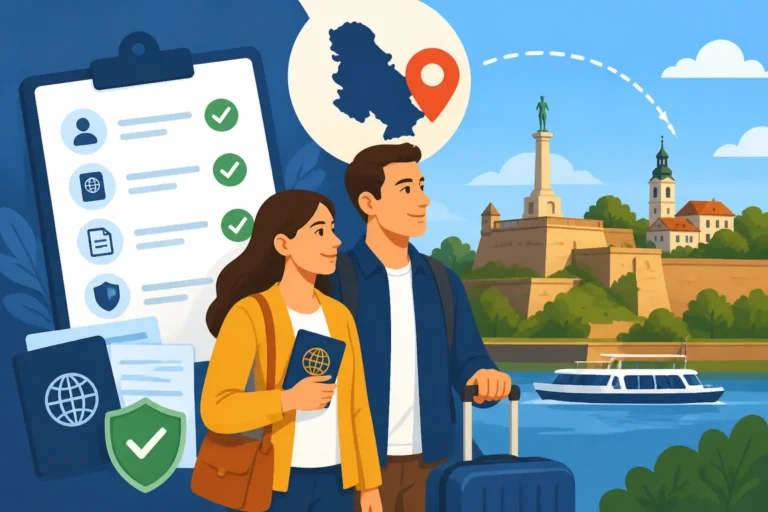
Here’s a breakdown of what you'll typically need:
- Completed Application Form: This is usually available at the MUP offices or sometimes online. Fill it out accurately and completely.
- Valid Passport: Original and a copy, with sufficient validity remaining.
- Proof of Funds: This is crucial. You need to demonstrate you have sufficient means to support yourself in Serbia. This can be a bank statement from a Serbian bank (or sometimes a foreign one, but a local account is preferred) showing a certain minimum amount (the exact figure can vary but generally aims to cover basic living expenses for the permit duration, often around €300-€500 per month). You can read more about financial requirements in The Complete Visa and Immigration Guide for Relocating to Serbia (2027).
- Proof of Accommodation: Your registered address in Serbia (your prijava boravka). This could be a certified rental agreement or a statement from your host.
- Proof of Health Insurance: This is mandatory. If you are registering as a Preduzetnik and paying your social contributions, you'll eventually be covered by the RFZO. However, for the initial application, you might need to show proof of private health insurance for the first year, or at least until your RFZO coverage kicks in. Many expats choose comprehensive international plans from providers like Cigna Global to ensure they have robust coverage from day one. This also gives peace of mind while navigating the public system. For more on this, consult Health Insurance in Serbia: RFZO, Private and International Options Explained.
- APR Business Registration Documents: The decision from the Business Registers Agency proving your business is legally established.
- Business Plan (brief): While not always a formal, multi-page document, you should be prepared to explain your business activities, target market, and how it will generate income. For some, a simple paragraph or two articulating this on your application form will suffice, but having a more detailed explanation ready can only help.
- Bank Statement for Business: Sometimes required to show that your business entity has opened a bank account.
- Proof of Tax Registration: Documentation from the Poreska Uprava (Tax Administration) confirming your business is registered for tax purposes. This often comes after your APR registration.
- Administrative Fee Payment: Proof that you've paid the required government fees for the residence permit application. These are usually paid at a post office or bank using a payment slip (Uplatnica).
- Photos: Standard passport-sized photographs.
It’s important to note that all foreign documents must be officially translated into Serbian by a sworn court translator (sudski tumač). Always confirm the exact, up-to-date list of required documents with the MUP or a reputable legal advisor, as requirements can sometimes change without much public notice.
Submitting Your Application and What to Expect
Once you have all your documents in order, translated, and certified where necessary, it's time to submit your application. This is typically done in person at the MUP Foreigners Department.
- Booking an Appointment (if necessary): Some MUP offices, especially in larger cities like Belgrade, might require you to book an appointment online or by phone. Others operate on a first-come, first-served basis, which can mean long waits.
- The Submission: When you go, bring all your originals and copies. The MUP officer will review your documents, ask any clarifying questions, and take your fingerprints and possibly a digital photo. They might ask for additional documents on the spot, so try to remain flexible.
- The Waiting Game: After submission, you enter the dreaded waiting period. This can vary significantly, from a few weeks to several months. I've seen it take anywhere from 30 days to over 90 days. It's truly a test of patience. The MUP is generally responsive, but bureaucratic processes rarely move at lightning speed. You might receive updates via mail or SMS, or you might have to call or visit to check the status. This waiting period is also covered in How Long Does It Take to Get Residence in Serbia?.
- The Decision: If successful, you'll be notified to pick up your residence permit card. This card, often called a lična karta za stranca (foreigner's ID card), is your official proof of residence. Congratulations! If your application is denied, you will receive a formal explanation and information on how to appeal the decision. Don't panic if this happens; sometimes it's due to a minor missing document that can be rectified.
Navigating Post-Approval: Obligations and Renewal
Getting that residence card in your hand is a fantastic feeling, but it’s not the end of your administrative journey. You have ongoing responsibilities and, eventually, you'll need to renew it. Understanding these aspects will help ensure your continued smooth stay in Serbia.
Your Responsibilities After Getting the Permit
With your entrepreneur residence permit secured, you're officially a resident business owner in Serbia. This comes with a set of important responsibilities you need to adhere to. Ignoring these could lead to complications down the line, including issues with renewal.
Firstly, and perhaps most importantly, you must fulfill your business obligations. This means actively running the business you registered for. The MUP expects to see evidence that your entrepreneurial venture is legitimate and operational. This isn't just a paper exercise. If your business doesn't show any activity or income when it comes time for renewal, your permit might be questioned. This includes maintaining proper bookkeeping (whether you're on the paušal system or full accounting), issuing invoices, and engaging in your declared activities.
Secondly, you are responsible for paying your taxes and social contributions on time. As an entrepreneur, you'll have monthly obligations for income tax, pension insurance, and health insurance. These are vital not only for your legal standing but also for your access to public services like healthcare. You can delve into the details of these payments with resources like Understanding Mandatory Health Insurance Contributions in Serbia and The Complete Guide to Taxes in Serbia for Expats (2027). It’s generally advisable to engage a local accountant (knjigovođa) who specializes in working with foreigners or entrepreneurs, as they can guide you through the Serbian tax system, ensuring you remain compliant. They’re worth their weight in gold for avoiding headaches with the Poreska Uprava!
Thirdly, you must maintain your registered address. If you move, you need to update your prijava boravka with the police within a few days of changing your address. This is a legal requirement and important for receiving official correspondence. For more details, refer to How to Register Your Address (Prijava) with the Police in Serbia.
Renewing Your Entrepreneur Residence
The entrepreneur residence permit is typically issued for one year. As the expiry date approaches, usually around 60-90 days beforehand, you’ll need to start preparing for renewal. The good news is that the renewal process is generally less intensive than the initial application, but it still requires diligence.
The core principle of renewal is demonstrating that the grounds for your initial permit still exist and that you've been a compliant resident. You'll typically need to submit:
- A new application form.
- Your current residence permit card and passport.
- Proof of continued business activity: This is critical. You’ll need recent bank statements (both personal and business), tax payment confirmations, and potentially invoices or contracts that show your business is active and generating income. Your accountant can help you prepare the necessary financial reports.
- Updated proof of funds: Showing you can continue to support yourself.
- Updated proof of accommodation: If you've moved.
- Proof of health insurance: Which, at this point, should be covered by your RFZO contributions as an entrepreneur.
- Proof of paid administrative fees.
It's strongly advised to start this process early. Delays can happen, and you don't want to find yourself in a situation where your previous permit has expired while your renewal is still pending. Always keep copies of everything you submit. How to Renew Your Temporary Residence in Serbia provides further guidance on this.
Potential Challenges and How to Overcome Them
Even with the best preparation, you might encounter a few bumps along the road. It’s important to anticipate these and have strategies to navigate them.
One common challenge is the language barrier. While many younger Serbians and professionals in Belgrade speak English, official communication, forms, and some MUP staff might primarily operate in Serbian. This is where having a reliable local contact, a trusted friend, or a professional translator / legal advisor becomes invaluable. Don't guess; misunderstandings can have significant consequences.
Another challenge can be inconsistent information. Sometimes, you might receive slightly different instructions from different MUP officers or read conflicting information online. This is not uncommon in bureaucratic systems worldwide. The best approach is to confirm critical details with official sources, like the MUP website, or rely on professional advisors who deal with these processes daily. Always politely ask for clarification if something isn't clear.
Finally, the emotional toll of bureaucracy is real. Waiting periods, unexpected requests for additional documents, or perceived inefficiencies can be frustrating. Remember why you started this journey. Stay persistent, organized, and focused on the end goal. Taking breaks, practicing self-care, and having a support network of fellow expats can make a huge difference. Remind yourself that countless others have successfully navigated this path, and so can you. Serbia offers a fantastic lifestyle and opportunities, but sometimes you just need to breathe through the administrative moments.
Disclaimer
The information provided in this guide is intended for general informational purposes only and does not constitute legal, financial, or immigration advice. While we strive to keep the content up-to-date and accurate, laws and regulations in Serbia can change frequently. It is essential to consult with qualified legal, tax, or immigration professionals in Serbia for advice tailored to your specific situation. Reliance on any information provided in this guide is solely at your own risk.