Do I Have to Pay Tax on Money I Bring Into Serbia?
One of the most common worries that keep expats up at night when planning a move to Serbia revolves around money: specifically, whether you’ll be taxed on the funds you bring into the country. It’s a completely valid concern. You’ve worked hard to accumulate your savings, and the last thing you want is a hefty, unexpected tax bill just for moving your own cash. This guide is here to untangle the confusion, shed light on Serbia's regulations regarding foreign funds, and help you navigate your finances with confidence as you settle into your new life.
Understanding What Constitutes 'Bringing Money Into Serbia'
When we talk about 'bringing money into Serbia,' it’s not as simple as just one lump sum. There are several ways funds can enter the country, and each might have slightly different implications from a banking or administrative perspective, even if the tax treatment remains largely consistent for personal savings. It’s crucial to understand these distinctions before you make any moves.
Physical Cash Versus Bank Transfers
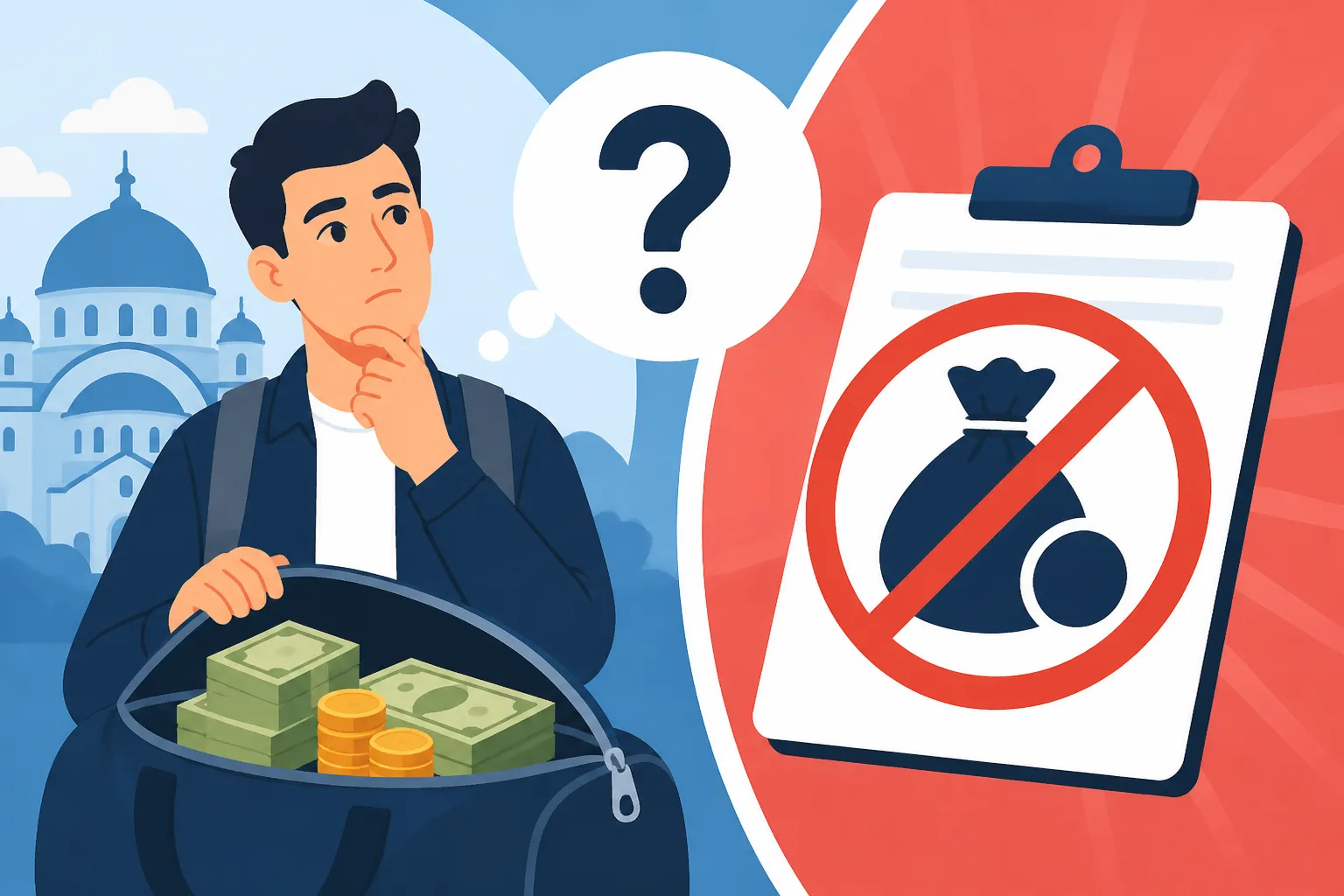
Many newcomers, especially those from countries where cash is king, might consider bringing substantial amounts of physical cash with them. While you can bring cash into Serbia, there are strict reporting requirements. If you're carrying more than €10,000 (or its equivalent in other currencies), you must declare it to customs upon entry. Fail to declare, and you risk confiscation and legal trouble – a headache no one wants when trying to start fresh. Even if declared, depositing a large amount of physical cash into a Serbian bank account will often trigger questions about the source of funds, which is a standard anti-money laundering procedure. It’s not necessarily a bad thing, but you’ll need to be prepared with documentation proving where the money came from.
For most expats, the more common and generally smoother method is through bank transfers. This typically involves wiring money from your existing bank account abroad to your newly opened Serbian bank account. Services like Wise, for instance, are incredibly popular for this, offering competitive exchange rates and often lower fees than traditional banks. When transferring via banks, the funds are already traceable, reducing some of the hassle associated with large cash deposits. However, even with bank transfers, larger sums might still require your Serbian bank to ask about the source of funds for compliance reasons. This isn't about taxing your capital, but about preventing illicit activities.
Personal Savings, Income, Gifts, and Inheritances
The nature of the money you're bringing in is a significant factor, especially when it comes to potential tax implications.
- Personal Savings: This is the most straightforward category for most expats. These are funds you've already earned, saved, and likely paid taxes on in your home country. Serbia generally does not tax the transfer of existing personal capital into the country. Think of it as simply moving your assets from one financial location to another. The key here is that it's already your money, not newly generated income within Serbia.
- New Income from Abroad: If you’re an expat working remotely for a foreign company, or generating income from investments outside Serbia, this is where tax residency becomes paramount. Once you become a tax resident in Serbia (more on that later), your worldwide income could become subject to Serbian income tax, regardless of where it’s earned or where the money physically lands. This isn't about taxing the transfer but taxing the earning of that income. For a deeper dive into this, you'll want to read up on Understanding the Tax Treatment of Foreign Income in Serbia.
- Gifts and Inheritances: These categories have their own specific tax rules in Serbia, distinct from income tax. If you receive a gift or an inheritance from abroad after becoming a tax resident in Serbia, it may be subject to gift or inheritance tax. The rates and exemptions vary significantly depending on the relationship between the giver and the recipient. For example, direct relatives (spouses, children, parents) are often exempt from these taxes up to a certain point. It's a complex area, and if you anticipate receiving such funds, it’s wise to consult with a tax professional in Serbia. These aren't taxed as "income" but rather as "acquisition of property" through gift or inheritance.
Tax Implications of Bringing Funds: When Does Serbia Tax You?
This is the million-dinar question, and the answer is generally reassuring for personal savings: Serbia primarily taxes income, not the act of bringing your already-taxed personal capital into the country. However, understanding your tax residency status is absolutely critical to avoid any unpleasant surprises.
The Crucial Role of Tax Residency
Serbia operates on a worldwide income taxation principle for its tax residents. This means if you are deemed a tax resident, you are liable to pay Serbian tax on all your income, regardless of whether it's earned in Serbia or abroad. Conversely, non-residents are typically only taxed on income sourced within Serbia.
The most common way to become a tax resident in Serbia is by spending more than 183 days within any 12-month period in the country. This isn't necessarily a calendar year but a rolling 12-month period. Other factors can also establish tax residency, such as having your "centre of vital interests" (family, economic ties) in Serbia. You can learn more about this by reading Understanding Tax Residency Rules and the 183-Day Test in Serbia.
So, here's the key takeaway:
- Bringing in your life savings (money you already own and have been taxed on elsewhere) is generally NOT a taxable event in Serbia. The Serbian tax administration (Poreska Uprava) doesn't consider moving your own capital as income.
- Generating new income (e.g., from remote work, investments, business activities) while you are a Serbian tax resident is taxable. This is where the flat 10% personal income tax comes into play. If your foreign income is deposited directly into your Serbian bank account, it doesn't make it automatically taxable, but your residency status and the source of that income do. This distinction is vital.
Double Taxation Agreements
One significant relief for expats is Serbia's extensive network of double taxation agreements (DTAs) with many countries worldwide. These agreements are designed to prevent you from paying tax on the same income in two different countries. If your home country has a DTA with Serbia, and you are deemed a tax resident in Serbia, specific rules within the DTA will determine which country has the primary right to tax certain types of income, and how relief from double taxation is provided (e.g., through tax credits or exemptions).
For instance, if you're a Serbian tax resident earning income from a country with which Serbia has a DTA, you might pay tax in your source country first, and then claim a credit for that tax against your Serbian tax liability. Navigating DTAs can be complex, and often requires professional guidance, especially for significant foreign income streams. A service like Taxes for Expats could be invaluable if your financial situation is complicated by multiple jurisdictions.
Here's a simplified overview of common scenarios:
| Type of Money Brought In | Taxable Event in Serbia? | Relevant Factors |
|---|---|---|
| Personal Savings/Capital | No (generally) | Source of funds (already taxed in home country) |
| New Income (Foreign Source) | Yes (if Serbian tax resident) | Tax residency, double taxation agreements |
| Gifts | Potentially (Gift Tax) | Relationship to giver, amount, tax residency |
| Inheritances | Potentially (Inheritance Tax) | Relationship to deceased, amount, tax residency |
| Business Profits (from abroad) | Yes (if Serbian tax resident) | Tax residency, business structure, DTA |
| Loan Repayments to Yourself | No (as it's repayment of capital) | Clear documentation of the original loan and repayment |
This table provides a general overview, but individual circumstances can vary. Always remember that the transfer itself is typically not taxed, but the source and nature of the funds, in conjunction with your tax residency, determine tax liability.
Navigating Financial Transfers: Banks and Reporting Requirements
So, you’ve got your head around the tax implications. Now, how do you actually move your money efficiently and compliantly? Opening a bank account in Serbia as a foreigner is a crucial first step, and the process has become much smoother in recent years. Many banks, like Banca Intesa, Raiffeisen Bank, and OTP Bank, are quite accustomed to dealing with expat clients.
Opening a Bank Account and Initial Deposits
To open a bank account, you’ll typically need your passport, your Serbian temporary residence permit (boravak), and proof of address. Sometimes, banks might ask for additional documents like an employment contract or even a copy of your tax ID (PIB). If you're looking for guidance, check out The Expat Guide to Opening a Bank Account in Serbia.
When making your initial deposit of substantial personal savings, be prepared for your bank to ask for proof of the source of funds. This is part of international anti-money laundering (AML) regulations and isn't specific to Serbia. This might mean providing bank statements from your previous country, pay slips, or a letter from your previous bank confirming the origin of the funds. Don't be offended; it's standard procedure. Having these documents ready can significantly speed up the process.
International Transfer Limits and Reporting Thresholds
While Serbia doesn't typically tax the transfer of your existing personal capital, there are reporting thresholds and anti-money laundering laws that come into play, especially for large sums.
- Cash Declaration: As mentioned, any cash exceeding €10,000 (or equivalent) carried into Serbia must be declared to customs.
- Bank Reporting: Serbian banks, like banks worldwide, have internal thresholds for reporting large international transfers to the relevant authorities (e.g., the Administration for the Prevention of Money Laundering). This doesn't mean the money is taxed, but rather that the transaction is flagged for review to ensure it's legitimate. The exact thresholds can vary, but generally, any single transaction over €10,000-€15,000 might draw attention, as might multiple smaller transactions that appear to be structured to avoid these thresholds (known as "smurfing").
It’s always best to be transparent and have clear documentation for any significant sums you’re bringing in. Don't try to circumvent the system, as this can lead to serious legal consequences. When transferring money, especially larger sums, using established and regulated services is key. For many expats, services like Wise are popular due to their transparency and often more favourable exchange rates compared to traditional bank transfers. They make the process of transferring funds into RSD, or even holding multiple currencies, quite straightforward.
Foreign Currency Accounts
Many Serbian banks allow you to open foreign currency accounts, typically in Euros, USD, or other major currencies. This can be very useful for expats who receive income or maintain savings in foreign currencies and want to avoid constant conversion fees or exposure to exchange rate fluctuations. While these accounts facilitate holding foreign currency, remember that if the funds constitute income and you are a Serbian tax resident, that income is still potentially taxable, regardless of whether it's held in dinars or euros. The currency in which you hold your money does not alter its tax status.
Practical Steps and Best Practices for Expats
Navigating the financial landscape of a new country can feel like walking through a minefield, but with the right information and preparation, it's completely manageable. Here are some practical steps and best practices to ensure a smooth transition of your finances to Serbia.
Prioritise Establishing Tax Residency
Before you even think about moving significant funds, understand your tax residency status. This is the single most important factor determining your tax obligations in Serbia.
- Track Your Days: Keep a detailed record of your entry and exit dates to Serbia. This will help you monitor the 183-day rule.
- Understand "Centre of Vital Interests": Even if you haven't hit 183 days, if your family lives in Serbia, your primary economic activities are here, or you spend most of your non-working time in Serbia, the tax authorities might consider you a tax resident.
- Seek Professional Advice Early: If you have complex financial affairs (e.g., foreign rental income, stock investments, business interests abroad), consult with a Serbian tax advisor before you officially become a tax resident. They can help you structure your affairs optimally and ensure compliance from day one. Services like Taxes for Expats are designed for these kinds of international situations. You can also explore general guides like The Complete Guide to Taxes in Serbia for Expats (2027) to get a head start.
Document Everything
When it comes to money, especially international transfers, documentation is your best friend.
- Source of Funds: Gather bank statements, pay stubs, sale agreements (for property, investments), or any other official documents that clearly show where your funds originated.
- Transfer Records: Keep detailed records of all your international bank transfers, including dates, amounts, sender, recipient, and the purpose of the transfer.
- Gift/Inheritance Papers: If you receive a gift or inheritance, ensure you have official documentation (e.g., deed of gift, will, probate documents) translated into Serbian by a certified translator.
Choose Your Transfer Method Wisely
For moving personal capital, direct bank transfers are generally the safest and most transparent method.
- Traditional Banks: Your existing international bank can wire funds to your Serbian bank. Be aware of potentially higher fees and less favourable exchange rates.
- Money Transfer Services: Companies like Wise offer efficient, cost-effective, and transparent international money transfers. They usually provide excellent exchange rates and clear fee structures. For smaller, regular transfers or even for substantial initial transfers, they often offer a better deal than traditional banks. You can even open multi-currency accounts to manage funds in different currencies.
- Avoid Undocumented Cash: While tempting for small amounts, avoid bringing in or depositing large, undeclared cash sums. It's simply not worth the risk.
Understand the Difference Between Capital and Income
This cannot be stressed enough. Your existing savings, which you’ve already paid tax on in another country, are considered capital. Moving this capital to Serbia is generally not a taxable event. However, any new income generated after you become a Serbian tax resident – whether from a job, freelance work, investments, or business activities – is subject to Serbian income tax. It's a common misconception that if the money just sits in a foreign bank account, it's not taxable here. If you're a tax resident, your worldwide income is in scope, and you'll need to report it to the How to Register with the Tax Administration Poreska Uprava in Serbia.
Keep Up-to-Date with Regulations
Tax laws and financial regulations can change. It’s important to stay informed.
- Consult the Poreska Uprava Website: The official website of the Serbian Tax Administration (Poreska Uprava) is the primary source for current tax laws.
- Professional Tax Advice: For ongoing peace of mind, especially if you have an active income stream from abroad, consider engaging a local tax accountant or a firm specialising in expat taxes. They can help you with your annual tax returns and ensure you're compliant. For detailed information on the Serbian tax system, How Serbia's Tax System Works: The Flat 10% Tax Explained (2027) is a great place to start.
By taking these proactive steps, you can confidently bring your hard-earned money into Serbia, set up your finances, and focus on enjoying your expat adventure without undue financial stress.
Disclaimer
The information provided in this guide is for general informational purposes only and does not constitute financial, legal, or tax advice. While every effort has been made to ensure accuracy, laws and regulations regarding taxation and financial transfers in Serbia can change and individual circumstances vary. It is strongly recommended to consult with a qualified Serbian tax advisor or legal professional for advice tailored to your specific situation before making any financial decisions.