Understanding Double Taxation Agreements and Foreign Income in Serbia
Double Taxation Agreements between Serbia and other countries determine how foreign income and pensions are taxed for expats.
Make your money work.
Banking, taxes, salary basics, payments, budgeting, and cost-of-living tips.

Double Taxation Agreements between Serbia and other countries determine how foreign income and pensions are taxed for expats.

New residents learn Serbian tax residency rules, the 183-day requirement, the centre of vital interests, and tax identification numbers.

Serbia pension system rules, PIO Fund contribution obligations, and old-age pension eligibility criteria for working expats.

Foreign currency accounts in Serbia let expats hold foreign funds, avoid conversion fees, and manage international transactions securely.

Serbian tax residency certificates help expats prevent double taxation on foreign income and pensions using official agreements.
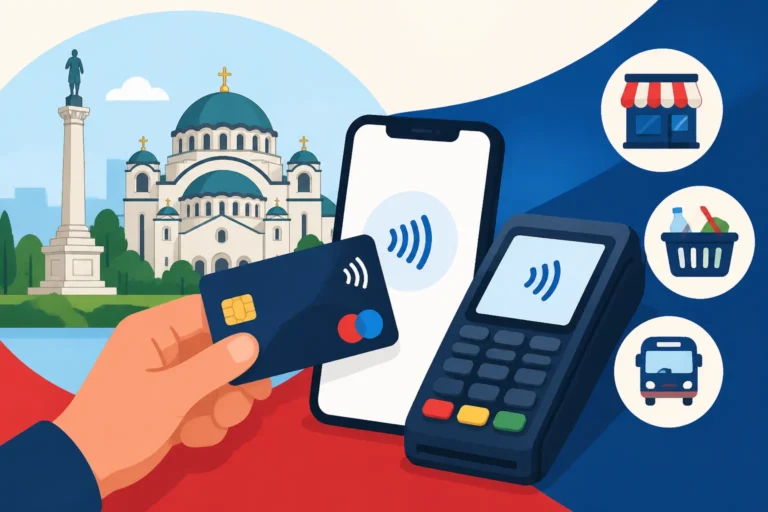
Local payment systems in Serbia and the Serbian Dinar dictate where cash or cards work in cities, markets, and small bakeries.
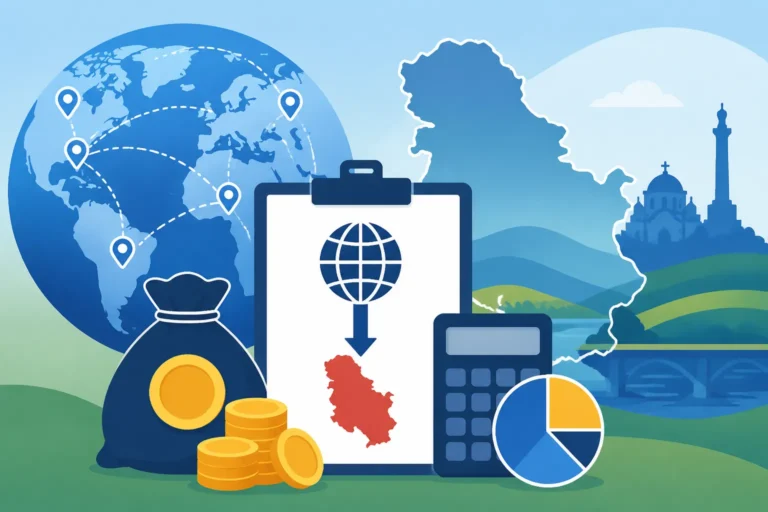
Serbian tax residency status and the 183-day rule determine how foreign income and worldwide earnings are taxed for expats.

Serbian tax residency rules and the 183 day test explain how expats report foreign and local income to the Poreska Uprava.
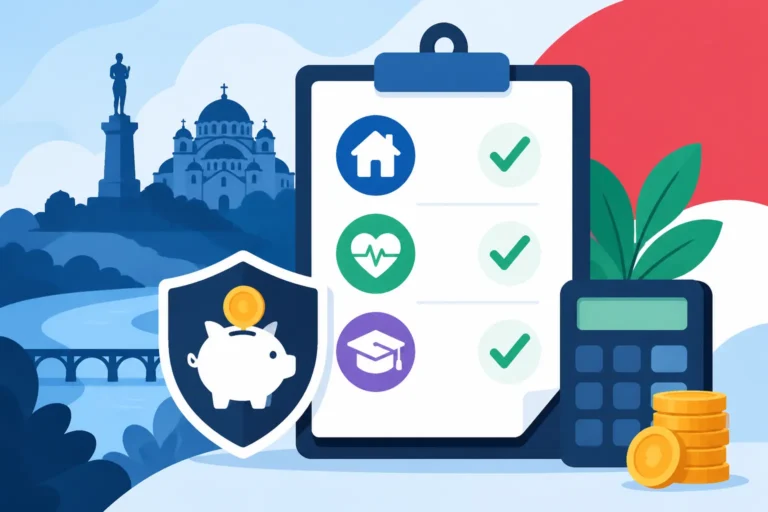
Serbian personal income tax deductions and reliefs help expats reduce their ten percent tax burden and social security costs.

Expat tax refunds from the Poreska Uprava in Serbia arise through personal income tax or social contribution overpayments.