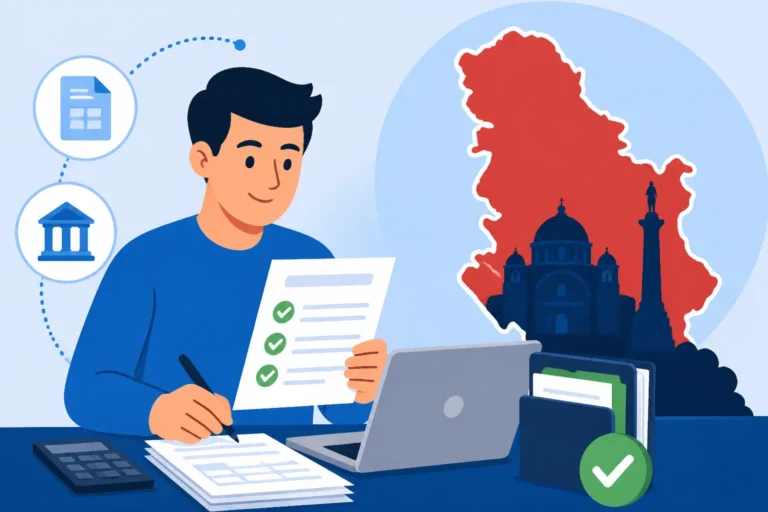
How to Open a Foreign Currency Account in Serbia
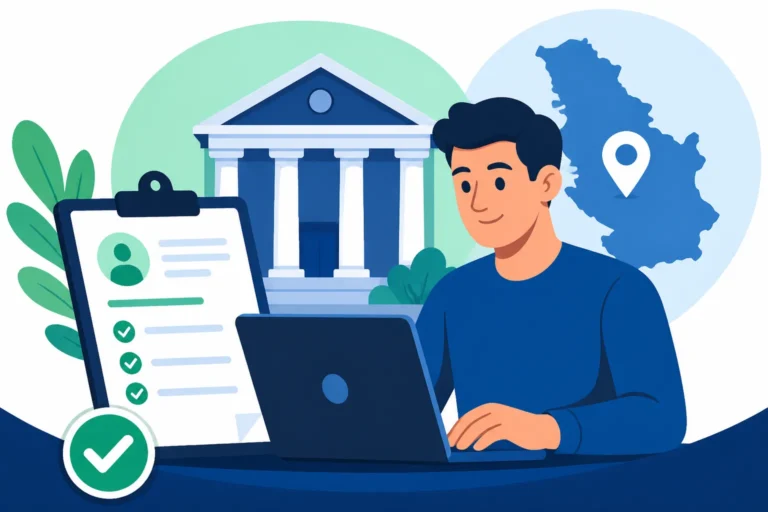
One of the first things that hits you when you move to Serbia, after the initial euphoria of a new adventure, is just how different banking can be. Suddenly, managing your money, especially if your income is from abroad, becomes a multi-currency puzzle, fraught with potential conversion losses and unexpected fees. This guide is here to unravel the complexities of opening and using a foreign currency account in Serbia, helping you navigate the financial system like a seasoned local, not a bewildered newcomer.
Why Expats Need Foreign Currency Accounts in Serbia
Living in Serbia means living in Serbian Dinars (RSD) for most daily transactions. However, if your income, savings, or major expenses are in Euros, US Dollars, or another strong currency, you’ll quickly find that exclusively using a Dinar account can feel like playing a constant game of financial roulette. For expats, having a dedicated foreign currency account isn't just a convenience; it's often a necessity to safeguard your finances and simplify your life.
Avoiding Exchange Rate Woes
Let’s be honest, nobody likes losing money to bad exchange rates. When you receive your salary in Euros or Dollars but only have a Dinar account, every transaction involves a conversion. Sometimes the bank's exchange rate is fair, sometimes it feels like a highway robbery. These small differences can really add up, especially if you're frequently converting larger sums. Imagine paying your rent, which might be quoted in Euros, but your bank automatically converts your incoming Euro funds to Dinars, only for you to convert them back to Euros (or their Dinar equivalent at another rate) to pay your landlord. It’s an infuriating loop that eats into your hard-earned cash. A foreign currency account allows you to hold your funds in the original currency, giving you control over when and how you convert them, letting you wait for a more favourable rate or simply bypass the double conversion entirely for Euro-denominated expenses.
Streamlining International Transactions
For many of us, our financial lives don't magically become 100% Serbian the moment we move here. We might be receiving a salary from an employer abroad, paying subscriptions in other currencies, or sending money back home. A foreign currency account makes these international transactions significantly smoother and often cheaper. Instead of a foreign transfer landing in your Dinar account and undergoing an immediate, potentially unfavourable conversion, it can land directly in its native currency. This is particularly useful for those who work remotely for foreign companies or have investments outside Serbia. Platforms like Wise are fantastic for international transfers, often offering better rates and lower fees than traditional banks, and being able to receive funds directly into a foreign currency account further optimises this process, avoiding yet another conversion step once the money hits Serbia. This is crucial if you want to avoid hidden fees when transferring money into and out of Serbia as an expat.
Preserving Value Against Dinar Fluctuations
While the Serbian Dinar has shown remarkable stability against the Euro in recent years, thanks to the National Bank of Serbia's interventions, it's still a local currency in a developing economy. Holding a significant portion of your savings or income in a stronger, more globally recognised currency like the Euro, US Dollar, or Swiss Franc can act as a financial buffer. This is not about predicting market crashes, but about prudent financial management. If you plan to eventually move funds out of Serbia, or if you simply prefer the security of holding your main assets in a currency you're more familiar with, a foreign currency account provides that stability. It means that while your Dinar spending money might fluctuate slightly, the core of your financial well-being remains anchored in a more stable currency.
Understanding Foreign Currency Account Options in Serbia
When you decide a foreign currency account is the way to go, you'll discover that Serbian banks are generally quite accommodating. Most major banks offer multi-currency options, understanding the diverse financial needs of both local businesses involved in international trade and, increasingly, the growing expat community.
Major Currencies Supported
The most commonly supported foreign currency in Serbian banks is, unsurprisingly, the Euro (EUR). Given Serbia's strong economic ties with the EU and the widespread use of Euros in transactions like rent and larger purchases, nearly every bank will offer a Euro account. Beyond the Euro, you'll typically find options for US Dollars (USD) and Swiss Francs (CHF). Some larger banks might also offer accounts in Great British Pounds (GBP) or Canadian Dollars (CAD), though these are less common. If you have income in a less common currency, you might need to check with individual banks or be prepared for an initial conversion into one of the major supported currencies upon receipt, even if it's held in a foreign currency account. It’s always best to clarify which specific currencies a bank supports for holding funds, not just receiving them.
Common Serbian Banks for Expats
Several banks in Serbia have become de facto choices for the expat community, largely due to their relatively more streamlined processes, English-speaking staff, and online banking capabilities.
- Banca Intesa: This is a very popular choice among expats. They are generally perceived as having good online banking, relatively modern services, and a willingness to work with foreigners. Many have had positive experiences opening multi-currency accounts here.
- Raiffeisen Bank: Another strong contender, Raiffeisen is part of an international group, which often means their systems and customer service are more aligned with what expats might expect from their home countries. They typically offer a good range of foreign currency options.
- OTP Banka: This Hungarian-owned bank has also gained a good reputation, particularly after acquiring some other local banks. They often have competitive fees and a reasonable digital presence. OTP Banka is another bank where many expats have found the process of opening various accounts, including foreign currency ones, to be quite manageable.
- UniCredit Bank: Similar to Raiffeisen, UniCredit is a major international player and often provides a comfortable banking experience for foreigners due to its global standards.
While these are common choices, it's worth noting that smaller local banks might also offer foreign currency accounts, but their English support and digital services might not be as robust. Always do your homework and consider visiting a few branches if you have the time, especially in Belgrade, to compare.
Types of Accounts: Savings vs. Current, Multi-Currency
Just like Dinar accounts, foreign currency accounts come in different flavours:
- Current Accounts (Tekući Račun): These are your day-to-day transaction accounts. They allow for deposits, withdrawals, transfers, and often come with a debit card linked to the foreign currency balance (e.g., a Euro debit card). This is ideal for receiving international payments and making payments in the same currency without conversion.
- Savings Accounts (Štedni Račun): If your primary goal is to hold foreign currency long-term and perhaps earn a small amount of interest, a savings account might be suitable. These usually have fewer transaction capabilities but are designed for holding funds. Interest rates on foreign currency savings accounts in Serbia are typically quite low, so don't expect to get rich this way, but it's an option for secure storage.
- Multi-Currency Accounts: Many banks now offer a single "multi-currency" account that can hold balances in several currencies simultaneously. This is fantastic for expats as it reduces the number of separate accounts you need to manage. When funds come in, they are directed to the appropriate currency "pocket" within the account, and you can often convert between these pockets via online banking.
When you're at the bank, make sure to clearly state your needs: whether you need a transactional account with a card, a simple holding account, or a flexible multi-currency option.
The Step-by-Step Process to Open a Foreign Currency Account
Opening a bank account in a new country can feel like navigating a bureaucratic labyrinth, and Serbia is no exception. However, with the right documents and a bit of patience, it’s entirely doable. The good news is that if you already have a Dinar account, adding a foreign currency component is usually much simpler.
Essential Documents You'll Need
This is where the infamous "paper chase" often begins. While specific requirements can vary slightly between banks and depend on your residency status, generally you’ll need the following:
- Valid Passport: Your primary form of identification. Make sure it’s current and has enough validity remaining.
- Serbian Residence Permit (Privremeni Boravak): This is absolutely crucial for foreigners looking to open most types of bank accounts beyond a very basic tourist one. Banks need to confirm your legal status in the country. This means you’ll likely need to have already gone through the process of getting your temporary residence (Boravak) in Serbia.
- White Card (Beli Karton): Your official address registration slip from the police. This proves your current address in Serbia.
- Proof of Income/Employment: Banks are required to conduct "Know Your Customer" (KYC) checks and often need to understand the source of your funds. This could be:
- An employment contract with a Serbian company.
- A certificate of registration for your Serbian business (e.g., if you're a pausal entrepreneur).
- An employment contract from a foreign company (if you're working remotely) – often, this needs to be translated into Serbian by a certified translator.
- Bank statements from your home country showing regular income.
- Proof of pension or other regular income.
- Tax ID Number (PIB): While not always strictly required for opening a basic account, having your Serbian Tax ID (Poreski Identifikacioni Broj or PIB) will streamline things, especially for tax reporting. If you don't have one, the bank might ask you to get it or provide guidance. You'll need this when you need to register with the Tax Administration (Poreska Uprava) in Serbia.
- Proof of Address: Sometimes, they might ask for an additional proof of address, like a utility bill (for electricity, internet, etc.) in your name, although your White Card usually suffices if your name is on the rental contract.
A word of caution: Requirements can sometimes feel arbitrary and may even differ from one branch to another of the same bank, or even from one customer service representative to another. My advice? Over-prepare. Bring more documents than you think you’ll need. If you have your original documents, bring certified Serbian translations as well.
Visiting the Bank Branch
Unlike many Western countries where online account opening is the norm, in Serbia, you almost always need to visit a physical branch. This is part of the robust KYC process.
- Choose Your Branch: Head to a branch of your chosen bank, preferably one in a major city like Belgrade or Novi Sad, as they are more likely to have English-speaking staff. Major branches in city centres are usually a safe bet.
- Take a Number (or Ask for Help): When you enter, look for a system to take a number for "opening an account" or "individual clients." If you’re unsure, approach someone at the information desk and politely ask if they speak English and can direct you.
- The Interview: Once your number is called, you'll sit down with a banking officer. This is where you clearly state your intention to open a devizni račun (foreign currency account), specifying the currency (e.g., evro račun for Euro account). They will review your documents, ask about the source of your funds, and explain the terms and conditions. Be prepared to answer questions about your financial activities and why you need a foreign currency account.
- Application Forms: You’ll be presented with a stack of forms to fill out. These are almost always in Serbian. If you don’t speak Serbian, this is where having an English-speaking officer or bringing a Serbian-speaking friend is invaluable. Don't be shy about asking for clarification on every section. You'll sign declarations about anti-money laundering and tax residency.
- Initial Deposit: Some banks may require a small initial deposit to activate the account. This can often be done in the desired foreign currency or by converting Dinars at the branch.
The entire process in the branch can take anywhere from 30 minutes to over an hour, depending on how busy they are and how many questions you have.
Navigating the Application Forms
The forms can be daunting. Expect multiple pages asking for personal details, contact information, tax residency information (important for avoiding double taxation if your home country has an agreement with Serbia), and declarations about the origin of your funds.
- Tax Residency: Pay close attention to the section about tax residency. This is critical for reporting obligations and for understanding How Serbia's Tax System Works: The Flat 10% Tax Explained (2027). If you’re a tax resident of another country, you might need to provide your Tax Identification Number (TIN) from that country as well. This is where services like Taxes for Expats can be incredibly helpful, ensuring you navigate the nuances correctly.
- Source of Funds: Banks in Serbia are very serious about anti-money laundering regulations. Be prepared to clearly explain and document the source of your income. For example, if you receive a salary from a foreign employer, your employment contract and recent payslips will be key. If you're a freelancer, your registration as an entrepreneur in Serbia might suffice, or they might ask for invoices or client contracts.
Don't rush through the forms. Read everything carefully, ask questions, and ensure all information is accurate. Any discrepancies could cause delays or issues later.
Key Considerations When Choosing a Serbian Bank
Once you’ve decided to open a foreign currency account, choosing which bank to go with involves more than just proximity to your apartment. Different banks offer different services, fee structures, and levels of expat-friendliness.
Fees and Charges
This is a big one. Serbian banks, like banks everywhere, charge fees. For foreign currency accounts, these can include:
- Monthly/Annual Maintenance Fees: Some accounts have a small recurring fee, while others might be free if you maintain a certain balance or have other products with the bank.
- International Transfer Fees: Fees for receiving money from abroad (inbound transfers) and sending money out (outbound transfers). These can be flat fees or a percentage of the amount transferred, often with a minimum and maximum. These are distinct from the exchange rate spread. Always ask for a clear breakdown.
- ATM Withdrawal Fees: If you plan to use a foreign currency debit card, understand if there are fees for withdrawing cash, especially from ATMs not belonging to your bank.
- Currency Conversion Fees: Even if you have a foreign currency account, if you use a card linked to it for a transaction in Dinars (or vice-versa), there will be a conversion, and thus, a fee or a less favourable exchange rate applied by the bank.
It’s advisable to get a clear, written schedule of fees before committing. Compare these across a few banks. What might seem like a small fee can quickly add up over a year, especially for frequent international transactions.
Online Banking and Mobile Apps
For many expats, online banking and a robust mobile app are non-negotiable. We're used to managing everything from our phones. In Serbia, online banking has come a long way, but there can still be differences in functionality and user experience compared to what you might be used to.
- Functionality: Can you view all your accounts (Dinar and foreign currency) in one place? Can you make international transfers online? Is it easy to convert money between your own accounts? Can you pay bills?
- User Interface: Is the app or web portal intuitive? Is it available in English? Some banks offer English interfaces, which is a huge relief.
- Security Features: What kind of login and transaction authentication do they use? Two-factor authentication via SMS or a dedicated app is standard.
Banca Intesa and Raiffeisen Bank often receive good reviews from expats for their digital services, but it's worth checking out demos or asking to see the interfaces if possible. Having a good online banking system will make managing your finances in Serbia, including how to pay your utility bills in Serbia, much smoother.
Customer Service and English Support
Imagine having a pressing financial query but being unable to communicate it effectively. This is a common expat frustration. Strong English support in a bank is not just a luxury; it’s a necessity.
- Branch Staff: As mentioned, major city branches are more likely to have English speakers. When you go to open your account, gauge the level of English proficiency. This will be your primary point of contact for complex issues.
- Call Centre: Check if their call centre offers English support. This is vital for quick queries or if you're stuck somewhere without easy access to a branch.
- Dedicated Expat Desks: Some larger banks, particularly in Belgrade, are starting to offer dedicated services or staff for international clients. This can be a huge advantage.
Don't hesitate to test the waters. Call their customer service line or visit a branch specifically to ask questions in English and see how well they handle it. A bank that invests in multilingual staff is a bank that values its international clientele.
Here's a quick comparison table of some common Serbian banks for expats:
| Bank Name | Primary Foreign Currency Support (EUR, USD, CHF) | Expat Friendliness (English Support) | Online Banking / Mobile App | Typical Fees (Indicative) | Notes for Expats |
|---|---|---|---|---|---|
| Banca Intesa | Excellent | High | Very Good | Moderate maintenance/transfer | Popular, modern app, good for transfers. |
| Raiffeisen Bank | Excellent | High | Good | Moderate maintenance/transfer | Global presence, reliable, good customer service. |
| OTP Banka | Good | Good | Good | Moderate maintenance/transfer | Growing presence, competitive, decent digital. |
| UniCredit Bank | Excellent | Good | Good | Moderate maintenance/transfer | Another strong international option, good for business. |
| Erste Bank | Good | Moderate to Good | Good | Often lower for basic accounts | Strong local network, improving digital. |
Note: Fees are indicative and subject to change. Always verify current fees directly with the bank.
Managing Your Foreign Currency Account & Transfers
Once you’ve successfully opened your foreign currency account, the next step is to understand how to actually use it effectively. This involves everything from getting money into it to making payments and being aware of local regulations.
Funding Your Account from Abroad
This is often the primary reason expats open these accounts: to receive funds from their home country.
- International Wire Transfers (SWIFT): This is the most traditional method. You’ll need your bank’s SWIFT/BIC code, your account number (IBAN), your full name, and possibly your address. The sender will initiate the transfer from their bank. Be prepared for bank fees on both the sending and receiving ends, and potentially intermediary bank fees, which can eat into your funds. For example, if you're receiving a salary from your overseas employer, they'll need these details.
- Third-Party Transfer Services: This is where services like Wise truly shine. They offer a more transparent and often cheaper way to transfer money internationally, usually with better exchange rates and lower fees compared to traditional banks. You can often send money directly into your Serbian foreign currency account, which means fewer conversions and less lost money. It’s highly recommended to compare Wise against your bank’s transfer fees.
- Cash Deposits: While less common for large sums, you can deposit foreign currency cash (like Euros) directly into your account at the bank counter. This is convenient if you arrive with cash or receive it locally.
Always double-check the recipient details before initiating any transfer to avoid delays or lost funds. Also, be aware that large incoming transfers might trigger additional questions from your bank as part of their anti-money laundering protocols, especially if they are irregular or from a new source.
Making Payments and Withdrawals
Having funds in your foreign currency account is great, but how do you actually use them?
- Debit Cards: Many foreign currency accounts, especially Euro accounts, come with a linked debit card. This card can be used for purchases directly in Euros (if the merchant accepts EUR, which is rare outside of specific tourist-oriented businesses or rent payments) or for Dinar purchases. If used for Dinar purchases, the bank will perform a conversion from your Euro balance to Dinars at their daily exchange rate. This can sometimes be less favorable than exchanging cash at an exchange office, so always be mindful.
- ATM Access: You can withdraw cash from ATMs. If you withdraw Dinars from a Euro-denominated card, it will again involve a conversion. Some banks might have ATMs that dispense Euros, but these are less common and usually found in major cities. Always check for withdrawal fees.
- Online Payments: If your online banking is robust, you can make international transfers from your foreign currency account directly. This is useful for paying overseas bills or subscriptions.
- Paying Rent and Other Euro-Denominated Expenses: Many landlords, especially for newer apartments in Belgrade, will quote rent in Euros. A Euro account makes paying this rent straightforward via bank transfer, avoiding any unnecessary conversions.
Understanding Transfer Limits and Regulations
Serbia has regulations regarding foreign currency, particularly when it comes to large sums and declarations.
- Cash Import/Export: There are limits to how much cash you can bring into or out of Serbia without declaring it. Generally, sums over €10,000 (or equivalent) must be declared at customs. Be sure to obtain a customs declaration form upon entry if you are bringing in a significant amount, as you'll need this if you ever wish to take a similar amount out.
- Tax Implications: While holding foreign currency is perfectly legal, the source of that currency and any gains made from exchange rate differences could have tax implications. For instance, if you receive a salary from abroad, it might still be subject to Serbian income tax, depending on your tax residency status. This is where understanding your tax residency in Serbia is paramount, and why professional advice from a service like Taxes for Expats is often invaluable to ensure compliance with the Poreska Uprava. If you’re self-employed or a freelancer, there are specific rules for How to Register for the Pausal Tax Regime as a Freelancer in Serbia, which also govern how your foreign earnings are taxed.
- Reporting Obligations: Banks are required to report certain transactions to the National Bank of Serbia or other financial authorities, especially large international transfers, as part of anti-money laundering efforts. Don't be surprised if you're occasionally asked for additional documentation regarding the source or purpose of funds.
Common Challenges and How to Overcome Them
Living in Serbia is an adventure, but sometimes the adventure involves navigating administrative quirks. Opening and managing a foreign currency account can occasionally present its unique set of challenges.
Bureaucracy and Language Barriers
Ah, bureaucracy, our old friend. Even with the best intentions, the Serbian administrative process can sometimes feel like a puzzle missing a few key pieces. When it comes to banking, this can manifest as:
- Inconsistent Information: You might hear slightly different requirements from different bank branches or even different tellers within the same branch. This isn't usually malicious; it's often a result of varying interpretations or updated policies not yet fully disseminated.
- Language Hurdles: While many staff in major city banks speak English, this isn't guaranteed, especially in smaller towns or for specific, more complex inquiries. Forms are almost always in Serbian.
- Lengthy Processes: Things can take longer than you'd expect. A simple request might require multiple signatures or a return visit.
How to Overcome:
- Patience is Key: Seriously, take a deep breath. Rushing or getting frustrated rarely helps.
- Bring a Serbian Speaker: If you're not confident in your Serbian, bring a friend, colleague, or even hire a translator for your initial bank visit. This can save you immense time and stress.
- Get Everything in Writing: If you're given specific instructions or promises, ask for them to be noted or confirmed in writing (even an email is better than nothing).
- Go to Larger Branches: In Belgrade, branches like the one in Knez Mihailova or Studentski Trg are generally more accustomed to foreign clients.
Documentation Hurdles and Requirements
The demand for documents can sometimes feel never-ending. You've provided your passport, residence permit, and proof of income, and then they ask for a utility bill from your home country, translated and notarized, just for good measure!
- Certified Translations: Any foreign documents (like an overseas employment contract or a power of attorney) will likely need to be translated into Serbian by a certified court interpreter (sudski tumač). This adds time and cost.
- Proof of Funds Origin: This is a big one. Banks want to know where your money is coming from to combat money laundering. Have clear documentation for the source of any significant income or transfers.
- Dynamic Requirements: Occasionally, due to changes in regulations or internal bank policies, a document that was sufficient last year might not be this year.
How to Overcome:
- Scan and Digitalise Everything: Keep digital copies of all your documents, including your passport, residence permit, White Card, and any official correspondence. This makes it easier to share or print when needed.
- Proactive Translations: If you know you'll need a document, get it translated and certified well in advance. Find a reliable sudski tumač in Belgrade or Novi Sad.
- Ask for a Full List: Before your visit, call the bank and ask for an exhaustive list of all documents required for opening a foreign currency account as a foreigner. Even then, bring extras!
Differences in Banking Culture
The banking culture in Serbia can feel quite different from highly digitalized Western countries.
- More Paper-Based: You might find more reliance on physical forms, stamps, and signatures. Don't expect everything to be digital.
- Emphasis on Relationships: Sometimes, having a good relationship with a specific banking officer can make things smoother. If you find someone helpful and English-speaking, try to stick with them if possible.
- Conservative Approach: Serbian banks can be a bit more conservative in their approach to new products or flexible solutions, especially for non-residents.
How to Overcome:
- Adjust Expectations: Understand that things might not be as instant or streamlined as you're used to.
- Learn Basic Serbian Banking Terms: Even a few key phrases can go a long way in showing respect and aiding communication.
- Embrace the Process: See it as part of the cultural experience. You’re becoming more resilient and resourceful!
Opening a foreign currency account in Serbia is a rite of passage for many expats. It might take a little effort and a few rounds with bureaucracy, but the financial peace of mind and convenience it offers are well worth the initial hurdles. Take it one step at a time, be prepared, and you'll soon be managing your finances like a true local.
Disclaimer
The information provided in this guide is for general informational purposes only and does not constitute financial, legal, or tax advice. While we strive to keep the information up-to-date and accurate, regulations and banking practices in Serbia can change frequently. Expats should always consult with a qualified financial advisor, tax professional, or legal expert in Serbia for advice tailored to their specific situation. We are not responsible for any actions taken based on the information presented here.