Can I Open a Joint Bank Account with My Spouse in Serbia?
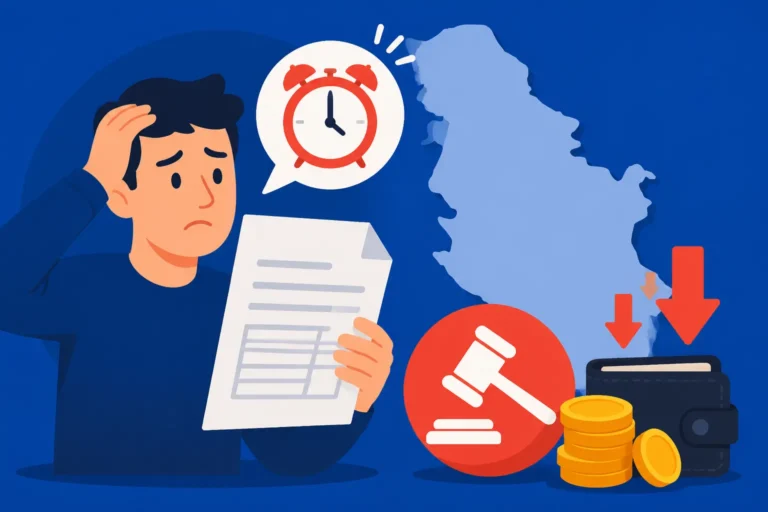
Trying to manage household finances in a new country is already a headache, let alone trying to figure out if you and your spouse can pool your funds into a single, convenient joint bank account. Many expat couples arrive in Serbia assuming they can simply walk into a bank and set up a shared account like they might have done back home, only to be met with blank stares or complicated explanations. This guide will walk you through the nuances of opening a joint bank account in Serbia as an expat, exploring the challenges, the workarounds, and all the essential information you need to keep your shared finances running smoothly in your new Serbian home.
The Reality of Joint Bank Accounts for Expats in Serbia
Let's be blunt: opening a joint bank account in Serbia as a foreign couple is not always as straightforward as you might hope. It's one of those things that can cause a fair bit of head-scratching and frustration, mainly because the banking system here operates a little differently from what many of us are used to in Western countries. While joint accounts do exist for Serbian citizens, the rules and willingness of banks to offer them to foreigners, especially non-EU citizens, can vary wildly.
Why Joint Accounts Can Be Tricky Here
The primary reason for the complexity often boils down to administrative hurdles and a general banking culture that, in many cases, hasn't fully adapted to the influx of international residents. Banks in Serbia, like financial institutions anywhere, are beholden to regulations, particularly those concerning anti-money laundering (AML) and know-your-customer (KYC) policies. When you have two foreign individuals, sometimes from different nationalities, trying to open a single account, the compliance checks double, and the perceived risk for the bank can increase.
What this often means in practice is that you might approach one bank and be told it's impossible, only to find another bank, or even a different branch of the same bank, with a more accommodating policy or a more experienced English-speaking staff member who knows how to navigate the system for expats. It’s a bit of a lottery, and patience truly is a virtue here. Don't be surprised if the initial answer is "ne" (no) and you have to do a bit of legwork to find a "da" (yes).
The Requirements for Both Spouses
The absolute foundational requirement for both spouses to even consider a joint account is a valid temporary residence permit, or boravak, in Serbia. Without this, your chances are practically zero. Banks need to see that you both have a legitimate, long-term connection to the country. This means if one of you is still on a tourist visa or in the process of applying for residence, you'll need to sort that out first. The process of obtaining your temporary residence can be lengthy, so make sure you're both legally settled before you even think about banking together. You can find more detailed information on How to Get Temporary Residence (Boravak) in Serbia (2027) to ensure both you and your spouse are properly documented.
Beyond the residence permit, you'll both typically need your original passports, your "white card" (prijava boravka), which is your official address registration with the police, and potentially a marriage certificate. While a marriage certificate might seem obvious for a joint account, some banks might specifically request it, especially if your last names are different or if they want additional proof of your relationship status. If your marriage certificate isn't in Serbian, it will almost certainly need to be officially translated by a sworn court translator (sudski tumač) and apostilled or legalized, depending on the country it was issued in and Serbia’s agreements with that country. This is a common requirement for any official document from abroad when dealing with Serbian bureaucracy.
Common Hurdles and Bank Preferences
You'll quickly learn that "bank preferences" can really mean "which individual bank officer you happen to speak with on that day." However, generally speaking, larger banks with more international exposure tend to be more expat-friendly. In Belgrade, for example, banks like OTP Bank, UniCredit Bank, and Raiffeisen Bank often have more experience dealing with foreign clients and may be more open to discussing joint account options. These banks sometimes have dedicated expat departments or at least staff who are more accustomed to non-standard requests.
However, even with these banks, the path isn't always smooth. You might encounter situations where the bank is only willing to open two separate individual accounts, arguing it's simpler for their system or compliance. If a joint account proves too difficult or time-consuming to set up, don't despair. Many expat couples in Serbia resort to simply having two individual accounts and then smartly managing their money through transfers and shared payment methods. Services like Wise can be incredibly helpful in this scenario, allowing for easy, low-cost transfers between accounts, both domestic and international, making the "two individual accounts" option much more manageable for daily shared expenses. When considering opening any bank account as a foreigner, it's wise to review general guidelines such as The Expat Guide to Opening a Bank Account in Serbia to be fully prepared.
Step-by-Step Guide to Attempting a Joint Account in Serbia
Even if it’s a bit of a bureaucratic marathon, trying to open a joint bank account in Serbia is absolutely worth a shot if it's your preferred way to manage finances. Being well-prepared and knowing what to expect can significantly increase your chances of success.
Gathering Your Documents (Both of You!)
This is where the real legwork begins. Remember, any document required for one spouse will likely be required for the other. It’s like a doubling of the administrative burden, so organize everything meticulously.
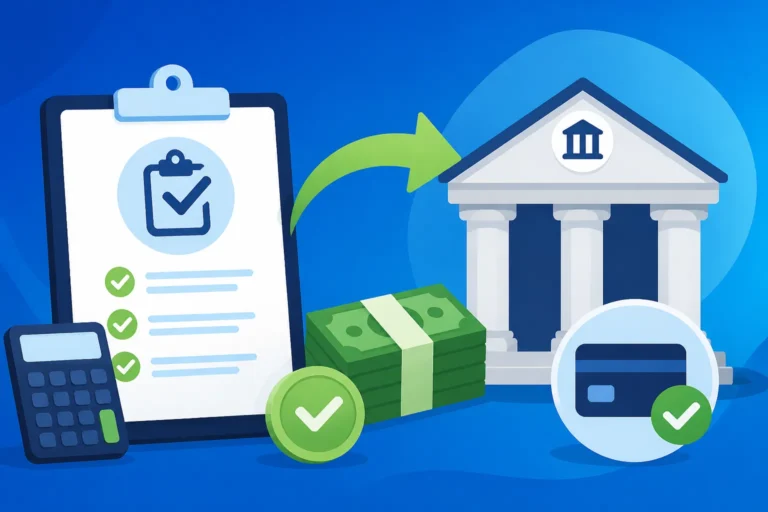
Here’s a checklist of documents you’ll probably need for both individuals:
- Valid Passports: Your current, unexpired passports are essential. These are your primary form of identification.
- Temporary Residence Permits (Boravak): As mentioned, these are non-negotiable. Ensure they are valid for a sufficient period.
- White Cards (Prijava Boravka): This document confirms your registered address in Serbia. It's often required alongside your residence permit.
- Marriage Certificate: The original, along with an official Serbian translation from a sworn court translator. Depending on your country of origin, it might also need an apostille or legalization stamp from your home country’s authorities. Don't skip this step; a bank will rarely accept a foreign document without proper certification.
- Proof of Income: Banks need to assess your financial stability. This could include:
- Employment Contract (Ugovor o radu): If you're employed by a Serbian company.
- Recent Pay Stubs: Usually for the last 3-6 months.
- Bank Statements: From your current Serbian or foreign accounts, showing consistent income.
- Business Registration Documents: If either of you is self-employed as an entrepreneur (preduzetnik). For more on this, you might find How to Register as an Entrepreneur (Preduzetnik) in Serbia useful.
- Proof of Address: A recent utility bill (electricity, water, internet) in either of your names, or your rental contract. This confirms your physical address.
- Tax Identification Number (PIB): If you are working or registered as a resident, you will likely have a Serbian PIB. Banks will require this. If you don't have one, you'll need to get one from the Tax Administration (Poreska Uprava). Learn more about How to Get a Tax ID (PIB) as a Foreigner in Serbia.
Make sure you have both original documents and several photocopies of everything. It's a good habit to keep all your important administrative documents in a well-organized folder while living in Serbia, as you'll be asked for them repeatedly.
Choosing a Bank and Making the Appointment
As discussed, while there's no single "best" bank that guarantees a joint account for expats, your best bet is to start with the larger, more established international banks. Think about banks that have a significant presence in Belgrade and other major cities like Novi Sad or Niš. These institutions often have better infrastructure and more experience with international clients.
Before you just show up, it's highly advisable to:
- Research Online: Check the websites of major banks (e.g., OTP Bank, UniCredit Bank, Raiffeisen Bank, Banca Intesa) for information on accounts for non-residents or foreigners. While specific joint account info for expats might be scarce, you can at least gauge their general expat-friendliness.
- Call Ahead: Try to call the specific branch you plan to visit and ask if they facilitate joint accounts for foreign married couples. Crucially, ask if they have an English-speaking representative available on the day you plan to visit. Language barriers are a significant hurdle, and having someone who understands your needs fully is invaluable.
- Schedule an Appointment: Don't just walk in, especially for something as complex as this. An appointment ensures you get dedicated time with a bank officer who can properly review your situation and explain the process.
Be prepared for the possibility that the first bank, or even the first few, might not be able to help you. It's a process of elimination sometimes, and a little persistence goes a long way.
The Application Process and What to Expect
Once you've secured an appointment, approach it with patience and a calm demeanor. You'll sit down with a bank officer, who will review your documents. This is where your meticulously organized folder of originals and copies will shine.
Expect them to ask questions about:
- Your Relationship: While your marriage certificate proves you're married, they might ask about your reasons for wanting a joint account, how you manage finances generally, etc.
- Your Financial Activity: Where your income comes from, how you plan to use the account, and your projected transaction volume. This feeds into their AML/KYC checks.
- Your Residence Status: They'll scrutinize your boravak and white card.
- Your Tax Status: Both in Serbia and potentially in your home country. This is where organizations like Taxes for Expats can be invaluable, offering guidance on navigating complex international tax situations, especially for couples with shared financial interests across borders.
You will fill out application forms, which will likely be in Serbian, so having an English-speaking bank officer or even a trusted Serbian friend to help translate is crucial. Be prepared for multiple visits. It’s not uncommon for banks to ask for additional documents after an initial review, or for you to need to return to sign papers once everything is processed. The bureaucratic wheels in Serbia often turn slowly, but they do turn.
Alternatives to a Traditional Joint Account
If, after all your efforts, a traditional joint bank account remains elusive, don't worry! Many expat couples in Serbia successfully manage their shared finances using alternative methods that are often simpler to set up and equally effective.
Two Individual Accounts with Shared Access/Transfers
This is by far the most common and often the most practical solution for expat couples in Serbia. Each spouse opens their own individual bank account. For example, you might each open an account at UniCredit Bank or Raiffeisen Bank. Then, you simply manage your shared expenses by transferring funds between these accounts.
Here’s how it typically works:
- Designated Shared Account: One spouse's account (or a newly opened, separate individual account) can be designated as the "household account." This is where a portion of both incomes is regularly transferred to cover rent, utilities, groceries, and other joint expenses.
- Easy Internal Transfers: Banks in Serbia generally have efficient internal transfer systems, often via mobile banking apps. You can set up recurring transfers from your personal accounts to the shared expense account.
- Managing International Funds: If you receive income from abroad or need to transfer money into Serbia from international accounts, using services like Wise can streamline this. You can transfer funds directly to either individual Serbian account quickly and with competitive exchange rates. This avoids the hassle of dealing with traditional wire transfers that can be slow and expensive. Wise makes it easy for both partners to manage funds coming in from different sources.
The benefits of this approach are numerous:
- Simplicity: Opening individual accounts for foreigners in Serbia is generally much easier than attempting a joint one. You can read up on How to Open a Bank Account at a Serbian Bank as a Foreigner for detailed steps.
- Clearer Ownership: Each person has clear ownership and control over their primary funds.
- Less Bureaucracy: Fewer documents are required, and the setup process is faster.
The main drawback is that it requires a bit more coordination between partners to ensure funds are in the right place at the right time. However, with modern banking apps, this is usually a minor inconvenience.
Authorised User on an Individual Account
Another common workaround is for one spouse to open an individual bank account and then authorize the other spouse as an additional cardholder or signatory for specific transactions. This means the primary account holder maintains full legal ownership of the account, but the authorized user can access funds, make purchases with a separate card, or even perform certain banking operations.
Pros:
- Easier Setup: Only one person goes through the full account opening process.
- Convenience: The authorized user has access to funds for daily spending without needing a separate account or constant transfers.
Cons:
- Limited Control: The authorized user typically doesn't have the same level of legal ownership or control as the primary account holder. For example, they might not be able to close the account, apply for loans, or make certain changes without the primary holder's consent.
- Legal Implications: In the event of a dispute, divorce, or death, the funds legally belong to the primary account holder or their estate, which can complicate matters.
- Bank Discretion: Not all Serbian banks readily offer this option to foreign couples, or they might impose restrictions on what the authorized user can do. It's best to inquire specifically about this when opening the primary account.
This option works well for couples where one partner is the primary earner or manager of household finances, and the other needs convenient access to funds for daily life.
Digital Banking Solutions for Expats
While not a direct replacement for a Serbian bank account, many expats use international digital banking solutions to manage their global finances, which can then integrate with their individual Serbian accounts. Platforms like Wise (formerly TransferWise) offer multi-currency accounts that allow you to hold, send, and receive money in various currencies, including Serbian Dinars (RSD) and Euros.
Here’s how they can help:
- International Transfers: As mentioned, Wise is excellent for transferring money into and out of Serbia. If you have income coming from abroad, it’s a cost-effective way to get it into your Serbian individual accounts.
- Currency Exchange: You can hold multiple currencies and exchange them at mid-market rates, which is often much better than traditional banks. This is particularly useful if you or your spouse receive income in a foreign currency.
- Shared Management (Indirectly): While Wise itself doesn't offer joint accounts in the traditional sense, a couple can each have their own Wise account and easily send money to each other, or one can manage the primary incoming international funds and then distribute them to Serbian individual accounts.
Using a combination of individual Serbian bank accounts and a robust international digital banking solution can give you a lot of flexibility and control over your shared finances, often with less bureaucratic hassle than trying to force a traditional joint account. For more information on moving money around, check out How to Transfer Money Into and Out of Serbia as an Expat.
Important Financial Considerations for Couples in Serbia
Navigating finances as a couple in any new country requires careful thought, but in Serbia, there are specific local nuances, particularly around taxes and money management, that you absolutely need to be aware of. Even if you don't have a formal joint account, how you manage your shared income and expenses will have implications.
Understanding Tax Implications for Shared Finances
Serbia operates a flat 10% personal income tax rate, which sounds simple enough on the surface. However, for expat couples, especially those with diverse income streams (e.g., one employed locally, the other freelancing for a foreign company, or one with passive income from abroad), the situation can quickly become complex.
Even with separate individual accounts, the way you distribute and spend shared funds can have tax implications. For instance, if one spouse is solely responsible for receiving all income into their account and then transferring it to the other for expenses, it might, in very specific and rare scenarios, raise questions if not properly documented. More commonly, you need to understand how each individual's income is taxed. For example, if one spouse is employed and contributes to social security, while the other is a freelancer under the paušal (lump-sum) tax regime, their financial obligations are very different.
This is precisely where specialized tax advice becomes crucial. Services like Taxes for Expats are designed to help international couples navigate these intricacies, ensuring both spouses are compliant with Serbian tax laws and their home country's regulations. They can advise on income splitting, reporting foreign income, and understanding your collective tax burden. It's highly recommended to consult a tax professional familiar with expat situations to avoid any unwelcome surprises down the line. To get a better grasp of the basics, you can start by reading Understanding the Flat 10% Personal Income Tax in Serbia.
Managing International Transfers and Shared Expenses
Moving money into Serbia and then effectively distributing it for shared expenses is a key part of financial management for expat couples. Whether it's your salary from an overseas employer, funds from investments, or simply savings you're bringing into the country, you need a reliable and cost-effective method.
Traditional bank wire transfers, while available, can be slow, involve multiple intermediary banks, and often come with hefty fees and less favorable exchange rates. This is where modern fintech solutions truly shine. Platforms like Wise (which we've mentioned before) are incredibly popular among expats because they offer:
- Faster Transfers: Funds often arrive within hours or a day, not days.
- Lower Fees: Significantly cheaper than most traditional banks.
- Better Exchange Rates: They typically use the mid-market exchange rate, minimizing the amount lost in currency conversion.
For shared expenses, having two individual accounts where money can be easily transferred between them, perhaps with one account acting as a "hub" for bill payments, often works seamlessly. Both spouses can contribute to this central account, or one can manage the primary international influx via Wise and then distribute funds as needed. This flexibility ensures that regardless of where your money originates, it can be efficiently channeled to cover your life in Serbia. You'll want to dive deeper into How to Transfer Money Into and Out of Serbia as an Expat to optimize this process.
Legal and Practical Advice for Expats
Beyond the banking mechanics, couples should have open discussions and clear understandings about their financial responsibilities and how they will manage money, especially if a formal joint account isn't possible.
Here are some practical tips:
- Financial Agreement: Even if informal, agree on how household bills will be split, who is responsible for which payments, and how savings will be managed. This clarity can prevent misunderstandings later.
- Documentation is King: Keep meticulous records of all shared expenses, transfers, and income, especially if you're mixing funds from different sources or if one spouse is self-employed. This is vital not just for personal budgeting but also for potential tax queries. If one of you is navigating self-employment, you should look into How to Register as an Entrepreneur (Preduzetnik) in Serbia for foundational knowledge.
- Power of Attorney: In some cases, couples might consider a limited power of attorney for banking matters, allowing one spouse to act on behalf of the other for specific transactions or account inquiries. This is a significant legal step and should only be undertaken after consulting with a legal professional.
- Review Regularly: Your financial situation in a new country can change. Regularly review your income, expenses, and banking arrangements to ensure they still meet your needs and are compliant with any evolving regulations. Understanding the overall Understanding the Cost and Timeline of the Serbia Residence Process can also give you context on the financial commitments you're making in the country.
By being proactive, understanding the local context, and leveraging available tools and professional advice, expat couples can navigate their shared finances in Serbia effectively, even without the traditional joint bank account they might have envisioned.
Joint Account vs. Two Individual Accounts in Serbia: A Comparison
To help you decide the best approach for your shared finances in Serbia, here's a quick comparison of attempting a joint account versus the more common strategy of utilizing two individual accounts.
| Feature | Joint Account (If Possible) | Two Individual Accounts |
|---|---|---|
| Ease of Setup | Difficult, often requires persistence and specific bank/branch | Relatively straightforward for each individual |
| Required Documents | Extensive for BOTH spouses, including marriage certificate | Standard for each individual (passport, boravak, etc.) |
| Legal Ownership | Shared ownership and equal access | Separate legal ownership, though funds can be shared |
| Primary Advantage | Single view of all shared funds, shared responsibility | Simpler bureaucracy, clearer individual financial lines |
| Primary Disadvantage | High administrative hurdle, not widely offered to expats | Requires more coordination, no single "shared" legal entity |
| International Funds | Still relies on external transfers for incoming foreign money | Easily integrates with services like Wise for individual inflows |
| Tax Implications | Can be complex to attribute income/expenses for tax reporting | Each spouse reports their own income, but shared expenses need clear tracking |
| Flexibility | Limited to the bank's offering | High flexibility, allows for different banks/services |
| Common Use Case | Couples who prioritize full shared legal ownership of funds | Most expat couples seeking practical, easy-to-manage shared finances |
Disclaimer
The information provided in this guide is for general informational purposes only and does not constitute financial, legal, or tax advice. While we strive to keep the information up-to-date and accurate, laws and banking policies in Serbia can change frequently. It is highly recommended to consult with a qualified financial advisor, legal professional, or tax expert specializing in expat affairs for advice tailored to your specific circumstances before making any financial decisions. We do not endorse any specific bank or service, and users should conduct their own research to determine the best options for their individual needs.