What Documents Do I Need to Open a Bank Account in Serbia?
Ah, the Serbian bank account! If you've just landed in Serbia, full of dreams and ready to settle in, you'll soon discover that one of the first bureaucratic hurdles you'll face is simply getting a place to put your hard-earned dinars (and maybe some euros). It can feel like an endless maze of papers, signatures, and seemingly random requests, leaving you wondering if they're trying to build a new national archive with your personal details. But don't despair, because this guide is here to walk you through exactly which documents you'll need to finally get that Serbian bank account open, so you can stop carrying around wads of cash like it's the 90s.
The Initial Hurdle: Why Banks Ask for So Much
Let's be honest, opening a bank account anywhere can be a bit of a pain, but as an expat in a new country like Serbia, it often feels like you're starting from scratch with extra layers of scrutiny. It’s not just you; it's a systemic thing.
Understanding Serbian Banking Regulations
Serbian banks operate under strict regulations, much like their counterparts in the EU and elsewhere. These rules are primarily designed to combat money laundering and terrorist financing, often referred to as "Know Your Customer" (KYC) and Anti-Money Laundering (AML) policies. This means they need to thoroughly verify who you are, where your money comes from, and what you intend to use the account for. For a local, much of this information is already readily available through national databases or common identity documents. For us foreigners, however, it means a much deeper dive into our personal and financial history.
Imagine trying to explain your entire financial life story, in detail, to someone whose first language isn't yours, all while they meticulously scrutinize every document you present. It can be exhausting! They're not trying to be difficult, even if it feels that way. They're just following protocol, and for non-citizens, that protocol is necessarily more stringent. They need to mitigate risks, and unfortunately, being a foreigner often triggers additional flags in their system. This is why you'll often be asked for documents that might seem superfluous if you're used to a simpler banking experience back home.
The Local vs. Expat Experience
The difference between a local Serbian citizen opening an account and an expat doing the same is night and day. A local might just need an ID card and perhaps proof of employment. They're already in the system, their address is verified, and their tax obligations are clear. For us, every single piece of information needs to be independently verified.
For instance, when you apply for a How to Get Temporary Residence (Boravak) in Serbia (2027), you go through a rigorous check. The bank essentially needs to replicate parts of that process to ensure you’re a legitimate resident with legitimate financial needs. This can be frustrating, especially when you feel like you’ve already proven your identity and legitimacy to multiple government bodies. They want to see where you live, where your money comes from, and they'll want to be absolutely sure you're not planning anything dodgy. So, prepare for the added scrutiny and try to approach it with a deep breath and a patient smile. It's just part of the expat journey here.
The Essential Documents: Your Serbian Bank Account Checklist
Alright, let's get down to brass tacks. You’ve braced yourself for the bureaucratic dance, now what exactly do you need to bring to the bank? Think of this as your battle plan.
Core Identification Documents
These are the absolute non-negotiables. You cannot walk into a Serbian bank and expect to open an account without these in hand.
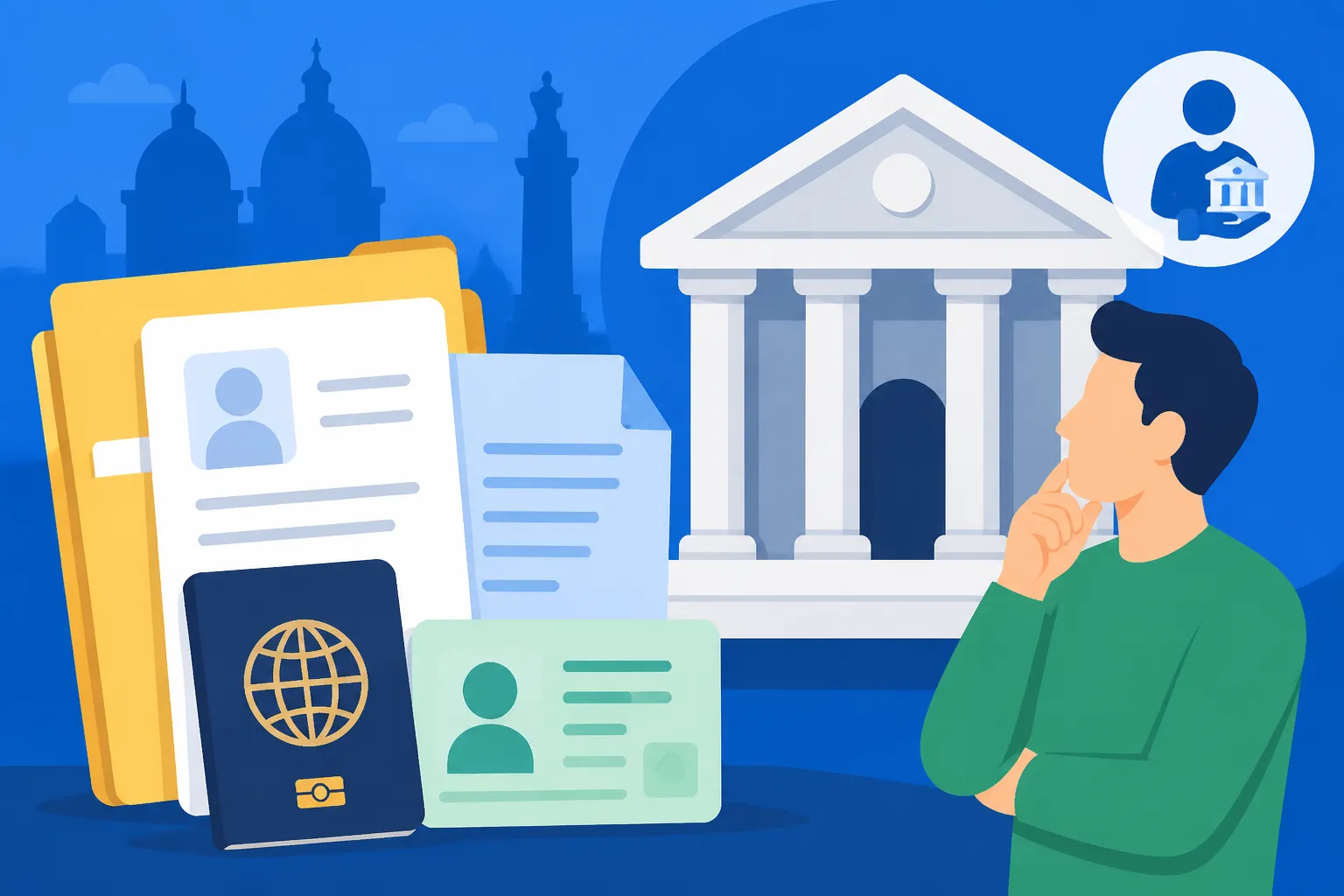
- Your Passport: This is your primary form of identification. Bring the original, not just a copy. The bank will often make their own copies and might even scan it. Make sure it’s valid for a significant period.
- Serbian Temporary Residence Permit (Boravak) or Permanent Residence Card (Stalni Boravak): This is the single most critical document for an expat. Without it, most Serbian banks simply won't open an account for you, as it establishes your legal right to reside in the country. It’s the proof that you’re not just passing through. If you're still in the process of getting yours, you might find it difficult to proceed. It's worth understanding How to Get Your Documents Apostilled for Serbia Immigration if any of your other home country documents might need official verification.
- Address Registration (Beli Karton / Prijava Boravka): This is the little white slip of paper you get from the police station (or your landlord registers for you) that proves your residential address in Serbia. It’s crucial for proving your local ties. Make sure it's current. If you're wondering about this, check out How to Register Your Address (Prijava) with the Police in Serbia.
- Translations and Apostilles: Depending on the bank and the origin of your documents, some may require official Serbian translations by a sworn court translator. For certain documents, especially those related to marital status or business ownership from your home country, an Apostille stamp (international certification) might be necessary. Always ask the bank beforehand to avoid wasted trips.
Proof of Income and Financial Standing
This is where banks start to understand your financial profile and assess risk. They need to know you have legitimate funds flowing in and out.
- Employment Contract (from a Serbian company): If you're employed locally, your Serbian employment contract is golden. It clearly states your salary and legal employment status.
- Proof of Income (from a foreign company, pension, or other sources): If you're working remotely for a foreign company, receiving a pension from abroad, or have other regular income, you'll need recent bank statements (typically the last 3-6 months) from your foreign bank account showing these regular deposits. They might also ask for your foreign employment contract translated into Serbian. This is also where discussions about Understanding the Tax Treatment of Foreign Income in Serbia can become relevant, especially if your income source is entirely foreign.
- Tax Identification Number (PIB): While not always strictly required for a basic personal account if you're an employee, it's increasingly common for banks to ask for it, especially if you're self-employed, an entrepreneur, or looking to open a business account. Your PIB is your unique tax identification number in Serbia. If you’re registered as an entrepreneur, this is absolutely essential. Don't worry if you don't have one yet; you can find out How to Get a Tax ID (PIB) as a Foreigner in Serbia.
- Purpose of Account: The bank will ask you to state the purpose of the account. Is it for salary, living expenses, business transactions, or a combination? Be prepared to articulate this clearly. This feeds into their risk assessment and helps them comply with regulations.
Proof of Serbian Address and Purpose of Account
Beyond the Beli Karton, some banks might ask for additional proof of address, though this is less common once you have your temporary residence and Beli Karton.
- Rental Contract (Overa kod Notara): If you’re renting, a notarized rental contract serves as strong proof of your address. A simple rental agreement that hasn't been notarized might not always be accepted as definitive proof, especially by more conservative banks.
- Utility Bill (Less Common for Initial Setup): While a utility bill (electricity, water, internet) in your name is a standard proof of address in many countries, it's often difficult for new expats to get one immediately. The Beli Karton or a notarized rental contract are usually preferred for the initial bank account opening.
- Clear Explanation of Account Usage: Be ready to verbally explain how you plan to use the account. Will you receive your salary here? Pay bills? Save money? Transfer funds internationally? The more transparent you are, the smoother the process tends to be. For instance, if you plan to How to Transfer Money Into and Out of Serbia as an Expat frequently, they might have specific questions about the source and destination of those funds.
Navigating the Process: Tips and Tricks for Expats
You've got your pile of documents, now what? The actual visit to the bank can be just as daunting. Here's how to make it a little less painful.
Choosing the Right Bank and Account Type
Not all banks are created equal when it comes to expat friendliness. Some have more experience and streamlined processes for foreigners, while others might give you a blank stare.
- Expat-Friendly Banks: Generally, larger international banks operating in Serbia like Raiffeisen Bank, Banca Intesa, UniCredit Bank, and OTP Bank tend to be more accustomed to dealing with foreigners. They often have English-speaking staff and procedures in place. Local banks like Poštanska Štedionica might also be an option, but their expat experience can vary. It's really worth doing some reconnaissance first to How to Choose the Best Bank for Expats in Serbia that fits your needs.
- Account Types:
- Dinar Current Account (Tekući Račun): This is your basic checking account for daily transactions in Serbian Dinars (RSD).
- Foreign Currency Account (Devizni Račun): Absolutely essential if you receive income in euros, dollars, or other currencies. Most expats need this. The bank will often ask for proof of where these foreign funds originate. Understanding the Dinar (RSD) and Foreign Currency Accounts in Serbia is key here.
- Savings Accounts: Less commonly used by expats initially, but available if you want to set aside funds.
- Online Banking: Most major banks offer robust online banking platforms. Make sure to set this up right away for ease of managing your finances, paying bills, and tracking transactions.
The Interview and Language Barrier
Prepare for a detailed conversation. They will ask a lot of questions.
- Be Patient and Thorough: The bank representative will ask about your employment, income source, family members, and potentially even your home country tax residency. Answer truthfully and provide as much detail as requested.
- Bring a Translator: If your Serbian isn't fluent, bring a friend, colleague, or even hire a translator for your bank visit. While some major banks have English-speaking staff, it's not guaranteed, and understanding financial jargon in a foreign language is stressful at best, catastrophic at worst.
- Expect Variations: Remember that requirements can sometimes vary slightly not just between banks, but even between different branches of the same bank. Don't be surprised if one branch asks for something a different one didn't. This is why thorough preparation with all possible documents is key.
Alternatives for Initial Financial Needs
What if you're still waiting on your residence permit or having trouble with the banks? You still need to manage your money.
- International Money Transfer Services: Services like Wise (formerly TransferWise) are incredibly helpful for managing funds before you have a fully operational Serbian bank account. You can hold balances in multiple currencies, transfer money to Serbia at good exchange rates, and even get a debit card that works internationally. This can be a lifesaver for initial expenses and managing cross-border finances.
- Cash is King (Initially): For the first few days or weeks, relying on cash is common. Just be mindful of carrying large amounts.
- Foreign Debit/Credit Cards: Most shops and restaurants in Serbia accept major foreign debit and credit cards (Visa, Mastercard). However, be aware of foreign transaction fees from your home bank and potentially less favourable exchange rates. This isn't a long-term solution.
- Understanding Tax Implications: Even if you're just using foreign accounts or services like Wise, you still need to be aware of your tax obligations as an expat in Serbia. Companies like
Taxes for Expatsspecialise in helping foreigners navigate complex tax situations, especially concerning foreign income. It's a critical area, so make sure you understand The Complete Guide to Taxes in Serbia for Expats (2027) as early as possible.
Here’s a quick overview of what you'll typically need:
| Document Category | Document Name | Typical Requirement for Employed Expats | Typical Requirement for Self-Employed Expats | Notes |
|---|---|---|---|---|
| Identification & Residency | Passport | Original and Copy | Original and Copy | Must be valid, primary ID. |
| Serbian Temporary/Permanent Residence Card | Original and Copy (Boravak/Stalni Boravak) | Original and Copy (Boravak/Stalni Boravak) | Crucial for proving legal residency. No account without this. | |
| Address Registration (Beli Karton/Prijava) | Original | Original | Proof of local address. | |
| Notarized Rental Contract | Recommended, sometimes required if Beli Karton is insufficient or unclear. | Recommended, sometimes required. | Strong proof of address. | |
| Financial & Income Proof | Employment Contract (Serbian) | Original, translated into Serbian if not originally in Serbian. | N/A (unless also employed) | Proof of salary and local employment. |
| Foreign Employment Contract | Original, translated into Serbian. | Original, translated into Serbian. | If working remotely for foreign company. | |
| Foreign Bank Statements | Last 3-6 months, showing regular income. | Last 3-6 months, showing business and/or personal income. | To verify source of funds. | |
| Tax Identification Number (PIB) | Often requested, especially if opening a foreign currency account or for certain account types. | Mandatory for entrepreneurs/self-employed. | Your Serbian tax ID. | |
| Proof of Business Registration (for entrepreneurs) | N/A | Original and Copy of your Serbian entrepreneur registration documents (e.g., APR registration). | Essential for business account opening. | |
| Other | Statement of Account Purpose | Verbal explanation or written declaration of intended account use (salary, living costs, etc.). | Verbal explanation or written declaration of intended account use (business transactions, personal expenses, etc.). | Required for KYC compliance. |
| Previous Bank Reference Letters (from home country) | Rarely requested, but useful to have as backup if your financial history is complex or very new. | Rarely requested, but useful to have as backup. | Can help establish creditworthiness, though less common for new expat accounts. |
Opening a bank account in Serbia as a foreigner is rarely a quick in-and-out experience. It requires preparation, patience, and often a bit of tenacity. But once you have that debit card in your hand, you'll feel a significant weight lifted, knowing you've conquered one of the first major administrative hurdles of expat life in Serbia. You're getting there, one document at a time!
Disclaimer
Please remember that banking regulations and document requirements can change. While this guide provides the most up-to-date and comprehensive information based on common expat experiences in Serbia, it's always advisable to contact your chosen bank directly before your visit to confirm their specific requirements.