How Long Are Hospital Wait Times in Serbia?
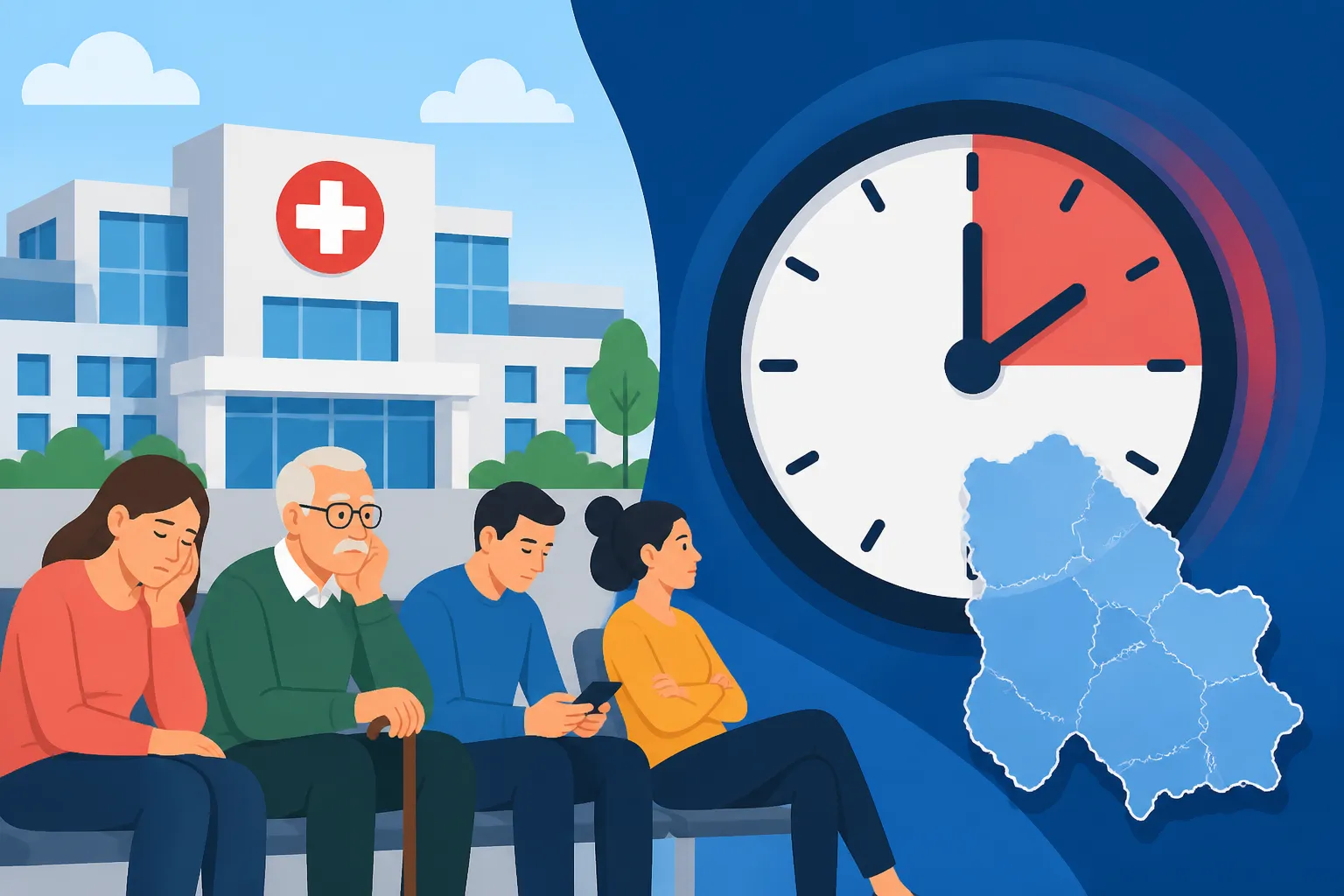
One of the most anxiety-inducing aspects of moving to a new country is figuring out the healthcare system, and a huge part of that stress often revolves around wait times. No one wants to be in pain or worried about a medical condition, only to face endless delays. This guide is here to give you a realistic, no-nonsense look at how long you can expect to wait for hospital services and specialist appointments in Serbia, and crucially, how you can navigate these challenges as an expat.
Understanding the Landscape: Public vs. Private Hospitals in Serbia
Before we dive into the specifics of wait times, it’s crucial to understand the dual nature of Serbia's healthcare system. We have both a robust public system, funded by mandatory health insurance contributions to the Republic Health Insurance Fund (RFZO), and a rapidly expanding private sector. Each has its own rhythm, its own set of challenges, and its own typical wait times.
The Public Hospital System: Domovi Zdravlja and Clinical Centers
The public healthcare system in Serbia is anchored by your local Dom Zdravlja (health center), which serves as your primary point of contact for general practitioners (GPs) and some basic specialist services. If you’re formally employed or self-employed and contributing to the RFZO, this is usually your first port of call. For anything beyond routine check-ups or common ailments, your GP will issue a referral (called an uput) to a specialist or a hospital.
Major public hospitals and clinical centers, such as the Clinical Center of Serbia (KBC Srbije) in Belgrade or Klinički centar Vojvodine in Novi Sad, are where you’ll find advanced specialist care, surgeries, and emergency services. These are massive institutions, often bustling with activity, and while they are equipped to handle a wide range of medical issues, the sheer volume of patients can significantly impact how quickly you get seen. Understanding the role of the RFZO and your GP in Serbia is fundamental to accessing these services.
The Rise of Private Healthcare for Expats
Over the last decade, Serbia has seen a significant boom in private healthcare. Driven by increasing demand for faster, more personalized services, private clinics and hospitals have become a popular alternative, especially among expats and those who can afford the out-of-pocket costs. These facilities operate independently of the RFZO, meaning you typically pay directly for services, though many now accept private health insurance plans.
The appeal of private healthcare is clear: modern facilities, often English-speaking staff, and, most importantly, significantly shorter wait times. If you're pondering Public vs Private Healthcare in Serbia: What Expats Need to Know, a key differentiator will undoubtedly be the speed of access. You can walk into a private clinic, book an appointment, and often be seen by a specialist within days, sometimes even hours, for non-emergency situations.
Factors Influencing Wait Times Across Both Systems
Several factors contribute to the varying wait times in Serbian hospitals and clinics:
- Type of Speciality: Certain specialities, like cardiology, endocrinology, or specific surgical procedures, tend to have longer wait lists in the public sector due to higher demand and limited resources. Routine check-ups with a GP at a Dom Zdravlja usually involve a short wait on the day, but a specific specialist could mean weeks or months.
- Urgency of Condition: Naturally, life-threatening emergencies are prioritized in both systems, although the sheer volume in public emergency rooms can still lead to waits for non-critical cases.
- Location: Major urban centers like Belgrade and Novi Sad have more public and private facilities, but also higher patient populations, which can create bottlenecks. Smaller towns might have fewer options but potentially shorter waits for certain services if the demand isn't as high.
- Referral System: In the public sector, you must have a referral from your GP for almost any specialist or hospital visit. This process itself can add a layer of waiting time.
- Insurance Status: Your health insurance in Serbia, whether RFZO or private, dictates your access and, consequently, your wait times. If you're only relying on the public system, you'll be subject to the public queues.
Public Sector Wait Times: The Reality and How to Cope
Let's be realistic: public healthcare in Serbia, while generally competent and affordable (or free for RFZO-insured individuals), often comes with the caveat of longer waiting periods. This isn't unique to Serbia; many public healthcare systems worldwide face similar challenges.
Typical Wait Times for Common Procedures and Consultations
For a routine GP visit at your Dom Zdravlja, you might wait anywhere from 15 minutes to an hour or two, depending on the day, time, and how many walk-ins are ahead of you. Appointments can often be booked a day or two in advance.
However, once you need a referral to a specialist in a public hospital, things can slow down considerably. For non-urgent specialist consultations (e.g., dermatologist, orthopedist, ophthalmologist), you could be looking at:
- A few weeks: For less in-demand specialities or if you get lucky with a cancellation.
- 1-3 months: This is a more common range for many specialist appointments in major clinical centers.
- 3-6 months or even more: For highly specialized procedures, certain diagnostic tests (like MRI or CT scans in busy centers), or elective surgeries that are not life-threatening. For example, getting an appointment with a public rheumatologist or for a specific gastrointestinal procedure might involve a significant wait.
It's a stark contrast to how quickly you might be used to being seen in other countries, and it can be a source of real frustration for expats.
Navigating the Referral System and Specialist Appointments
The uput (referral) is your golden ticket in the public system. Without it, you generally won't get past the reception desk at a specialist clinic or hospital department. Your GP will assess your condition and determine if a specialist is necessary. Make sure your GP writes a clear and comprehensive referral, outlining your symptoms and the specific specialist required. This can sometimes help to prioritize your case if it's deemed more urgent.
When trying to book a specialist appointment, persistence is key. Call the hospital department directly, or even better, if your Serbian is up to it, visit in person. Sometimes, a polite inquiry can reveal cancellation slots or alternative scheduling options. Always ask about the current waitlist length and if there’s an estimated time frame. If you're wondering How to Access Specialist Care Through the RFZO in Serbia, be prepared for this bureaucratic dance.
Emergency Room Wait Times: What to Expect
In a true medical emergency, like a heart attack, severe trauma, or stroke, you will be seen immediately regardless of your insurance status. Serbia's emergency services are dedicated and respond swiftly to life-threatening situations. The emergency number is 194 for ambulance, or you can use the general emergency number 112.
However, for non-life-threatening conditions that still warrant urgent attention (e.g., a broken bone, severe infection, acute pain that isn't immediately critical), waiting in a public hospital emergency room can be a lengthy affair. You might easily spend several hours in the waiting room before being seen by a doctor. Triage systems are in place, so the most severe cases get priority. If you happen to be one of the many people with a non-critical but urgent issue, brace yourself for a long wait. This is often where the option of a private emergency clinic, if available and within budget, becomes incredibly appealing. For comprehensive information, read our guide on Emergency Medical Care in Serbia: What Every Expat Needs to Know.
Private Healthcare: Quicker Access, Different Costs
For many expats, the private healthcare sector in Serbia offers a much-needed alternative, especially when facing the public system's potentially long wait times for non-urgent care. The trade-off, of course, is the cost.
Expedited Appointments and Specialist Consultations
This is where private healthcare truly shines. Want to see a specific cardiologist? You can often get an appointment within a few days, sometimes even the same day if you call early. Need an MRI? While there might still be a short wait for certain machines or popular slots, it's typically a matter of days or a week, not months. This expedited access is a major reason why many foreigners, especially those with good private health insurance plans, opt for private care.
Private clinics prioritize convenience and efficiency for their paying clients. They often have more administrative staff to manage appointments, state-of-the-art diagnostic equipment, and specialists who also work in the public system but allocate specific hours to private practice for faster consultations.
Understanding the Pricing and Insurance Coverage
The cost of private healthcare in Serbia is significantly higher than the co-payments you might make in the public system, but it's generally still more affordable than comparable services in Western Europe or North America.
Here’s a rough idea of what to expect:
| Service Category | Public Healthcare (RFZO Insured) | Private Healthcare (Out-of-pocket) |
|---|---|---|
| GP Consultation | Co-payment (approx. €1-€5) | €20-€40 |
| Specialist Consultation | Co-payment (approx. €1-€5) | €40-€80+ |
| Basic Blood Tests | Co-payment (small fee) | €15-€50+ (depending on tests) |
| Ultrasound Scan | Co-payment (small fee) | €30-€70+ |
| MRI/CT Scan | Co-payment (small fee) | €100-€300+ |
| Minor Procedure/Intervention | Co-payment (small fee) | €100-€500+ |
Note: These are approximate costs and can vary widely by clinic, city, and complexity of service.
Many expats choose to invest in private health insurance plans in Serbia. These plans can cover a significant portion, or even all, of your private medical expenses, including specialist consultations, diagnostics, and even some surgeries. If you're looking into How Much Does Private Health Insurance Cost in Serbia in 2026, you'll find a range of options depending on coverage levels. Providers like Uniqa, Generali, and Triglav offer various packages that are popular among the expat community. Having such a plan can save you considerable stress and expense when you need prompt medical attention.
Key Private Hospitals and Clinics in Major Cities
In Belgrade, you'll find a concentration of excellent private healthcare facilities. Some of the well-known names include:
- Bel Medic: One of the oldest and most established private hospitals, offering a full range of services from GP care to complex surgeries and maternity services. They have multiple locations throughout Belgrade.
- Acibadem Bel Medic: A collaboration that brings Turkish healthcare standards to Serbia, providing high-quality services.
- Euromedik: Another large chain with several clinics across Belgrade, offering diagnostics, specialist consultations, and smaller procedures.
- Medigroup: A network of clinics and hospitals, including a maternity hospital, offering comprehensive care.
In Novi Sad, you also have private options like Poliklinika Consilium, Poliklinika Human, and various smaller specialist clinics that offer quicker access. These facilities often have English-speaking staff and are more accustomed to dealing with international patients, making them a comfortable choice for many foreigners. For more details on private options, you might find our guide on Understanding the Difference Between Public and Private Hospitals in Serbia useful.
Strategies for Expats to Minimize Wait Times
Navigating any healthcare system as an expat can be a learning curve, but with a few strategic approaches, you can significantly reduce the anxiety and practical difficulties associated with hospital wait times in Serbia.
Leveraging Private Insurance for Faster Access
This is arguably the most effective strategy. If you have comprehensive private health insurance, you gain immediate access to the private sector, which means vastly reduced wait times for nearly all non-emergency services. Your insurance essentially buys you a spot at the front of the line, allowing you to book appointments with specialists or for diagnostic tests much quicker than through the public RFZO system.
When choosing a private insurance plan, consider one that has a direct billing agreement with the private clinics you might frequent. This saves you the hassle of paying upfront and claiming reimbursement later. If you are a digital nomad or frequently travel, international health insurance options like SafetyWing can also provide excellent coverage, not just within Serbia's private facilities but also for emergencies when you're on the move, offering peace of mind. Remember, if you're asking Do I Need Private Health Insurance in Serbia?, the answer largely depends on your budget and your tolerance for potential public sector delays.
Being Prepared: Essential Documents and Communication Tips
No matter which sector you choose, being prepared can streamline your experience:
- RFZO Card/Private Insurance Policy: Always have your RFZO health card (zdravstvena knjižica) or private insurance policy details readily available. Without them, even in emergencies, there can be delays.
- Personal Identification: Your passport or residence permit (boravišna dozvola) is crucial for identification.
- Medical History (Translated): If you have significant medical history, having key documents translated into Serbian (or at least English) can be immensely helpful. A brief summary of your conditions, medications, and allergies in both languages can be a lifesaver.
- Learn Basic Serbian Medical Terms: While many private clinics have English-speaking staff, public hospitals might not. Learning a few key phrases related to symptoms or body parts can make a big difference in communication.
- Bring a Serbian Speaker: For public appointments, if your Serbian isn't strong, bring a friend or a hired translator. Miscommunication can lead to unnecessary delays or incorrect treatment.
- Ask for an English-Speaking Doctor: Many doctors, especially younger ones, speak English. Don't hesitate to politely ask if there's an English-speaking doctor available, particularly in larger hospitals or private clinics. You can also explore options on How to Find an English-Speaking Doctor in Serbia.
When to Consider International Travel Insurance
For short-term visitors or new arrivals who haven't yet secured long-term residence and RFZO coverage, international travel insurance is absolutely essential. While tourists can access emergency care in Serbia, the costs will fall entirely on them. A good travel insurance policy, like those offered by SafetyWing, can cover unexpected medical emergencies, doctor visits, and even medical evacuation if needed.
Even if you have basic RFZO coverage, international travel insurance can act as a crucial backup, especially for travel outside Serbia or for accessing private care for specific needs. It's a small investment that can prevent huge financial and logistical headaches. Always read the fine print to understand what conditions and services are covered. For those wondering What Happens If I Get Sick Before I Register with the RFZO in Serbia?, having robust travel insurance is your best immediate solution.
Remember, the goal is to be proactive. Understand your options, prepare your documents, and don't be afraid to ask questions. With the right approach, navigating hospital wait times in Serbia can be manageable, allowing you to focus on your health and enjoying your expat life.
Disclaimer
Please note that this guide provides general information based on typical expat experiences and publicly available data in Serbia. Healthcare policies, wait times, and costs can change. Always consult with official sources, healthcare providers, and your insurance company for the most current and personalized advice. This information should not be used as a substitute for professional medical or legal counsel.