Do Expats Have to Pay Health Insurance Contributions in Serbia?
Oh, the joy of navigating bureaucracy in a new country! When it comes to something as fundamental as healthcare, and especially the question of whether you need to open your wallet for health insurance contributions in Serbia, the confusion can be real. It’s not always a straightforward yes or no, and the answer truly depends on your individual circumstances as an expat. This guide is here to untangle that knot, offering a clear picture of who pays, what options you have, and what exactly those dinars get you in the Serbian health system.
Understanding Serbia's Healthcare System: A Quick Primer for Expats
Before we dive into the nitty-gritty of payments, it's crucial to grasp the two main pillars of healthcare here: the public system, primarily run by the Republic Health Insurance Fund (RFZO), and the rapidly growing private sector. Many expats find themselves using a mix of both, depending on their needs and patience levels.
The Role of the Republic Health Insurance Fund RFZO
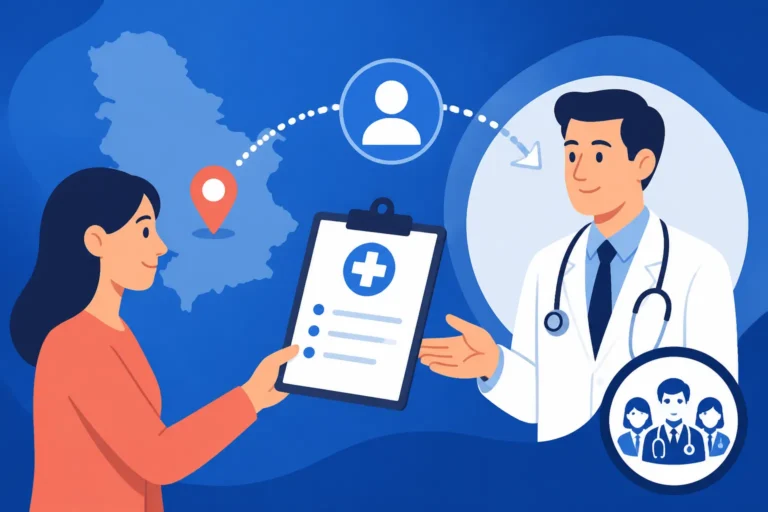
The RFZO, or Republic Health Insurance Fund (Republički fond za zdravstveno osiguranje), is the backbone of Serbia’s public healthcare system. Think of it as the national health service, funded by mandatory contributions from salaries and other income sources. Its primary purpose is to provide universal healthcare coverage to all insured residents, from basic doctor visits at a dom zdravlja (health centre) to hospital stays and prescription medications.
For those legally employed or self-employed in Serbia, contributing to the RFZO isn't optional; it's baked into the system. This collective funding model ensures that everyone who contributes has access to a wide range of services. It's designed to be comprehensive, covering preventive care, specialist consultations (with referrals), emergency treatment, and even maternity care. Understanding how to register with the Republic Health Insurance Fund (RFZO) in Serbia is often one of the first major administrative hurdles for newcomers.
Public vs. Private Healthcare: A Common Dilemma
Now, this is where it gets interesting for us expats. The public system, while comprehensive and relatively low-cost if you're contributing, can come with its own set of challenges. We're talking longer wait times for specialists, language barriers (though increasingly less so in bigger cities), and sometimes older facilities. Many of us arrive from countries with different healthcare experiences, and the sheer volume of patients in public institutions can be a bit of a shock.
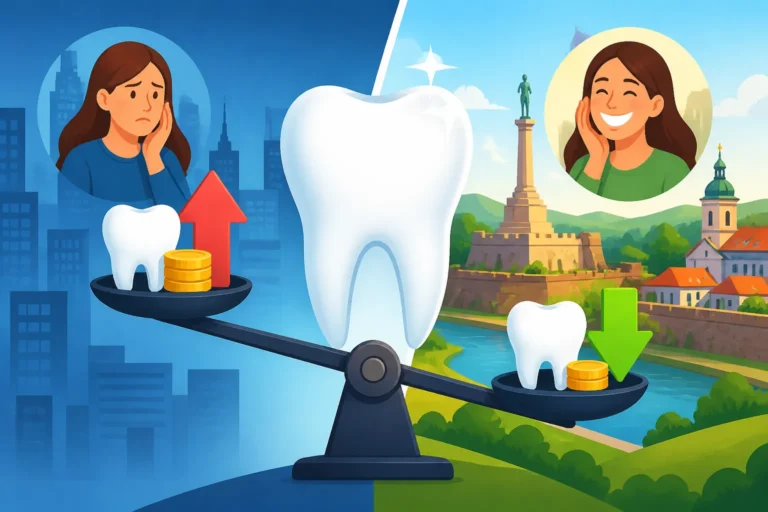
On the flip side, the private sector in Serbia is thriving, especially in Belgrade and Novi Sad. Here, you'll find modern clinics, often English-speaking staff, shorter wait times, and a more "customer service" oriented approach. The trade-off, of course, is the out-of-pocket expense. This is why many expats choose to supplement their RFZO coverage with private insurance, or rely solely on private insurance if they don't fall into a category requiring mandatory RFZO contributions. It’s a common dilemma, and one that often comes down to personal preference, budget, and how much you value convenience over cost.
Mandatory Contributions: Who Pays What and Why
This is the core question, isn't it? Whether you have to contribute to health insurance in Serbia depends almost entirely on your legal status and how you earn your income here. It's not a one-size-fits-all situation, and getting it wrong can lead to headaches down the line.
If You're Employed by a Serbian Company
If you've landed a job with a Serbian employer, breathe a sigh of relief on this front – mostly. Your employer is legally obligated to register you with the RFZO and deduct your mandatory health insurance contributions directly from your gross salary. These contributions, along with pension and unemployment insurance, are part of the broader social security system.
Typically, the health insurance contribution rate for employees is a percentage of your gross salary. While the exact percentages can fluctuate slightly over time with government policy changes, as of recent information, employees generally contribute around 10.3% of their gross salary towards health insurance, with the employer also contributing. This means you’ll see these deductions on your payslip, and in return, you'll receive an RFZO health card (called a zdravstvena knjižica or zdravstvena kartica). This card grants you access to public healthcare services. This entire process is often streamlined when you apply for the Single Permit for Work and Residence in Serbia, as health insurance registration is a key component. Understanding Mandatory Health Insurance Contributions in Serbia is key for anyone in this category.
If You're Self-Employed Pausal or DOO
Serbia has become a hub for self-employed individuals and entrepreneurs, particularly those working in the tech sector. If you've registered as an entrepreneur (preduzetnik), especially under the popular paušalni (lump-sum) tax regime, or if you own and manage your own Limited Liability Company (DOO), your obligations are different.
For pausal entrepreneurs, your health insurance contributions are usually integrated into the fixed monthly tax payment calculated by the Tax Administration (Poreska Uprava). This lump sum covers your personal income tax, pension contributions, and health contributions, simplifying the administrative burden significantly. The amount varies based on your registered activity, municipality, and other factors, but the health portion is included. It’s designed to be straightforward – you pay one fixed amount, and your health insurance is covered.
If you've opted for a DOO, you, as the director and/or owner, will typically pay social contributions, including health insurance, based on a reference salary, usually the minimum wage or higher if you're taking a higher salary. This is similar to an employed person, but you're effectively both the employer and employee in terms of contributions. The key difference is that for both pausal and DOO, you are responsible for making these payments directly, either through monthly invoices or online portals, rather than having an employer handle it.
If You're Working Remotely for a Foreign Company
This is a scenario that often causes the most confusion and frustration for expats in Serbia. If you're working remotely for a company that is not registered in Serbia and does not have a Serbian entity, then you generally won't be automatically contributing to the RFZO. Your foreign employer has no legal obligation to register you in the Serbian social security system, nor do they deduct Serbian taxes or contributions from your salary.
So, while you might have a temporary residence permit based on your work as a digital nomad or remote employee, you won't automatically receive an RFZO health card just by living and working here. This is a critical point that many new arrivals overlook. You'll need to proactively arrange your health coverage. This often means considering a private health insurance plan or voluntarily opting into the RFZO system. For many, especially those who plan to travel frequently, options like SafetyWing, which offers flexible travel medical insurance suitable for digital nomads, can be a practical solution for global coverage, though it won't replace local RFZO coverage for a residence permit requirement.
Dependents and Family Members
Bringing your loved ones with you to Serbia? That's wonderful, but remember their healthcare needs. If you are regularly contributing to the RFZO as an employed or self-employed individual, you can usually add your direct family members (spouse and children) as dependents to your health insurance coverage. This means they will also receive an RFZO health card and access public healthcare services.
The process involves submitting specific documents to the RFZO, including proof of family ties (marriage certificate, birth certificates), your residence permits, and your own RFZO documentation. It’s an administrative step, yes, but vital for ensuring your family is covered. For example, enrolling your child in a Serbian school will often require proof of health insurance, and RFZO coverage for them makes this straightforward. Understanding How to Add Dependents to Your Health Coverage in Serbia can save you a lot of future hassle.
Voluntary Contributions and Alternative Options
For those who don't fit neatly into the mandatory contribution categories, or for those who simply want more options, Serbia's system provides flexibility. It’s all about being proactive and understanding what best suits your circumstances.
Choosing to Pay into the RFZO Voluntarily
If you're not employed by a Serbian company, aren't registered as an entrepreneur, or perhaps are unemployed but have a valid residence permit, you still have the option to voluntarily enroll in the RFZO system. This is a lifeline for many expats, particularly remote workers or those in between jobs, who want access to the public health system.
To do this, you'll need to visit your local RFZO branch (or the main one in Belgrade for more complex cases) with your residence permit and passport. You'll sign up to pay a monthly contribution, which is a fixed amount set by the government, typically linked to the average net salary. For instance, in early 2024, the voluntary contribution amount was around 12,000 RSD to 15,000 RSD per month, but this can change, so always check the latest official figures. Once you start paying these monthly contributions, you become an insured person and receive your RFZO card, gaining full access to public healthcare services. This is a good option if you plan to stay long-term and want the same coverage as local residents.
The Landscape of Private Health Insurance
For many expats, especially those accustomed to private systems or who prioritize speed and convenience, private health insurance is an attractive alternative or complement. Even if you're covered by RFZO, a private policy can offer peace of mind by providing access to shorter wait times, private hospital rooms, and English-speaking doctors.
Local Serbian insurers like UNIQA, Generali, and Dunav Osiguranje offer various private health insurance plans tailored to individuals and families. These policies can cover everything from outpatient visits and specialist care to major surgeries and maternity care, depending on the tier you choose. Premiums will vary significantly based on age, coverage level, and pre-existing conditions. For newcomers, particularly those still sorting out their long-term residency or working as digital nomads for non-Serbian entities, international providers like SafetyWing offer flexible travel medical insurance that can cover emergencies and general health needs while abroad, including in Serbia. It’s particularly useful for those periods when you might not have full local coverage. However, it's crucial to remember that some residence permit applications explicitly require proof of Serbian health insurance, so a purely international travel policy might not always suffice for that specific administrative hurdle, though it's excellent for medical emergencies. The cost of healthcare in Serbia is generally lower than in many Western countries, making private options here more accessible.
Key Takeaways and What Happens If You Don't Pay
Understanding your obligations and options is the first step. The next is being prepared for the realities, both good and bad, of the Serbian healthcare system.
Consequences of Non-Payment
Let's be blunt: if you don't contribute to the RFZO (either mandatorily or voluntarily) and you don't have private health insurance, you are effectively uninsured. This means that if you need medical care in Serbia – whether it's a doctor's visit, specialist consultation, or emergency treatment – you will be responsible for 100% of the costs out of pocket.
While emergency services (like calling 194 for an ambulance) will treat you regardless of your insurance status in life-threatening situations, you will be billed afterwards. For non-emergencies, public domovi zdravlja and hospitals will likely refuse non-urgent treatment without proof of RFZO coverage or upfront payment. Private clinics, of course, always require payment, either directly from you or through your private insurer. Relying on out-of-pocket payments can quickly become very expensive, especially for chronic conditions, tests, or unexpected surgeries. This is why having some form of coverage, be it RFZO or private, is non-negotiable for anyone residing in Serbia.
Navigating the Bureaucracy
Ah, Serbian bureaucracy. It's legendary, and for good reason! Registering for health insurance, whether it's through your employer, as a self-employed person, or voluntarily, involves a certain amount of paperwork, patience, and often, multiple visits to different offices. You'll likely interact with the RFZO, the Tax Administration (Poreska Uprava), and potentially your local opština (municipality) or police station for residence-related documents.
Don't be surprised if you're asked for documents you didn't anticipate, or if the process takes longer than expected. My advice, after years here, is always to have copies of everything, and when in doubt, ask for clarification (and then ask again from someone else, just to be sure!). Many expats find it incredibly helpful to hire a local accountant or a relocation agency, especially for initial setup, as they can navigate the system, understand the nuances of local laws, and ensure you're compliant. They can also explain the details of Understanding Mandatory Health Insurance Contributions in Serbia. Services like SafetyWing's global support can also be helpful in understanding international healthcare protocols, but for specific Serbian administrative tasks, local expertise is invaluable.
Here’s a quick overview of how health insurance contributions generally apply to expats in Serbia:
| Expat Status | Mandatory RFZO Contribution? | How it's Paid | Recommended Additional Coverage |
|---|---|---|---|
| Employed by Serbian Company | Yes | Deducted from gross salary by employer | Private health insurance for faster access/comfort |
| Self-Employed (Pausal/DOO) | Yes | Included in monthly lump-sum tax (Pausal) or direct payment (DOO) | Private health insurance for wider clinic choice |
| Working Remotely for Foreign Company | No (unless voluntary) | N/A (unless voluntary RFZO chosen) | Private health insurance (e.g., SafetyWing for global) or Voluntary RFZO |
| Student with Residence Permit | No (unless voluntary) | N/A (some university agreements might exist) | Private health insurance or Voluntary RFZO |
| Dependents (Spouse/Children) | Yes (if main applicant contributes to RFZO) | Through main applicant's RFZO coverage | Private health insurance for enhanced care, especially for children |
| Unemployed with Residence Permit | No (unless voluntary) | N/A (unless voluntary RFZO chosen) | Voluntary RFZO or Private health insurance |
Remember, this table provides a general overview, and individual circumstances, particularly specific visa types or bilateral agreements, can sometimes alter these rules. Always seek up-to-date official information or professional advice for your unique situation.
Ultimately, while the question "Do Expats Have to Pay Health Insurance Contributions in Serbia?" might seem simple, the answer, like so much in expat life, is nuanced. Being informed, prepared, and proactive will ensure your health and financial well-being while you enjoy your life in this vibrant country.
Disclaimer
The information provided in this guide is for general informational purposes only and does not constitute legal, financial, or medical advice. While we strive to keep the information up-to-date and accurate, regulations and procedures in Serbia can change frequently. Expats should always consult with relevant Serbian authorities, such as the Republic Health Insurance Fund (RFZO) or the Tax Administration (Poreska Uprava), or seek professional legal and accounting advice tailored to their specific situation before making any decisions related to health insurance, residency, or financial obligations.