How to Claim Reimbursement from Private Insurance in Serbia
Let's be honest, navigating healthcare in a new country like Serbia can feel like a labyrinth, especially when it comes to the nitty-gritty of private health insurance and getting your money back. Many of us expats have faced that moment of dread, standing at a private clinic reception, wondering how exactly we're going to claim reimbursement for that doctor's visit or prescription. This guide is here to untangle that process, offering a clear, step-by-step roadmap to successfully claiming reimbursement from your private health insurance in Serbia.
Deciphering Your Private Health Insurance Policy in Serbia
Before you even step foot into a private clinic, the single most crucial thing you can do is truly understand your private health insurance policy. I know, I know, wading through insurance jargon is about as fun as waiting in line at the MUP, but trust me, it’s worth the headache upfront. Your policy document isn't just a piece of paper; it's your bible for what's covered, what's not, and how to get your money back.
Unpacking Your Benefits and Coverage Limits
Every private health insurance policy is unique, and what might be a standard inclusion in one could be an expensive add-on in another. You need to scrutinize the fine print for specific benefits. Does it cover specialist consultations, dental work, physiotherapy, mental health services, or only emergency care? Many policies in Serbia will have tiered coverage, meaning a basic plan might only cover urgent care, while a more comprehensive one will include preventative check-ups, diagnostics, and even some elective procedures. Look for the monetary limits on each service. For example, your policy might cover a maximum of €500 for dental work per year, or a limit of 10 physiotherapy sessions. It’s vital to know these figures so you don't get a nasty surprise later.
Think about the common healthcare needs you anticipate. If you're someone who sees a dermatologist regularly, ensure those visits aren't excluded or have ridiculously low limits. If you plan on starting a family, check how maternity and prenatal care in Serbia are handled – some policies have waiting periods or exclude it entirely. Having a clear picture of your benefits and limits will prevent wasted trips and unexpected out-of-pocket expenses. It’s also important to understand if your plan differentiates between local and international coverage, which is particularly relevant if you travel frequently or chose an international provider like SafetyWing.
Understanding Different Reimbursement Models: Direct vs. Pay & Claim
When it comes to getting paid, private health insurance in Serbia generally operates on two primary models: direct billing or "pay and claim" (reimbursement). Knowing which one your policy uses is absolutely fundamental.
Direct Billing: This is the dream scenario for most expats. With direct billing, your insurance company pays the healthcare provider directly, and you walk out without opening your wallet (unless there's a co-payment, but we'll get to that). This system relies on a network of pre-approved clinics and hospitals that have agreements with your insurer. Many of the larger private healthcare chains in Belgrade and Novi Sad, such as MediGroup or Euromedik, often have direct billing agreements with major local and international insurance providers. If your policy offers direct billing, always ask the clinic if they have an agreement with your specific insurer before your appointment. This saves a huge amount of hassle later on.
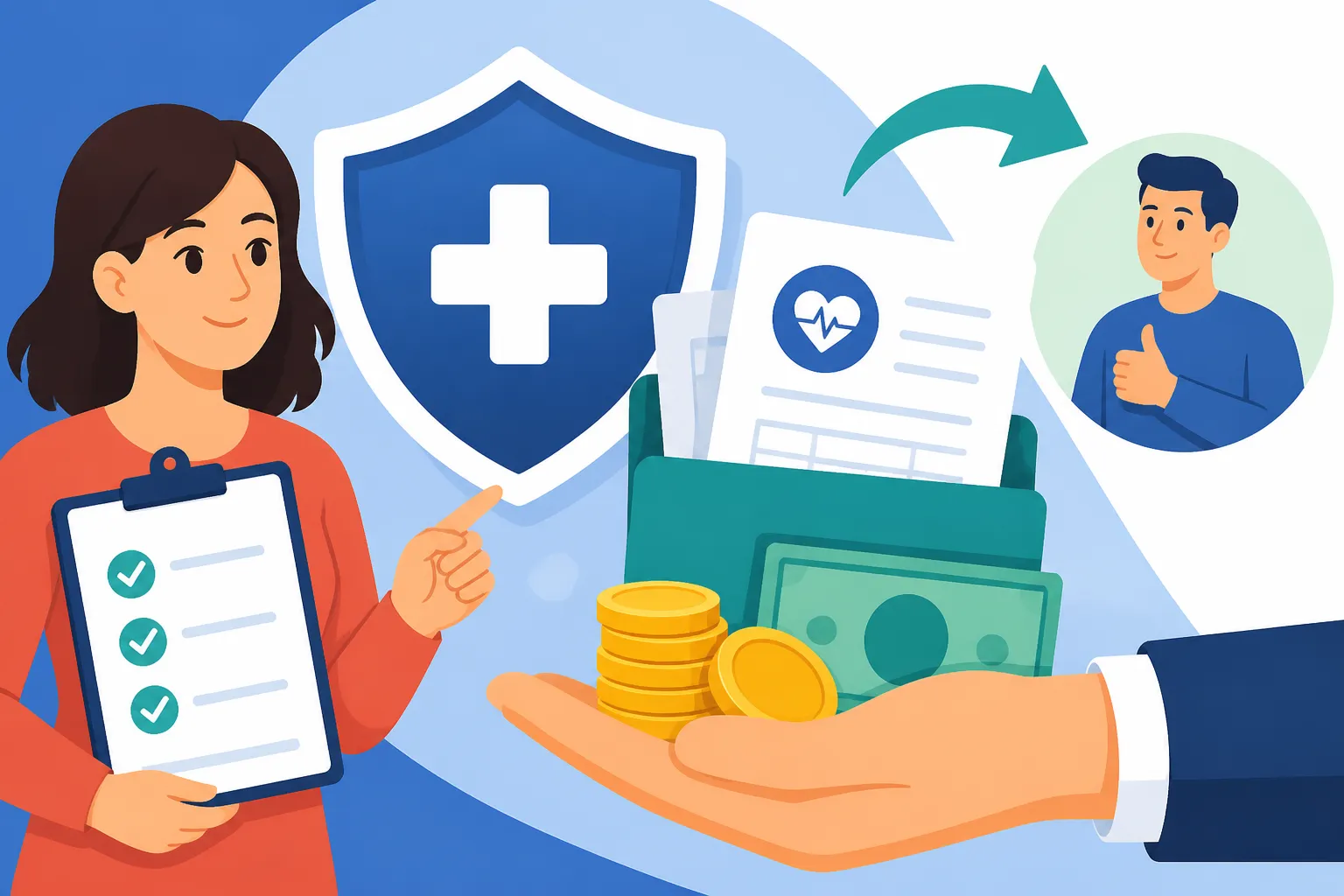
Pay and Claim (Reimbursement): This is the more common model for smaller clinics, individual practitioners, or if your chosen provider isn't in your insurer's direct billing network. Here, you pay for the services upfront, out of your own pocket. Then, you collect all the necessary documentation (invoices, medical reports, prescriptions) and submit them to your insurance company for reimbursement. The insurer then reviews your claim and, if approved, transfers the covered amount back to your bank account. While it requires more administrative effort on your part, it also gives you greater flexibility in choosing your healthcare provider, as you’re not limited to a specific network. It’s this "pay and claim" model that often causes the most confusion and frustration for foreigners, which is precisely why we're diving deep into it today.
Preparing for Treatment: The Essential Pre-Visit Steps
You wouldn't start a road trip without checking your map, right? Well, treating your healthcare journey in Serbia the same way will save you a world of pain. A little preparation before your appointment can make the difference between a smooth reimbursement and a bureaucratic nightmare.
The Importance of Pre-Authorization and How to Get It
This is a step many expats overlook, often to their detriment. For certain treatments, especially more complex or expensive ones like specialist consultations, diagnostic tests (MRI, CT scans), surgeries, or even extended physiotherapy, your private insurer might require "pre-authorization." This means you need to get prior approval from your insurance company before undergoing the treatment. If you skip this step, your claim could be denied, even if the service would otherwise be covered.
How do you get pre-authorization? Typically, your doctor or the clinic will need to submit a medical report or a treatment plan to your insurance company. They'll explain the necessity of the procedure and provide an estimated cost. It’s your responsibility to check with your insurer if pre-authorization is required for the service you’re seeking. Don't rely solely on the clinic to tell you, as they might not be fully aware of your specific policy’s requirements. If you're using an international plan like SafetyWing, their online portal or customer service will be your go-to for checking these requirements and initiating the process. Make sure you get written confirmation of any pre-authorization.
Compiling Your Initial Documentation
Before your appointment, gather any documents that might be useful. This includes:
- Your private health insurance card or policy number: Obvious, but easily forgotten. Have it ready.
- A copy of your policy documents: Especially the sections detailing your coverage and reimbursement procedures.
- Your passport or residence permit: For identification purposes.
- Any referral letters: If you're seeing a specialist, a referral from a general practitioner might be required by your insurer. Even if it's not strictly required for the claim, it often helps legitimize the specialist visit in the eyes of your insurance company. This is similar to how referrals work under the public RFZO system, demonstrating a medical chain of care.
- Previous medical records (if relevant): Especially if it's a follow-up for an existing condition.
Having these documents neatly organized, even digitally, means you’re not scrambling when you’re already feeling under the weather. This proactive approach can significantly streamline the reimbursement process later.
During and After Your Medical Appointment: Collecting Key Evidence
So, you’ve navigated the booking, understood your policy, and maybe even got pre-authorization. Bravo! Now comes the crucial part: collecting every single piece of paper you can get your hands on during and immediately after your appointment. In Serbia, detailed paperwork is your best friend when dealing with bureaucracy, and insurance claims are no exception.
Securing Invoices and Proof of Payment
This is non-negotiable. For any service you pay for upfront, you must get an official invoice (račun) and proof of payment (potvrda o uplati). These aren't just polite receipts; they are legal documents in Serbia and absolutely essential for your reimbursement claim.
-
The Invoice (Račun): This document should detail the services you received, the date of service, the cost of each service, and the total amount paid. It must be issued by the healthcare provider (e.g., "Klinika X," "Dr. Y Ordinacija"). Crucially, ensure the invoice includes the clinic's full name, address, tax identification number (PIB – Poreski Identifikacioni Broj), and official stamp. It should also clearly state your name as the patient. Sometimes, clinics might just issue a generic fiscal receipt. While helpful, it’s not always sufficient on its own. Politely but firmly request a detailed invoice that meets the criteria mentioned above. Don't be shy about asking for an English version if available, though a Serbian one is usually fine if it contains all the necessary data.
-
Proof of Payment: This could be a stamp on the invoice indicating "Paid" or a separate fiscal receipt from a card terminal. If you pay in cash, ensure the invoice explicitly states "Plaćeno u gotovini" (Paid in cash) and has an official stamp. If you paid by card, the card terminal receipt is your proof. Make sure the date on the proof of payment matches the date on the invoice. Keep both the original invoice and proof of payment, and ideally, take a photo or scan them immediately.
Detailed Medical Reports and Prescriptions
Beyond the financial documents, your insurance company will almost certainly require medical documentation to understand why you received the treatment and to verify its medical necessity.
-
Medical Report (Medicinski Izveštaj/Nalaz): After your consultation or procedure, always ask for a detailed medical report. This report should include:
- Your personal details (name, date of birth).
- The date of the consultation/treatment.
- The name and specialty of the doctor.
- A diagnosis (dijagnoza).
- A description of the services rendered or procedures performed.
- Any findings from examinations or tests.
- Recommendations for further treatment, medication, or follow-up.
- The doctor's signature and the clinic's official stamp.
This report is the backbone of your claim, demonstrating the medical justification for the expenses. For some international insurers like SafetyWing, a clear diagnosis in English is often preferred, so ask if the clinic can provide a brief English summary or translation.
-
Prescriptions (Recept): If you were prescribed medication, keep the original prescription. While some insurers might not explicitly ask for it for simple drug claims, it’s always better to have it. For larger or more expensive medications, your insurer might need to see the prescription to approve reimbursement. When you purchase medication, keep the fiscal receipt from the pharmacy as well. For a deeper dive into the pharmacy system, check out Understanding the Pharmacy System and Buying Medicines in Serbia.
Remember, the goal here is to leave no doubt in your insurer's mind about the legitimacy and necessity of your medical expenses. The more detailed and complete your paperwork, the smoother your reimbursement journey will be.
Submitting Your Reimbursement Claim: A Step-by-Step Walkthrough
You've got your stack of documents, carefully collected and filed. Now it's time for the final push: submitting your claim. This is where many expats often stumble, but with a structured approach, it's totally manageable.
Filling Out the Claim Form Accurately
Almost all private insurance companies, whether local Serbian providers or international ones, will have a specific claim form that you need to complete. Don't just gloss over it; fill it out with meticulous care.
- Personal Information: Double-check your name, policy number, contact details, and bank account information for the reimbursement transfer. Any discrepancy here can lead to significant delays.
- Details of the Incident/Treatment: Provide a clear, concise description of why you sought medical attention. Include the date of the service, the name of the clinic/doctor, and the total amount you paid.
- Declarations: Read through any declarations carefully. You're typically affirming that the information provided is accurate and that you haven't claimed these expenses elsewhere.
If you’re unsure about any section, contact your insurer directly. It’s far better to ask than to submit incorrect information and have your claim bounce back. For those with international coverage, many, like SafetyWing, offer user-friendly online claim forms which can be a real blessing compared to printing and scanning physical documents.
Sending Your Documents: Methods and Best Practices
Once the form is complete, you need to submit it along with all your supporting documents.
-
Method of Submission:
- Online Portal: Many modern insurers, especially international ones, offer an online portal where you can upload scanned copies or photos of your documents directly. This is often the fastest and most convenient method. Ensure your scans are clear and legible.
- Email: Some insurers might accept claims via email. Always use a secure email address and compress large files if necessary. Keep a record of the email you sent.
- Post: For local Serbian insurers or if you prefer a paper trail, sending documents by registered mail (preporučena pošta) is advisable. This provides you with proof of postage and receipt, which can be invaluable if documents go missing. Keep copies of everything you send.
- In-Person: If your insurer has a local office, you might be able to submit documents in person. Ask for a stamped receipt acknowledging receipt of your claim.
-
Checklist for Submission: Before hitting "send" or dropping your envelope in the mail, go through this quick checklist:
- Completed and signed claim form.
- Original invoices with official stamps, detailing services and costs.
- Original proofs of payment (fiscal receipts, card slips).
- Detailed medical reports with diagnosis, doctor's signature, and clinic stamp.
- Original prescriptions (if claiming medication).
- Any pre-authorization confirmations.
- Copies of all documents for your own records.
Table: Essential Documents for Common Reimbursement Claims
| Type of Service | Key Documents Required (Pay & Claim) | Important Details to Check |
|---|---|---|
| Doctor's Visit | Detailed Invoice, Proof of Payment, Medical Report (Diagnosis, Doctor's name) | Clinic/Doctor PIB & Stamp, Your Name on Invoice, Date of Service |
| Specialist Visit | Detailed Invoice, Proof of Payment, Specialist's Report, Referral Letter (if req.) | Same as above, ensure referral is clearly stated. |
| Diagnostic Tests | Detailed Invoice, Proof of Payment, Lab Results/Radiology Report, Doctor's Order | Equipment details, specific tests performed, date. |
| Medication | Pharmacy Fiscal Receipt, Original Prescription | Medicine name, cost, date, pharmacy PIB & stamp. |
| Physiotherapy/Therapy | Detailed Invoice, Proof of Payment, Therapy Plan/Report, Doctor's Referral | Number of sessions, therapist's details, duration of treatment. |
| Hospital Stay | Itemized Hospital Bill, Proof of Payment, Discharge Summary, Doctor's Orders | Dates of admission/discharge, breakdown of all costs (room, meds, procedures). |
Getting these ducks in a row might feel like a chore, but it genuinely simplifies the process and significantly increases your chances of a quick, successful reimbursement.
The Waiting Game: Tracking Your Claim and Addressing Issues
You've sent off your claim, breathed a sigh of relief, and now the anxious waiting begins. This stage can be frustrating, especially if you’re not used to Serbian administrative speeds, which can sometimes feel like watching paint dry. But patience and proactive follow-up are your allies here.
Typical Processing Timelines and Follow-Up Procedures
The processing time for private health insurance claims in Serbia can vary wildly. For a straightforward doctor's visit, it might be a week or two. For more complex claims involving multiple services or higher amounts, it could stretch to a month or even longer. Local Serbian insurers might have slightly different timelines than international providers, but generally, expect a bit of a wait.
Most insurers will acknowledge receipt of your claim, often with a reference number. This number is your golden ticket for all future communication. Keep it safe!
- When to Follow Up: Give your insurer a reasonable amount of time, usually the minimum processing time they quoted you (if any). If you haven't heard anything within that period, don't hesitate to reach out.
- How to Follow Up:
- Online Portal: If you submitted online, check the portal for status updates first.
- Email: Send a polite email, referencing your claim number and the date of submission, inquiring about the status.
- Phone: Calling customer service is often the most direct route, but be prepared for potential language barriers if it's a local insurer and you're not fluent in Serbian. Having an English-speaking friend or using a translation app might be helpful.
- In-Person: If you submitted in person, revisiting the office with your receipt of submission can also yield answers.
Be persistent but polite. Remember, the person on the other end of the line is likely just doing their job. Keeping a calm and organized approach will always yield better results than frustration.
What to Do If Your Claim is Denied or Delayed
Sometimes, despite your best efforts, a claim might be denied, or it might be delayed for an unreasonably long time. Don't panic; this isn't necessarily the end of the road.
-
Reason for Denial: If your claim is denied, the insurer must provide you with a reason in writing. Read this reason very carefully. Common reasons for denial include:
- Missing documentation (e.g., no medical report, fiscal receipt missing).
- Pre-authorization not obtained.
- Service not covered by your policy (e.g., elective cosmetic procedure, pre-existing condition not declared).
- Exceeding coverage limits.
- Incorrect information on the claim form.
- Documentation not clear or legible.
-
Addressing Delays: For delays, politely inquire about the specific roadblock. Is a document missing? Is it awaiting a supervisor's approval? Sometimes, a simple phone call can nudge a stalled claim forward.
-
Appealing a Denied Claim: If you believe your claim was wrongly denied, you have the right to appeal.
- Understand the Reason: First, fully understand why it was denied.
- Gather More Evidence: If it's due to missing documents, provide them. If it's a coverage dispute, refer back to your policy wording and highlight the sections that support your claim. Perhaps you can get an additional letter from your doctor clarifying the medical necessity of the treatment.
- Write an Appeal Letter: Clearly state your case, reference the claim number, the denial reason, and why you believe the decision should be overturned. Attach any new or previously overlooked supporting documents.
- Submit the Appeal: Follow your insurer's specific appeal process, which should be outlined in your policy or on their website.
This process can be taxing, but it's important to know your rights as a policyholder. Persistence, backed by solid documentation, is your greatest tool. For instance, an international health insurance provider like SafetyWing usually has clear guidelines for appeals and a customer support team familiar with varied expat situations. If you're looking into Health Insurance in Serbia: RFZO, Private and International Options Explained, you'll see how different providers handle these situations.
Choosing a Private Insurance Plan with Smooth Reimbursement
When you're shopping for private health insurance in Serbia, it's easy to get fixated on the monthly premium or the headline benefits. But for expats, particularly those new to the local system, the ease of the reimbursement process can be just as crucial. A cheap policy that's impossible to claim from isn't really cheap at all.
Factors to Consider Beyond the Premium
Beyond the obvious cost, think about these elements when evaluating potential private health insurance plans:
- Direct Billing Network: How extensive is their direct billing network in the areas you frequent (Belgrade, Novi Sad, etc.)? The more clinics and hospitals they have agreements with, the less likely you'll be paying upfront. This is a massive time and stress saver.
- Customer Service & Language Support: Can you communicate with them easily? Do they offer customer service in English? This is a huge advantage when you're trying to clarify a complex claim or understand policy details. A company that prioritizes multilingual support, like many international providers, can make a world of difference.
- Online Portal & Digital Claim Submission: Does the insurer have a user-friendly online portal where you can manage your policy, track claims, and submit documents digitally? This can significantly speed up the process compared to snail mail or email-only options.
- Claim Processing Efficiency: While harder to quantify beforehand, look for reviews or ask other expats about their experiences with claims processing. Some insurers are notoriously slow, while others are praised for their quick turnarounds.
- Clarity of Policy Wording: Is the policy written in clear, understandable language, or is it riddled with impenetrable jargon? A transparent policy will make it easier to know what's covered and what you need for a claim.
- Exclusions and Waiting Periods: Pay close attention to any exclusions (e.g., pre-existing conditions, specific treatments) and waiting periods (e.g., you can't claim for maternity care for the first 12 months). These can heavily impact your ability to get reimbursed. If you're pondering Do I Need Private Health Insurance in Serbia?, considering these factors will certainly help your decision.
Local Serbian Insurers vs. International Providers
Both local and international private insurers have their pros and cons regarding reimbursement in Serbia.
Local Serbian Insurers (e.g., Generali, DDOR, Uniqa, Wiener Städtische):
- Pros: Often more affordable for basic plans. Their documentation is in Serbian, which might be easier for local clinics to process directly. They are fully integrated into the Serbian legal and healthcare system.
- Cons: English customer service might be limited. Online portals can be less sophisticated. Direct billing networks might be smaller or concentrated in major cities. Reimbursement processes can sometimes be slower and require more physical paperwork.
International Providers (e.g., SafetyWing, Cigna, BUPA, etc.):
- Pros: Excellent English customer service, often 24/7. Sophisticated online portals for easy claim submission and tracking. Designed for expats and digital nomads, understanding their unique needs. Wider direct billing networks globally, though locally in Serbia, it might still rely on their local partners or a pay-and-claim model. Companies like SafetyWing are specifically tailored for flexible international coverage, often a favourite among the digital nomad community here.
- Cons: Generally more expensive than basic local plans. Some may require you to pay upfront even with direct billing agreements, then claim reimbursement if the clinic is not a direct partner. They might require translated medical reports for complex claims, which is an added step. For an idea of costs, you can investigate How Much Does Private Health Insurance Cost in Serbia in 2026?.
The choice really comes down to your personal priorities: budget, need for English support, preference for direct billing, and how much administrative hassle you're willing to take on for the reimbursement process. Understanding these nuances helps you make an informed decision when selecting your plan, ensuring that claiming reimbursement from private insurance in Serbia becomes a manageable part of your expat life, not a dreaded chore. For a broader view, it's worth checking out Understanding Private Health Insurance Plans in Serbia.
Disclaimer
The information provided in this guide is for general informational purposes only and does not constitute legal, financial, or medical advice. While we strive to keep the information up-to-date and accurate, regulations and procedures in Serbia can change frequently. Always consult with your specific private health insurance provider for the most current and policy-specific details regarding claims and reimbursement. For legal or financial advice, please consult a qualified professional in Serbia.