What Is the Validity of Permanent Residence in Serbia?
Moving to a new country like Serbia often starts with temporary residence, a stepping stone that can feel like a never-ending bureaucratic maze. But what happens when you finally get that coveted permanent residence status? Many expats breathe a sigh of relief, assuming their journey through paperwork is over, only to wonder about the long-term implications and, critically, how long this "permanent" status actually lasts. This guide will meticulously break down the validity of permanent residence in Serbia, clarify its conditions, and help you understand what it truly means for your life here.
Understanding Permanent Residence in Serbia: Beyond the Temporary Stamp
After years of navigating temporary permits, the concept of "permanent residence" or stalni boravak in Serbia feels like reaching the promised land. It’s not just another stamp in your passport; it's a profound shift in your legal standing and your life in Serbia. But let's be absolutely clear: "permanent" in this context doesn't mean forever without any conditions or renewals. It grants you indefinite residency in principle, but the physical document proving this status does have an expiry, and your underlying status can still be revoked under certain circumstances.
What Stalni Boravak Actually Means
Stalni boravak is a crucial milestone for any expat who truly envisions a long-term future in Serbia. Essentially, it provides you with a much more stable and secure legal foundation compared to temporary residence (privremeni boravak). With temporary residence, you're constantly on the clock, needing to justify your stay and renew your permit annually or biannually based on specific grounds like work, study, or family reunification. You might find yourself dreading the renewal process every year, gathering documents, proving income, and essentially re-applying for permission to stay.
Permanent residence, on the other hand, signals that the Serbian state recognizes your deep integration into society. You've proven your commitment by living here for a significant period, typically a minimum of three consecutive years on temporary residence, though in some specific cases, like marriage to a Serbian citizen, it can be shorter. This status grants you nearly the same rights as a Serbian citizen, with some key exceptions like voting in national elections or holding certain public offices. It’s a huge relief, freeing you from the annual scramble and allowing for much greater stability in planning your life, from career moves to family decisions. It truly transforms your relationship with the country from a guest to a quasi-citizen, making things like financial planning and long-term investments much more straightforward.
The Path from Temporary to Permanent
The journey to permanent residence isn't always quick or easy, and it definitely requires patience and meticulous record-keeping. Most foreigners typically qualify after having held temporary residence continuously for five years. However, if you're married to a Serbian citizen, you might be eligible after just three years of temporary residence based on family reunification. There are also specific provisions for individuals of Serbian descent, stateless persons, or those granted asylum. The continuous nature of temporary residence is critical here; any significant breaks can reset your clock.
For many, especially those who came for work or to start a business, the initial years are spent diligently renewing their privremeni boravak based on their employment or entrepreneurial activities. This phase requires constant vigilance, ensuring all documents are current and submitted well before expiry. It’s a real test of endurance and attention to detail. Once you meet the criteria, you'll compile an extensive dossier for the Ministry of Interior (MUP), including proofs of continuous residence, financial stability, and integration. It's a comprehensive application, but once approved, it truly signifies your commitment to Serbia. For more details on the application process, you might find our guide on How to Apply for Permanent Residence in Serbia incredibly helpful.
The Validity of Your Permanent Residence Permit Card
So, you’ve secured your stalni boravak. That plastic card in your wallet, similar to an ID card, is your tangible proof. This is where the term "permanent" needs careful clarification. While the status itself is considered indefinite, the physical document has an expiration date, much like your passport or driving license.
Expiry of the Physical Document
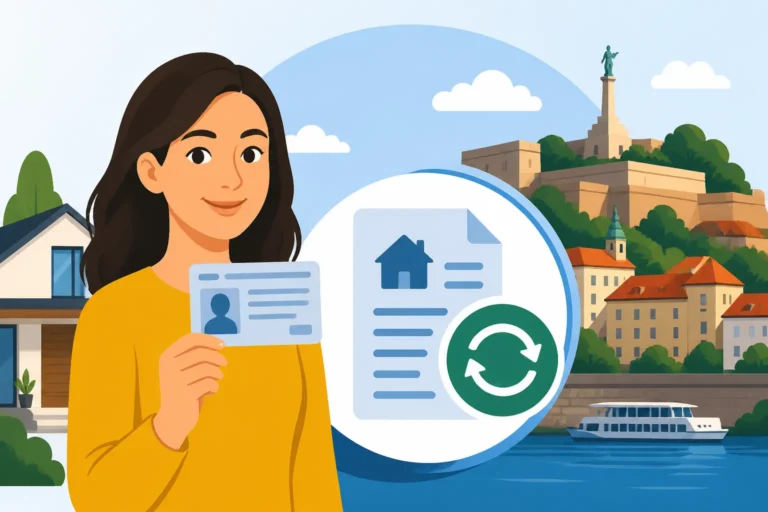
Your permanent residence permit card in Serbia, like many official identification documents globally, typically has a validity period of five years. This means that while your right to permanently reside in Serbia doesn't expire, the physical card that proves this right does. You can find the exact expiry date printed clearly on your card. This isn't a ploy to make you reapply for your status; it's a standard administrative practice to update your photo, possibly fingerprints, and ensure the document itself is current and secure. Think of it like renewing your driver's license; you don't re-take your driving test every five years, but you do get a new card.
Failing to renew your physical card doesn't automatically mean you lose your stalni boravak status, but it can create significant headaches. Without a valid document, you might face issues proving your identity and residence for everyday tasks. Imagine trying to open a new bank account, sign a lease, or even travel internationally without a current ID – it simply won't work. The police might also fine you for not having a valid personal document, as it is a legal requirement for all residents to carry valid identification. It’s crucial to treat this renewal seriously to avoid unnecessary stress and administrative hurdles.
Renewing Your Permanent Residence Card
The process for renewing your permanent residence card is significantly simpler than the initial application for stalni boravak or even the annual renewals of temporary residence. You're not reapplying for the right to live here, just updating the proof of that right. Typically, you'll need to submit an application to the Ministry of Interior (MUP) branch responsible for foreigners in your area, usually Belgrade's Uprava za strance.
Here's a general overview of what you'll typically need:
- Application form: Filled out in Serbian.
- Expired (or soon-to-expire) permanent residence card: The old one.
- Valid passport: Ensure your passport is not expired or close to expiring.
- Proof of payment for administrative fees: These fees cover the cost of the new card and processing.
- New photograph: Meeting specific Serbian ID photo requirements.
- Proof of registered address: Your prijava boravka (address registration) should be current.
The MUP generally recommends applying for the renewal at least 30 days before your current card expires, though it's always safer to do it even earlier, perhaps 60-90 days out, just in case there are unexpected delays. The waiting period for the new card can vary, but typically it's a few weeks. During this time, you might receive a temporary paper document proving your application is in process. For those who frequently travel, planning this renewal well in advance is essential to avoid any border crossing issues. Keeping your address registration current is also vital; you can learn more about How to Register Your Address Prijava with the Police in Serbia to ensure you're always compliant.
Maintaining Your Permanent Residence Status: Key Conditions
While the status of permanent residence is indefinite, it's not entirely without conditions. There are specific rules regarding absences from Serbia that, if violated, can lead to the revocation of your stalni boravak. This is perhaps the most critical aspect for expats who might need to leave Serbia for extended periods, whether for work, family emergencies, or travel.
Rules on Absences from Serbia
This is where many expats get caught out. The Serbian Law on Foreigners is very clear about how long you can be absent from the country without jeopardizing your permanent residence. Generally, your permanent residence status can be revoked if you:
- Leave Serbia for more than one year continuously. This is the big one. If you’re planning to be away for more than 365 consecutive days, you risk losing your status. This rule is designed to ensure that those holding stalni boravak are genuinely residing in Serbia and contributing to its society.
- Leave Serbia for multiple periods exceeding a total of three years within a five-year timeframe. This rule covers cumulative absences. So, even if you never leave for a full year at once, if your combined time outside of Serbia within any rolling five-year period adds up to more than three years, your status can be revoked.
These rules have some flexibility for exceptional circumstances. For instance, if you are absent for longer periods due to mandatory military service, serious illness requiring prolonged treatment abroad, or education (like university studies) that is in the public interest of Serbia, you might be exempt. However, these exceptions are not automatic and typically require prior notification and approval from the MUP. It's never a good idea to just assume; always communicate with the authorities if you anticipate an extended absence.
| Condition | Temporary Residence (Privremeni Boravak) | Permanent Residence (Stalni Boravak) |
|---|---|---|
| Duration of Status | Limited (usually 1 year, renewable) | Indefinite |
| Physical Card Validity | Matches status duration | 5 years (must be renewed) |
| Maximum Continuous Absence | Often 90 days (can vary) | 1 year (with exceptions) |
| Cumulative Absence Rule | Varies, usually strict | 3 years total within 5 years |
| Renewal Process | Re-apply for status | Renew document (simpler) |
| Rights & Privileges | Tied to specific purpose (work, study) | Near-equal to citizens (except voting) |
Real-Life Scenarios and Avoiding Revocation
Let's consider a few real-life examples:
- The Digital Nomad Who Returns Home: Maria has stalni boravak and typically spends three months a year visiting family in her home country. This is perfectly fine, as her individual absences are short and her cumulative absences easily fall within the three-year limit. She continues to live and work primarily in Serbia.
- The Expat with an Extended Work Assignment: John gets a fantastic two-year opportunity to work in another country. He needs to seriously consider the implications for his Serbian permanent residence. If he simply leaves for two years, his stalni boravak will almost certainly be revoked. His options include either giving up his permanent residence, or, if his work is somehow deemed to be in Serbia's public interest (a rare and complex scenario), trying to get an exemption before leaving. Most likely, he would have to make the tough choice.
- The Frequent Traveller: Elena loves to travel and often spends a few months at a time exploring different parts of the world. While her individual trips might be long, she ensures she returns to Serbia regularly, usually after 4-5 months, and her cumulative time abroad within any five-year window never exceeds three years. She also keeps her apartment in Belgrade, pays utilities, and maintains local ties, reinforcing her intent to reside in Serbia.
To proactively protect your status, especially if you foresee longer absences, it's always best to consult with the MUP directly or seek legal advice from a Serbian immigration lawyer. Never leave it to chance. Keep detailed records of your entry and exit dates. If you're a self-employed individual or working for a foreign company remotely, maintaining your registration as an entrepreneur in Serbia, paying taxes, and having a consistent registered address here will also strengthen your case that Serbia remains your primary place of residence. This is especially relevant if you are registered under the advantageous Pausal (Lump-Sum) Tax Regime in Serbia for freelancers.
The Benefits and Next Steps After Permanent Residence
Achieving permanent residence isn't just about reducing administrative hassle; it opens up a world of opportunities and solidifies your long-term future in Serbia. It’s a game-changer for stability and integration.
Unlocking Greater Stability and Rights
With stalni boravak, you gain a level of security and convenience that simply isn't available with temporary residence. Suddenly, many aspects of life become simpler and more straightforward:
- Work without restrictions: You can work for any employer in Serbia without needing a separate work permit. This means you’re no longer tied to a specific job for your residence, offering much greater career flexibility. You can switch jobs, start a new business, or even be unemployed for a period without risking your status. This is a massive relief for many expat professionals.
- Access to public services: You’ll have full access to Serbia's public healthcare system, just like a citizen, provided you are paying social contributions. This includes registering with the Republic Health Insurance Fund (RFZO), choosing a GP, and accessing specialist care. This significantly impacts your overall cost of living and healthcare planning. Brands like Cigna Global are excellent for covering you during your initial temporary residence period, but with stalni boravak and contributions to RFZO, you gain access to the public system. Of course, many expats still choose to supplement with private health insurance for faster access or specific clinics, but the public option is there. You can delve deeper into How Serbia's Health System Works: The RFZO and Private Care Explained to understand your options.
- Property ownership: While foreigners can buy property with temporary residence, stalni boravak can simplify certain legal and administrative aspects, cementing your long-term investment in the country.
- Banking and finance: Access to loans, mortgages, and more complex financial products often becomes easier as banks view permanent residents as less of a risk than temporary ones.
- Travel: While stalni boravak doesn't give you a Serbian passport, it can make re-entry into Serbia smoother and less scrutinised than with a temporary permit.
- Family reunification: Sponsoring family members for residence, such as a spouse or children, becomes more straightforward and secure once you hold permanent residence. Our guide on Family and Dependent Residence in Serbia: Bringing Your Loved Ones can provide more information on this.
This stability means you can truly settle in, put down roots, and plan for the future without the lingering anxiety of annual renewals. It's the moment many expats feel they can truly call Serbia home. If you moved here with Sirelo to help with your relocation, getting your stalni boravak is the culmination of that journey, solidifying your decision.
The Path to Serbian Citizenship
For many, stalni boravak is the final stepping stone before considering Serbian citizenship. While permanent residence grants you most of the rights of a citizen, citizenship offers additional benefits like the right to vote, hold public office, and, of course, a Serbian passport, which can open up new travel possibilities depending on your original nationality.
Generally, you become eligible to apply for Serbian citizenship by naturalization after three years of holding permanent residence. So, in total, it's typically five years of temporary residence plus three years of permanent residence, making it eight years minimum for most applicants. The process for citizenship involves demonstrating your integration, often including proof of Serbian language proficiency (though exceptions can exist), evidence of financial stability, and renouncing your previous citizenship (unless dual citizenship is permitted with your home country and Serbia, or if you fall under specific bilateral agreements or exceptions).
It's a significant decision, and one that requires careful consideration of the implications for your original citizenship. Our in-depth guide to Serbian Citizenship: How to Naturalise After Permanent Residence can walk you through the full process and requirements. Whether you choose to pursue citizenship or remain a permanent resident, reaching this stage is a testament to your journey and successful integration into Serbia.
Disclaimer
Please note that the information provided in this article is for general guidance only and does not constitute legal advice. Immigration laws and procedures in Serbia are subject to change. While we strive to provide accurate and up-to-date information, it is highly recommended to consult directly with the Ministry of Interior (MUP) or a qualified Serbian immigration lawyer for advice tailored to your specific situation.