How Long Until I Can Apply for Serbian Citizenship?
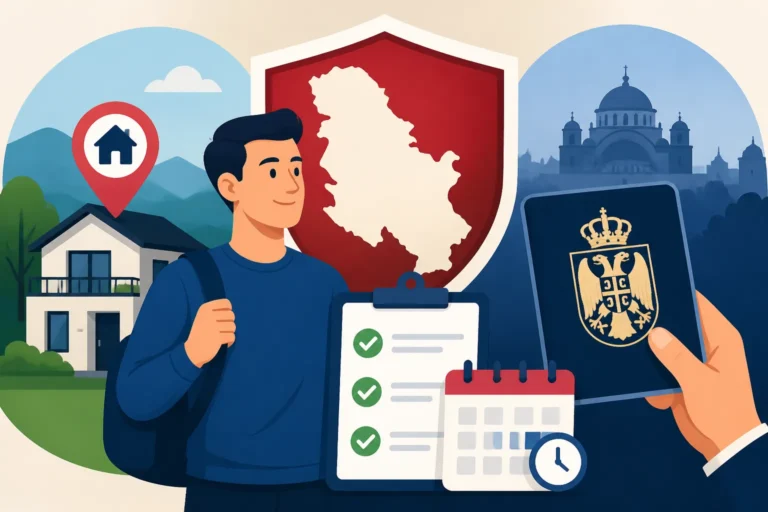
Feeling like you've finally found your footing in Serbia, perhaps you've established your life, built a community, and are now thinking about taking the ultimate step: becoming a Serbian citizen. It's a significant decision, and the path isn't always a straight line, often riddled with questions about how long it actually takes. This guide will walk you through the various timeframes and requirements for applying for Serbian citizenship, helping you understand the journey ahead.
Understanding the Path to Serbian Citizenship by Naturalisation
Naturalisation is the most common route for foreigners to acquire Serbian citizenship. It's a multi-step process that starts long before you even fill out the final application, primarily focusing on your legal residency status and your integration into Serbian society. This isn't just about ticking boxes; it's about demonstrating a genuine commitment to making Serbia your home.
The Standard Route: General Naturalisation Residency Requirements
The cornerstone of the general naturalisation process in Serbia is the requirement for a significant period of legal, continuous residency. You can’t just jump from a tourist visa to citizenship. First, you need to establish a foundation of stability here.
Generally, for standard naturalisation, you must have held The Complete Guide to Permanent Residence in Serbia (2027) for at least three continuous years immediately prior to submitting your citizenship application. Now, that phrase "permanent residence" itself implies a journey. Before you even get to permanent residence, you’ll typically spend five continuous years on How to Get Temporary Residence (Boravak) in Serbia (2027), renewing it annually based on various grounds like work, study, family reunification, or property ownership.
So, if we break it down, the minimum de facto time from initially arriving and gaining temporary residence to being eligible to apply for citizenship via this route is roughly eight years. That's five years of temporary residence, followed by three years of permanent residence. Each of these steps requires its own set of applications, documents, and approvals, making it a marathon, not a sprint. The continuity part is crucial – any significant breaks in your residence status could reset the clock, so make sure you understand How to Renew Your Temporary Residence in Serbia diligently.
Proving Integration: Language, Culture, and Loyalty
Beyond just the time spent on paper, the Serbian state wants to see that you've genuinely integrated. This isn't always about a formal test, but rather a holistic assessment.
Firstly, a good grasp of the Serbian language is implicitly, if not always explicitly, expected. While there isn't a mandatory B1 or B2 certificate requirement for all naturalisation applications, having a conversational level of Serbian is vital. How else will you navigate daily life, understand public services, or truly connect with the culture? It demonstrates your serious intent to settle and participate in society. Imagine trying to explain your life story or your commitment to a new country without being able to articulate it in the local tongue. It's tough, right?
Secondly, demonstrating an understanding of Serbian culture, history, and legal system is also important. This comes naturally as you live here, engage with people, watch local news, and generally participate. It’s about more than just knowing a few facts; it's about respecting the customs and values.
Finally, you’ll need to make a written statement declaring Serbia as your own country and committing to its legal order. This isn't just a formality; it's a pledge of loyalty. For most expats, this commitment grows organically as they put down roots, contribute to the local economy, and build their lives here.
The Application Process: Documentation and Bureaucracy
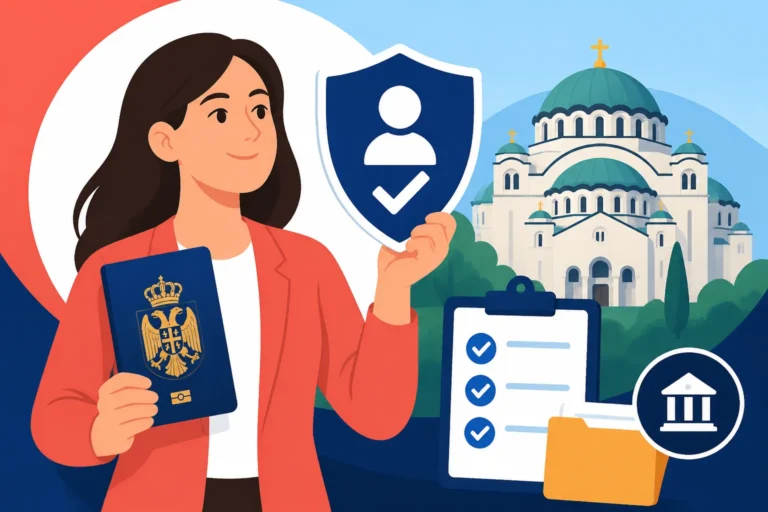
Ah, bureaucracy, the familiar friend (or foe) of every expat! The application for Serbian citizenship itself is handled by the Ministry of Interior (MUP), and it requires a substantial dossier of documents. You'll need:
- Proof of Identity: Valid passport, birth certificate (apostilled and translated).
- Proof of Residence: Your temporary and permanent residence cards, along with records proving continuous residency.
- Proof of Income: Documents showing you have a stable source of income in Serbia, demonstrating self-sufficiency.
- Police Clearance Certificates: From both your home country and Serbia, showing a clean record.
- Marriage Certificate: If applying based on marriage to a Serbian citizen.
- Declaration of Loyalty: Your written statement of commitment to Serbia.
- Proof of Address: Your Prijava Boravka, which is your registered address with the police. Understanding How to Register Your Address (Prijava) with the Police in Serbia is an early and crucial step in your long-term residency.
- Other Supporting Documents: Depending on your specific case, this could include educational diplomas (especially if applying under special merit), work contracts (perhaps tying into The Expat Guide to the Single Permit for Work and Residence in Serbia (2027)), or business registration documents if you're an entrepreneur.
Every single foreign document will need to be apostilled or superlegalised (depending on the country of origin) and officially translated into Serbian by a certified court interpreter. This process itself can be time-consuming and costly. Think about it: gathering these documents from different countries, getting them certified, and then translated. It requires meticulous planning and a budget.
Alternative Pathways and Shorter Timeframes
While the general naturalisation route is the most common, Serbia does offer a few alternative paths that can shorten the time significantly, depending on your personal circumstances. These are designed to integrate individuals who have a direct link to Serbia or offer something valuable to the country.
Citizenship Through Marriage: The Faster Lane
If you've found love and tied the knot with a Serbian citizen, your path to citizenship can be considerably shorter. This is one of the most common accelerated routes for many expats.
To apply for Serbian citizenship through marriage, you must meet two primary criteria:
- You must have been married to a Serbian citizen for at least three years. This isn't just about having the wedding certificate; the marriage must be genuine and continuous. Authorities do scrutinize these applications to prevent marriages of convenience. They want to see a real shared life, so be prepared to show proof of cohabitation, shared finances, and a bona fide relationship.
- You must have held continuous temporary residence in Serbia for at least one year before submitting your application. This means you need to be living physically in Serbia as a resident, not just visiting.
So, in essence, if you're married to a Serbian citizen, the minimum timeframe to apply for citizenship could be as short as three years of marriage plus one year of residence. Compared to the eight years for general naturalisation, this is a significant advantage. The documents required will be similar to the general naturalisation, with the addition of your marriage certificate, your spouse's Serbian ID, and potentially other proofs of your shared life. Remember, establishing Family and Dependent Residence in Serbia: Bringing Your Loved Ones (2027) is the usual first step in this journey.
Citizenship for Persons of Serbian Descent or Special Merit
Serbia, like many countries, has provisions for individuals with strong ties to the nation, either through heritage or extraordinary contributions.
-
Persons of Serbian Descent: If you can prove Serbian ancestry, the residency requirements for citizenship can often be waived or significantly reduced. This is primarily aimed at the large Serbian diaspora around the world. The exact requirements vary depending on how far back your Serbian lineage goes and the documentation you can provide (birth certificates of parents, grandparents, etc.). This route is about re-establishing a connection rather than starting from scratch.
-
Citizenship by Special Merit: This is a much rarer and more exclusive pathway. The Serbian government can grant citizenship to foreigners whose admission to citizenship would be of "special interest to the Republic of Serbia." This usually applies to individuals who have made significant contributions to Serbia in areas such as science, culture, sport, economics, or other fields. Think world-renowned athletes, prominent scientists, or major foreign investors who bring substantial benefits to the country. In these cases, the usual residency requirements can be completely bypassed. This is decided on a case-by-case basis by the government and is not a standard route for most expats. While it's certainly an option for some, it's not something the average expat can rely on.
These alternative routes highlight that while the standard path to citizenship is long, specific connections or contributions to Serbia can certainly expedite the process.
Navigating the Complexities: What to Expect
Applying for citizenship in a foreign country is never a simple "submit and forget" affair. It's a journey filled with administrative hurdles, waiting games, and the constant need to ensure your documentation is flawless. Understanding the realities of the process in Serbia can help you manage your expectations.
The Reality of Waiting Times and Approvals
While the law stipulates minimum residency periods, the actual processing time for a citizenship application can be quite variable and often lengthy. Don't expect a quick turnaround once you've submitted your documents. The authorities conduct thorough background checks, review all your submitted paperwork, and often require additional information or interviews.
It's not uncommon for the process to take anywhere from a few months to over a year after you submit the complete application. Patience is truly a virtue here. You might find yourself in limbo for a while, so make sure all your existing permits, like your permanent residence card, are valid and won't expire during this period. Remember, continuous legal status is paramount.
You might be thinking, "What if I get sick during this time?" It's crucial to understand How Serbia's Health System Works: The RFZO and Private Care Explained. While your citizenship application is pending, your healthcare access will depend on your existing residence status and health insurance. Many expats choose to have robust private health insurance, like a plan from Cigna Global, especially during these transitional periods, to ensure comprehensive coverage regardless of administrative delays.
Maintaining Your Status While Awaiting Citizenship
Perhaps one of the most stressful parts of this long journey is ensuring you remain legally compliant while your citizenship application is being processed. It’s easy to assume that once the citizenship papers are in, your existing residence permits don’t matter as much. Do not make this mistake.
You must continue to maintain your current legal residency status – whether it's temporary or permanent residence – until you receive official notification that your citizenship has been granted. This means continuing to renew your residence permits on time, even if you feel like you're "almost there." Any lapse in your legal status can lead to your citizenship application being denied or significantly delayed. Always keep track of your permit expiry dates and start the renewal process well in advance. Losing your permanent residence would set you back immensely in your quest for citizenship.
Understanding the Implications of Serbian Citizenship
Becoming a citizen of Serbia comes with a new set of rights and responsibilities. It’s a profound shift in your legal standing.
As a Serbian citizen, you gain:
- Full Political Rights: The right to vote and to run for public office.
- Unrestricted Residence and Work: No more renewing permits or worrying about employment ties. You have the full right to live and work in Serbia indefinitely.
- A Serbian Passport: This allows you visa-free travel to a significant number of countries.
- Full Access to Public Services: Including healthcare through the RFZO (if not already fully covered), education, and social benefits, just like any other Serbian citizen.
On the flip side, you also acquire responsibilities:
- Obligation to Obey Serbian Laws: This is obvious, but now you're fully under the national legal framework.
- Tax Obligations: Your tax residency might solidify, and you'll be fully integrated into The Complete Guide to Taxes in Serbia for Expats (2027).
- Military Service (for males): While conscription is currently suspended in Serbia, historically it has been a responsibility for male citizens. If it were ever reinstated, it would apply to naturalized citizens as well, though there are often exemptions for those naturalized at an older age or with other citizenships.
It’s crucial to understand these implications and how they might affect your life and any ties to your country of origin.
Key Considerations Before Applying
Before you embark on the lengthy and often complex journey towards Serbian citizenship, there are several vital factors you need to consider. These will not only impact your eligibility and the application process but also your long-term life decisions.
Dual Citizenship: Is It Allowed?
One of the biggest questions for many expats is whether they will have to give up their original citizenship. The good news is that Serbia generally allows dual citizenship. This means that in most cases, you can become a Serbian citizen without having to renounce your previous nationality.
However, there's a crucial caveat: your country of origin's laws on dual citizenship are equally important. Some countries do not permit their citizens to hold another nationality and may automatically revoke your original citizenship if you acquire Serbian citizenship. For example, if you are from a country that strictly forbids dual citizenship, you might be forced to choose.
So, while Serbia itself is often flexible, it's imperative to research your own country's laws thoroughly. Don't just assume. Consulting with an immigration lawyer who understands both Serbian law and international citizenship laws can be invaluable here. They can help you navigate the potential complexities and ensure you make an informed decision that aligns with your long-term goals.
The Role of Legal Assistance
Navigating the intricacies of immigration law in any country can be daunting, and Serbia is no exception. While some people successfully manage the process themselves, hiring a reputable immigration lawyer can significantly streamline your application and reduce stress.
Here’s why legal assistance can be beneficial:
- Expert Knowledge: Lawyers are up-to-date with the latest laws, regulations, and any changes in application procedures.
- Document Preparation: They can help you compile the extensive list of documents, ensure everything is correctly apostilled/superlegalised and translated, and identify any missing pieces before submission. This is critical in avoiding delays.
- Case Management: They can liaise with the MUP on your behalf, respond to any requests for additional information, and track the progress of your application.
- Troubleshooting: If your application encounters any issues or is denied, a lawyer can help you understand the reasons and advise on the best course of action, including appeals.
- Personalised Advice: Every individual's situation is unique. A lawyer can provide tailored advice based on your specific circumstances, particularly regarding dual citizenship or any special merit claims.
Finding a good English-speaking lawyer in Belgrade or Novi Sad who specialises in immigration is a worthwhile investment, especially when you're dealing with something as important as your long-term status.
Financial and Administrative Preparedness
Beyond the emotional investment, acquiring Serbian citizenship also requires a significant financial and administrative commitment. This isn't just about the application fee itself, but the cumulative costs associated with the entire process.
Consider these expenses:
- Application Fees: There are government fees for both the permanent residence application (which comes before citizenship) and the citizenship application itself. These fees can change, so always check the latest amounts with the MUP or your lawyer.
- Document Costs: Fees for obtaining original birth certificates, marriage certificates, police clearances from your home country, and the costs for apostille/superlegalisation services.
- Translation Costs: Official translations by certified court interpreters are mandatory for all foreign documents. These costs add up, especially if you have numerous pages.
- Legal Fees: If you opt for legal assistance, these will be a significant part of your overall expenditure, but often a very valuable one.
- Travel Costs: You might need to travel to your home country's embassy or consulate in Serbia, or even back home, to obtain certain documents.
- Ongoing Living Costs: Remember, you'll be living in Serbia for many years while you meet the residency requirements. This includes rent, utilities, food, and other daily expenses. Think about how Sirelo helps people move their lives and establish themselves; the citizenship journey is the ultimate form of settling in.
Having a stable financial foundation throughout this entire multi-year process is not just a requirement for proving self-sufficiency to the authorities, but it's also essential for your peace of mind. Be prepared for a long haul, both administratively and financially.
| Citizenship Pathway | Minimum Residency Requirement (pre-application) | Key Additional Criteria | Potential Dual Citizenship |
|---|---|---|---|
| General Naturalisation | 3 years of Permanent Residence (usually preceded by 5 years of Temporary Residence) | Age 18+, Renunciation of previous citizenship (with exceptions), Declaration of loyalty, Integration (language, culture) | Generally allowed by Serbia (check your home country's laws) |
| Marriage to Serbian Citizen | 1 year of continuous Temporary Residence + 3 years of genuine marriage | Age 18+, Genuine marriage to a Serbian citizen, Declaration of loyalty | Generally allowed by Serbia (check your home country's laws) |
| Serbian Descent | Often no specific residency requirement | Proof of Serbian ancestry, Declaration of loyalty | Generally allowed by Serbia (check your home country's laws) |
| Special Merit | No specific residency requirement | Significant contribution to Serbia (science, culture, sport, economy), Government decision | Generally allowed by Serbia (check your home country's laws) |
Disclaimer
The information provided in this article is for general guidance only and does not constitute legal advice. Immigration laws and regulations in Serbia can change. It is highly recommended to consult with the official Ministry of Interior (MUP) or a qualified immigration lawyer in Serbia for advice tailored to your specific situation before making any decisions related to residence permits or citizenship.