Can I Apply for a Serbian Passport After Naturalisation?
After a long and often challenging journey through temporary and permanent residence, the moment you finally receive your Serbian citizenship by naturalisation is truly monumental. It's a huge milestone, a testament to your commitment to this beautiful country. But holding that citizenship certificate isn't the final step; many new citizens then wonder, "What's next? How do I get my actual Serbian passport?" This guide is here to walk you through that exciting final stage, ensuring you understand exactly how to claim your new identity document.
The Path from Naturalisation to Passport Eligibility
Congratulations! You've navigated the administrative maze and are now officially a citizen of Serbia. This is a moment to savour, a significant achievement that opens up a world of new possibilities. But while the citizenship decision is made, obtaining your passport is a distinct, albeit straightforward, administrative procedure that formalises your new status in a practical, travel-ready document.
Confirming Your Serbian Citizenship Status
Before you even think about the passport, the first crucial step is ensuring your naturalisation is fully processed and recorded. Typically, once your application for Serbian citizenship is approved, you'll receive an official decision and a citizenship certificate, known as "Rešenje o prijemu u državljanstvo Republike Srbije" and "Uverenje o državljanstvu." This certificate is your absolute proof of citizenship. Hold onto it dearly! It confirms that you have successfully completed the long process, often spanning years of maintaining your The Complete Guide to Permanent Residence in Serbia (2027) and meeting the stringent Understanding the Residency Requirement for Serbian Citizenship.
It's common for there to be a slight lag between receiving your citizenship certificate and your data being fully updated in all relevant government databases, particularly at your local Ministry of Interior (MUP) office where passports are issued. While this period is usually short, a week or two, it’s always wise to ensure everything is settled. Sometimes, new citizens, eager to get their hands on their passport, rush to the MUP only to be told their details aren't yet in the system. A little patience here can save you a wasted trip and unnecessary frustration. Once you have that certificate, you are unequivocally a citizen, and the passport is simply the next logistical step.
The Legal Framework for Passport Issuance
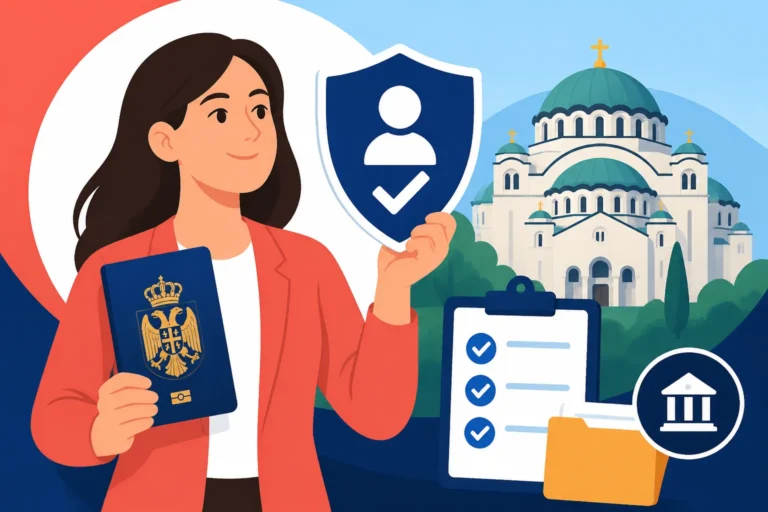
Under Serbian law, once you are a citizen, you have the right to be issued a Serbian passport. The passport acts as your primary identification document and proof of citizenship for international travel. The legal basis for issuing passports falls under the Law on Travel Documents (Zakon o putnim ispravama). This law outlines the conditions, procedures, and required documents for all citizens to obtain a passport, whether it's their first one after naturalisation, a renewal, or a replacement.
What's important for naturalised citizens to understand is that the process is generally the same as for any other Serbian citizen. There are no special "naturalised citizen" passports; you're simply applying for your first travel document as a Serbian national. This also means you'll be subject to the same requirements for photographs, fingerprints, and personal data verification. The system is designed to be universal once your citizenship is established, which simplifies things considerably after the complexities of Serbian Citizenship: How to Naturalise After Permanent Residence (2027). It’s a moment where you truly feel integrated into the system, no longer navigating as a foreigner, but as a recognized part of the Serbian community.
Essential Steps for Your Serbian Passport Application
Now that your citizenship is confirmed, it's time to gather your documents and prepare for the actual passport application. This process is handled by the Ministry of Interior (MUP), specifically at the police stations with a department for administrative affairs.
Gathering Required Documentation
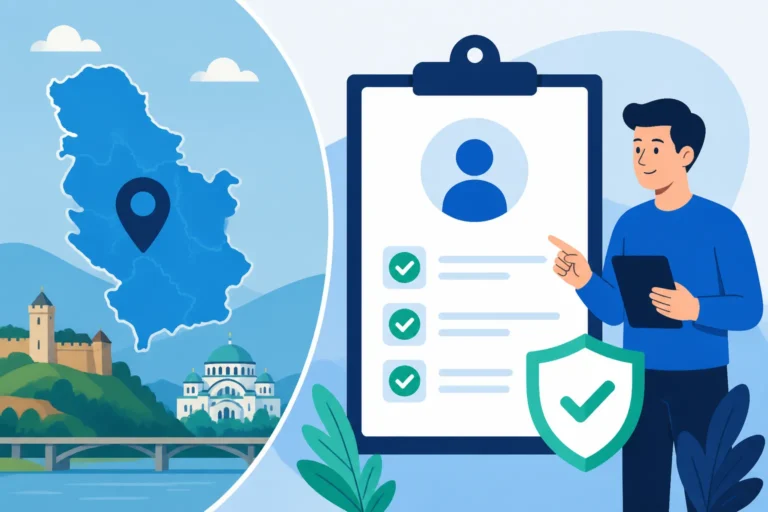
Even though you’ve just gone through a mountain of paperwork for naturalisation, there are still specific documents you’ll need for your passport application. The good news is that much of what you already have will be relevant. Here's a comprehensive list of what you should prepare:
- Your Serbian Citizenship Certificate (Uverenje o državljanstvu Republike Srbije): This is the star of the show, your official proof that you're now a citizen. The original is always required.
- Birth Certificate (Izvod iz matične knjige rođenih): Even if you submitted this for naturalisation, you'll need the original for the passport application. This document confirms your personal data at birth.
- Marriage Certificate (Izvod iz matične knjige venčanih), if applicable: If you've married and changed your surname, or if your citizenship was granted through marriage, this is essential.
- Previous Foreign Passport: If you hold another nationality and passport, bring it. While Serbia generally permits Does Serbia Allow Dual Citizenship?, they'll want to see your existing travel documents.
- Valid Identification Document from your previous country (if you still have one): This might be requested for identity verification if your data hasn't fully propagated yet.
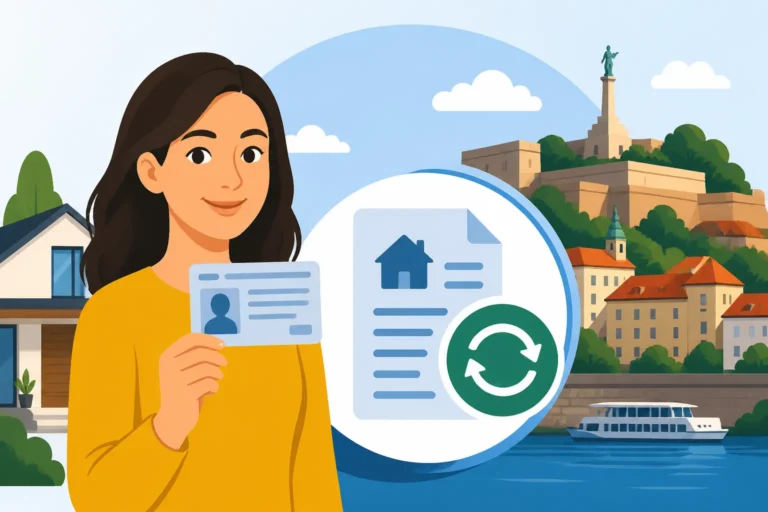
- Old Serbian Identity Card (Lična Karta), if you have one: If you previously obtained a Serbian ID card during your permanent residency, bring it. If not, don't worry, you can apply for both the ID card and passport simultaneously. It's often recommended to apply for the Lična Karta first, as it's an easier process and sometimes faster, then use that ID card to apply for the passport.
- Proof of Paid Fees: There are administrative fees for the passport itself. These are typically paid at a post office (Pošta Srbije) or bank using payment slips (uplatnice), which you can get at the MUP office or download from the MUP website. The fees usually consist of one part for the passport issuance and another for administrative taxes.
- Proof of Registered Address (Prijava Boravka): You will need proof that your address is registered. This usually comes from the MUP when you do your initial How to Register Your Address (Prijava) with the Police in Serbia. If you’ve moved, make sure your address is updated.
- Old Passport (if renewing): While this is your first Serbian passport, if you previously had a Serbian passport (e.g., as a minor, or if you had temporary citizenship that was later confirmed), bring the expired one for cancellation.
- Photographs: For Serbian passports, photographs are typically taken digitally at the MUP office during your appointment. You usually don't need to bring your own. However, it’s always a good idea to confirm this with your local MUP or check their website, as procedures can occasionally vary.
This extensive list underscores the MUP's meticulous approach to identity verification, which, while sometimes tedious for us expats, ensures the security and integrity of the documents. Remember to bring originals and a few photocopies of everything, just in case.
Scheduling and Attending Your Appointment
Applying for a Serbian passport requires a visit to the MUP, specifically the department for administrative affairs (Uprava za upravne poslove) in your municipality. In larger cities like Belgrade, there are several locations. For instance, in Belgrade, the main MUP for passports and ID cards is often referred to as "29. novembar" (though its official address is Ljermontova 12a), but many local police stations also have administrative departments.
You have a couple of options for scheduling your appointment:
- Online Booking: The Ministry of Interior website (mup.gov.rs) offers an online portal where you can book an appointment slot. This is often the most convenient way, as it allows you to choose a date and time that suits you and avoids long queues. Be prepared to navigate the site in Serbian, or have a friend help you.
- In-Person Queue (walk-in): While less recommended for efficiency, you can also go to the MUP in person and wait in line. Be warned, especially in larger cities, this can mean very long waits, starting from early morning. Some expats have reported arriving before dawn to get a good spot in the queue.
On the day of your appointment, arrive punctually with all your meticulously prepared documents. The process typically involves:
- Document Submission: Your documents will be reviewed by an officer. They will check your citizenship certificate and other papers.
- Biometrics: Your fingerprints will be digitally scanned, and your photograph will be taken directly at the counter. This is why you usually don't need to bring your own photos.
- Signature: You will sign a digital pad.
- Verification and Confirmation: The officer will enter your data into the system and provide you with a confirmation slip, which indicates when your passport should be ready for collection.
The experience can vary. Some MUP offices are efficient and modern, while others might feel a bit more… "traditional" in their approach. A friendly smile and a few basic Serbian phrases, even just "Dobar dan" (Good day) and "Hvala" (Thank you), can go a long way in making the interaction smoother.
Understanding Fees and Processing Times
The costs associated with obtaining your Serbian passport are relatively low compared to many Western countries. The exact amounts can change, so it’s always best to check the latest fees on the official MUP website or inquire at your local post office. As of my last check, the fees typically amount to around 3,600 RSD for the passport booklet and administrative tax, but confirm this. You will need to pay these fees at a post office or bank using pre-filled payment slips before your MUP appointment. Make sure to keep the proof of payment (the stamped slips).
The processing time for a standard passport application is usually 7 to 15 working days. In some cases, especially in less busy municipalities, it can be quicker. However, in busy periods or larger cities, it might lean towards the longer end of that spectrum. There is an expedited procedure available for urgent cases, but this comes with a significantly higher fee and requires proof of urgency (e.g., an urgent medical trip, a job offer requiring immediate travel). Most naturalised citizens applying for their first passport will go through the standard procedure.
Once your passport is ready, you'll be notified, or you can check the status online with the tracking number provided on your confirmation slip. You then return to the same MUP office to collect it, usually without an appointment, by simply showing your confirmation slip and identity.
Embracing Your New Identity: Benefits of a Serbian Passport
Receiving your Serbian passport is a tangible symbol of your new status and opens up numerous doors, both domestically and internationally. It's more than just a travel document; it signifies full integration and access to rights and services previously unavailable.
Travel Freedoms and International Recognition
One of the most immediate and exciting benefits of a Serbian passport is the increased ease of international travel. As of early 2024, the Serbian passport offers visa-free or visa-on-arrival access to over 130 countries and territories worldwide. This includes the entire Schengen Area in Europe, Russia, China, and many countries in Asia, Africa, and South America. This is a huge advantage for global nomads and those with family spread across different continents. No more tedious visa applications for short trips to EU countries! You can simply pack your bags and go.
This level of global access can significantly impact your lifestyle and career opportunities, allowing for spontaneous travel and easier business ventures. Many expats choose Serbia for its geographical position and this very freedom of movement. It truly offers a blend of East and West, reflected in its international relations and travel agreements.
Practical Advantages within Serbia
Beyond travel, your Serbian passport, combined with your national ID card (Lična Karta), grants you full access to all rights and services as a Serbian citizen. This means:
- Voting Rights: You can now participate in national and local elections, having a say in the country's future.
- Full Social Security and Healthcare: Your access to the public healthcare system via the RFZO becomes undisputed, and you're fully integrated into the pension system. While you might have had access during permanent residence, citizenship solidifies this. For specific healthcare needs, especially during the transition, some expats opt for additional private coverage like Cigna Global to ensure comprehensive care.
- Easier Banking and Financial Services: Opening bank accounts, securing loans, and engaging in other financial activities become much smoother. Banks will no longer consider you a "foreign client," which can simplify processes. For any larger financial planning or if you need to transfer substantial funds into Serbia, banks like Raiffeisen Bank or Banca Intesa are often expat-friendly.
- Property Ownership: While foreigners can own property in Serbia, citizenship removes any remaining bureaucratic hurdles and ensures unrestricted ownership rights. If you're considering buying, you'll want to check out How to Buy Property in Serbia as a Foreigner: The Full Guide (2027).
- Employment Opportunities: While not directly tied to the passport itself, being a citizen means you no longer require work permits or a single permit, opening up all employment sectors without restriction.
- Simplified Administration: Many everyday administrative tasks, from registering a business to dealing with the Filing Your Tax Return with the Poreska Uprava in Serbia: The Complete Walkthrough (2027), often become less complex once you are a citizen.
These benefits translate to a deeper sense of belonging and stability, removing many of the subtle (and not-so-subtle) barriers that foreigners often encounter.
Navigating Dual Citizenship Considerations
Serbia generally allows dual citizenship. This means that if your country of origin also permits it, you typically won't be required to renounce your previous nationality upon becoming a Serbian citizen. This is a significant advantage for many expats, allowing them to maintain ties and rights in their home country while fully embracing their new life in Serbia.
However, it's crucial to understand the implications:
- Your Original Country's Laws: Always verify your original country's stance on dual nationality. Some countries automatically revoke citizenship if you naturalise elsewhere.
- Travel and Entry: When travelling to your country of origin, it's usually best to use that country's passport. When entering or exiting Serbia, use your Serbian passport. When travelling to third countries, you can generally choose which passport to use, keeping in mind visa requirements for each. For an in-depth look, see [[Understanding Dual Citizenship and Travel]].
Managing two passports requires a bit of awareness, but for most, it's a seamless and beneficial arrangement. It provides a unique flexibility and security, knowing you have a "backup" and extended rights in two different nations.
Pro Tips and Potential Hurdles for Expats
Even the most straightforward administrative tasks in a foreign country can throw unexpected curveballs. Having navigated this path myself, I’ve picked up a few insights that might help smooth your passport application process.
What to Expect at the Police Station
The MUP offices, particularly in larger cities, can be busy, bustling places. While things have improved significantly over the years with online booking systems, it's still a government institution. Here's what you might encounter:
- Language Barrier: While some MUP officers, especially in Belgrade, might speak a bit of English, it's not guaranteed. Having a Serbian-speaking friend, a trusted translator, or even using a translation app on your phone can be invaluable. Don't underestimate the power of clear communication when dealing with official documents.
- The "One More Document" Syndrome: Expats often joke about the phenomenon of being asked for "just one more document" that wasn't on the initial list. While rare for a passport application where requirements are clear, it's why I always recommend bringing all related documents you can think of (birth certificates, marriage certificates, previous ID cards) and their copies. Better to have it and not need it.
- Patience is a Virtue: Sometimes, the system is slow. Sometimes, the officer is having a bad day. Sometimes, your data hasn't fully synced. Take a deep breath. A calm and polite approach, even in the face of bureaucracy, almost always yields better results. Remember your journey to How to Move to Serbia Legally from Abroad (2026) was long; this is just the final sprint.
- Digitalisation is Progressing: Serbia is making strides in digitalising its public administration. The ePorezi portal for taxes is one example, and online MUP services are improving. Embrace these tools where possible to streamline your experience.
Common Pitfalls and How to Avoid Them
Knowing where others have stumbled can help you avoid the same fate:
- Incomplete Documentation: This is the most common reason for delays. Double-check your list against the MUP website's official requirements. Ensure all documents are originals, and have copies ready. For any documents originating outside Serbia, they generally need to be apostilled and officially translated into Serbian by a sworn court translator in Serbia – a step you'll be well familiar with if you've done your How Do I Get My Documents Apostilled for a Serbia Visa?.
- Unpaid Fees: Make sure the payment slips (uplatnice) are filled out correctly and stamped by the bank or post office. Incorrect amounts or missing stamps will result in rejection.
- Outdated Address Registration: Your official address (prijava boravka) must be current. If you’ve moved, update it before applying for your passport.
- Expired ID: If you have an existing Serbian ID card, ensure it hasn't expired before you use it as supplementary identification for your passport application. The good news is that if it's expired, you can usually apply for a new ID card and passport simultaneously, or one after the other in quick succession.
- Rushing the Process: While the 7-15 day processing time is generally accurate, don't book international travel for the day after the earliest possible collection date. Give yourself a buffer.
To make things easier, consider hiring a local agent or legal professional if you're uncomfortable with the language or the administrative nuances. While it adds to the cost, it can save you significant time and stress. For those who used professional assistance during their initial relocation with services like Sirelo for moving, extending that assistance to the final administrative steps can be a worthwhile investment. They can help with everything from filling out forms to attending appointments with you, ensuring a smooth process.
Ultimately, obtaining your Serbian passport after naturalisation is a proud moment and the culmination of a significant chapter in your expat life. With careful preparation and a bit of patience, you'll soon be holding that little red book, ready to explore the world as a proud Serbian citizen.
Disclaimer
The information provided in this guide is intended for general informational purposes only and does not constitute legal, financial, or immigration advice. While we strive to keep the information up-to-date and accurate, laws, procedures, and fees in Serbia can change frequently. We strongly recommend consulting with official Serbian government sources (such as the Ministry of Interior website), legal professionals, or immigration experts for the most current and personalised advice regarding your specific situation. Reliance on any information in this guide is solely at your own risk.