How Do I Apply for Serbian Citizenship?
Applying for Serbian citizenship might seem like a daunting bureaucratic maze, a process that can truly test your patience and commitment. Many of us expats have navigated the complexities of residency and work permits, only to find that citizenship adds another layer of intricate paperwork and requirements. This guide aims to demystify the journey, breaking down the pathways and practical steps to help you understand how you might become a Serbian citizen, offering a realistic look at what to expect.
Understanding the Path to Serbian Citizenship
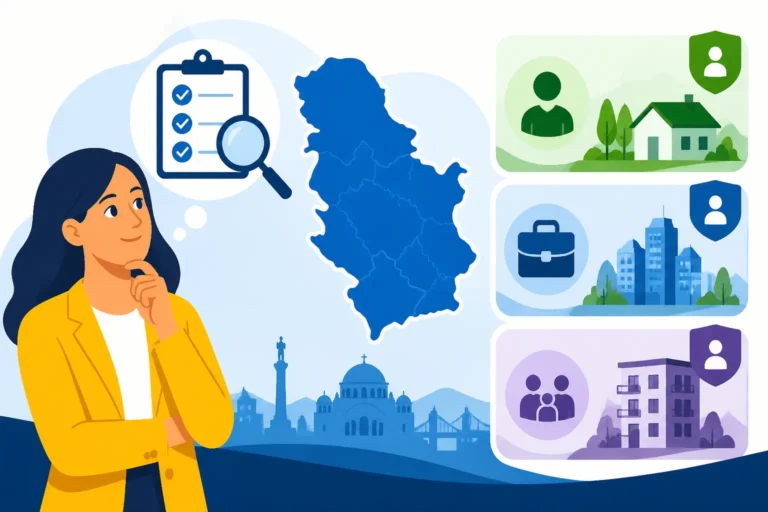
Becoming a citizen of Serbia is a deeply personal and significant step, marking a profound commitment to your adopted home. It’s not just about getting a new passport; it's about formalising your place within Serbian society. While the process can feel intimidating, especially with language barriers and the often-unpredictable pace of bureaucracy, there are clear pathways available. Generally, the most common routes involve naturalisation after a period of residence, but options also exist for those with Serbian heritage or who are married to a Serbian citizen. Each route has its specific set of criteria and challenges, so understanding them thoroughly is your first crucial step.
Citizenship by Naturalisation: The Most Common Route for Expats
For many expats, naturalisation is the primary path to Serbian citizenship. This route is typically available to individuals who have lived in Serbia for a significant period, demonstrating a stable and integrated life within the country. The standard requirement for regular naturalisation is a continuous period of at least 10 years of permanent residence in Serbia. Yes, you read that right – ten years. This isn't just temporary residence; it's about holding the permanent resident status for a decade, which itself requires a preceding period of temporary residence.
Beyond the residency duration, you’ll need to prove that you’ve integrated into Serbian society, have a stable source of income, and are of good character, meaning no serious criminal record. This path truly reflects a long-term commitment. However, there are exceptions for reduced residency periods under certain conditions. For instance, if you are married to a Serbian citizen, the permanent residency requirement can be significantly shortened. It’s a process that demands foresight and diligent record-keeping from your very first days here. Understanding The Complete Guide to Permanent Residence in Serbia (2027) is absolutely essential before you even start dreaming of citizenship, as it lays the groundwork for everything that follows.
Citizenship by Descent: For Those with Serbian Roots
If you have Serbian ancestry, the path to citizenship might be a little less about time spent on Serbian soil and more about proving your family lineage. This route is specifically designed for individuals whose parents or even grandparents were Serbian citizens or of Serbian ethnicity. The laws are fairly inclusive, allowing applications from those who can demonstrate a direct bloodline.
To pursue citizenship by descent, you'll need a robust collection of documents. This typically includes your birth certificate, the birth certificates of your parents, and potentially those of your grandparents, along with their marriage certificates, all serving as proof of your connection to Serbia. These documents must clearly establish your lineage and the Serbian citizenship or ethnic Serbian background of your ancestors. The challenge here often lies in obtaining historical documents, especially if your family left Serbia generations ago or if records are difficult to trace. It's a journey into your family's past, and having these official papers properly translated and legalised is paramount.
Citizenship by Marriage: A Faster Track But Not a Guarantee
Marrying a Serbian citizen can indeed offer a faster route to citizenship compared to general naturalisation, but it’s crucial to understand that it’s not an automatic grant of citizenship. Many people assume a wedding ring instantly unlocks a Serbian passport, and while it does simplify things, there’s still a significant process involved. The key requirement for spouses of Serbian citizens is to have resided continuously in Serbia for at least three years after obtaining permanent residence (which itself typically follows a period of temporary residence). This means you still need to go through the proper immigration channels, securing your temporary and then permanent residence based on family reunification.
The Serbian authorities want to ensure that the marriage is genuine and stable, not merely a means to obtain citizenship. You might be asked for evidence of a shared life, such as joint bank accounts, utility bills in both names, or even photos from your wedding and daily life together. This demonstrates a true integration into Serbian family and social life, rather than a superficial arrangement. It's a wonderful pathway for those building a life with a Serbian partner, but it demands patience and transparent documentation throughout your residency. Remember, the journey towards permanent residence in Serbia is a prerequisite, so focus on that first.
The Application Process: Step-by-Step
Once you've determined which route to Serbian citizenship is applicable to your situation, the next phase is tackling the application process itself. This is where the real administrative marathon begins, demanding meticulous attention to detail, patience, and often, multiple trips to various government offices. The Ministry of Interior (Ministarstvo unutrašnjih poslova or MUP), specifically its department for administrative affairs (Odeljenje za upravne poslove), is where most of this journey will take place. This is also where Understanding Document and Translation Requirements for Serbia Immigration becomes absolutely invaluable, as correct presentation of your paperwork can make or break your application.
Gathering Your Documents: The Paperwork Marathon
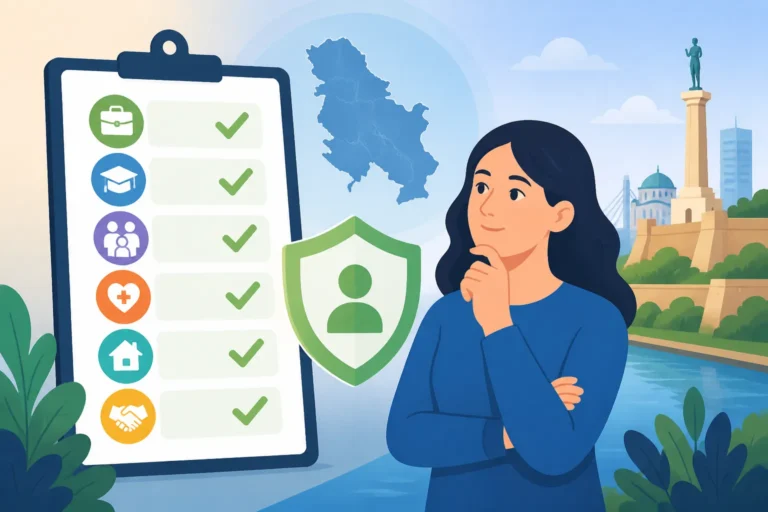
Ah, the document gathering! This is often the most time-consuming and frustrating part of any immigration process in Serbia, and citizenship is no exception. You'll need to prepare a comprehensive dossier of personal and financial records. While the exact list can vary slightly depending on your chosen route (naturalisation, descent, or marriage), some core documents are almost universally required:
- Birth Certificate: Your original birth certificate, translated and apostilled/legalised.
- Marriage Certificate: If applying through marriage, your original marriage certificate (also translated and apostilled/legalised).
- Proof of Serbian Residence: This means your temporary residence permits (boravak), followed by your permanent residence permit card. This demonstrates your continuous legal stay in the country.
- Proof of Financial Stability: Documents showing a stable income source in Serbia, such as employment contracts, bank statements, or business registration documents if you're self-employed. This is where showing a comprehensive health insurance plan from providers like Cigna Global can add another layer of proof of your stable life planning and responsible integration.
- Police Clearance Certificate: From your home country and from Serbia, confirming no serious criminal record. This might require an apostille from your home country.
- Proof of Renunciation (if applicable): If your home country's laws require you to renounce your previous citizenship upon acquiring another, you'll need proof that you've initiated or completed this process.
- Curriculum Vitae (CV): A detailed CV outlining your education, work history, and activities in Serbia.
- Passport-sized Photographs: Usually two, conforming to Serbian official document standards.
- Serbian Language Proficiency: While not always a formal certificate requirement for all routes, demonstrating a basic understanding of Serbian is often expected for naturalisation and can be assessed informally during interviews.
- Application Form: Duly completed in Serbian.
Every single foreign document must be officially translated into Serbian by a sworn court translator (sudski tumač) and, in many cases, bear an apostille or be super-legalised, depending on the country of origin and any international agreements Serbia has. This is a crucial step that many foreigners underestimate in terms of time and cost. For those moving a treasure trove of documents from abroad, services like Sirelo can be helpful in coordinating secure international transfer of vital paperwork, ensuring everything arrives safely for translation and legalisation. Take photos of everything, scan copies, and keep them organised; you never know when you'll need to retrieve something. For complex cases, consider getting professional advice on How to Get Your Documents Apostilled for Serbia Immigration.
Submitting Your Application and the Waiting Game
Once your monumental pile of meticulously translated and legalised documents is ready, it's time for submission. You’ll typically submit your application at the local MUP office responsible for administrative affairs in your place of residence in Serbia. In larger cities like Belgrade, this might be a specific department. Be prepared for potentially long queues and ensure you have all original documents plus copies. The official will review your application, verify your documents, and you'll pay the necessary administrative fees.
An interview might be part of the process, particularly for naturalisation or marriage-based applications. This is your opportunity to demonstrate your genuine connection to Serbia, your knowledge of the country, and your commitment to becoming a citizen. While not strictly a language test, communicating effectively in Serbian during this interview is certainly a plus.
After submission, the waiting game truly begins. Government processing times in Serbia can be notoriously slow and unpredictable. It could take anywhere from several months to over a year, or even longer in some complex cases. There's no fixed timeline, and follow-ups can sometimes feel like shouting into the void. It’s important to manage your expectations and cultivate a large dose of patience. Keep copies of your submission receipt and all correspondence. For a broader context on how long such processes can take, it’s useful to reflect on Understanding the Cost and Timeline of the Serbia Residence Process, as citizenship applications often follow similar administrative rhythms.
Important Considerations and Potential Hurdles
Embarking on the journey to Serbian citizenship means more than just ticking boxes on a form; it's about a genuine commitment to a new life. As an expat who has seen many friends go through this, I can tell you there are some nuances and hurdles beyond the paperwork that you really need to consider. These often relate to personal integration, legal complexities, and demonstrating true intent.
Language and Cultural Integration
While official language proficiency tests aren't uniformly mandated for all citizenship routes, especially if you're applying by descent or marriage, demonstrating a reasonable level of Serbian language ability is highly advisable. For naturalisation, it is often an implicit expectation. The interview process, if required, will certainly highlight any significant language barrier. Beyond the formal requirements, being able to communicate in Serbian profoundly impacts your ability to integrate, access services, and truly feel at home. It shows respect for the country and its people.
Furthermore, cultural integration goes hand-in-hand with language. Understanding Serbian customs, traditions, and even the local sense of humour will make your life infinitely richer and demonstrate your commitment to becoming a part of the community. Attend local festivals, learn about Serbian history, engage with your neighbours, and embrace the vibrant local life. This isn't just about impressing immigration officials; it's about building a fulfilling life here.
Dual Citizenship and Renunciation
One of the most frequently asked questions I hear from expats considering Serbian citizenship is about dual nationality. The good news is that generally, Serbia permits dual citizenship. This means that in most cases, you won't be required to renounce your original citizenship when you become a Serbian citizen. This is a huge relief for many, allowing them to maintain ties with their home country while fully embracing their new status in Serbia.
However, there's a significant caveat: while Serbia allows dual citizenship, your country of origin might not. Some countries have strict laws that automatically revoke your citizenship if you acquire another one without prior permission or a specific agreement. It is absolutely vital that you research the laws of your original nationality thoroughly before proceeding with the Serbian citizenship application. Ignorance of your home country's laws is not a defence, and you could inadvertently lose your original citizenship. For a deeper dive into this topic, make sure to read Does Serbia Allow Dual Citizenship?. If your home country does require renunciation, you'll need to provide proof of initiating or completing this process as part of your Serbian application.
Financial Stability and Integration
To become a Serbian citizen, the authorities want to see that you are a responsible and contributing member of society. This means demonstrating financial stability and genuine integration into the Serbian economic and social fabric. Simply having enough money to live isn't always enough; they want to see that you are established.
This usually involves:
- Stable Employment: Having a secure job with a Serbian employer, proving regular income and tax contributions. This often begins with acquiring your Single Permit for Work and Residence in Serbia.
- Self-Employment/Business Ownership: If you run your own business in Serbia, this demonstrates economic contribution. You'll need to show your business registration, tax payments, and profitability. For clarity on your tax obligations, checking The Complete Guide to Taxes in Serbia for Expats (2027) is always a good idea.
- Sufficient Funds: While not explicitly a "golden visa" investment scheme, applicants must prove they can support themselves and any dependents without relying on public funds. This could involve showing substantial savings, pension income, or other stable financial resources.
Beyond just money, showing integration also means things like paying your utility bills on time, having a registered address (which you’d have done right at the start with How to Register Your Address (Prijava) with the Police in Serbia), and simply living a normal, law-abiding life here. It’s about being a positive addition to the community, not just a resident passing through.
Here's a quick overview of the main routes to Serbian citizenship:
| Citizenship Route | Key Requirement(s) | Typical Residency (Permanent) | Dual Citizenship | Key Documents |
|---|---|---|---|---|
| Naturalisation | 10 years continuous permanent residence, stable income, good character, integration | 10 years | Generally Allowed | Birth Cert, PR Card, Income Proof, Police Cert, CV |
| Marriage | 3 years continuous permanent residence as spouse of Serbian citizen, genuine marriage | 3 years | Generally Allowed | Marriage Cert, Birth Cert, PR Card, Income Proof |
| Descent | Proof of Serbian parent(s) or grandparent(s) as citizens or ethnic Serbs | N/A | Generally Allowed | Birth Certs (applicant, parents/grandparents), Lineage Proof |
| Special Interest/Merit | Exceptional contribution to Serbia (science, culture, sport, economy etc.) | Varies, often less | Generally Allowed | Ministerial proposal, proof of contribution, endorsements |
The journey to Serbian citizenship is a marathon, not a sprint, often spanning years of consistent residency and diligent adherence to administrative requirements. It's a commitment that reflects a deep connection to Serbia, its culture, and its people. While the process can be challenging, the rewards of becoming a full citizen of your chosen home are immeasurable.
Disclaimer
The information provided in this guide is intended for general informational purposes only and does not constitute legal, financial, or immigration advice. While we strive to provide accurate and up-to-date information based on our expat experience and publicly available data, laws and procedures can change rapidly. We strongly recommend consulting with a qualified Serbian immigration lawyer or a legal professional for advice tailored to your specific situation before making any decisions related to Serbian citizenship.