The Complete Visa and Immigration Guide for Relocating to Serbia (2027)
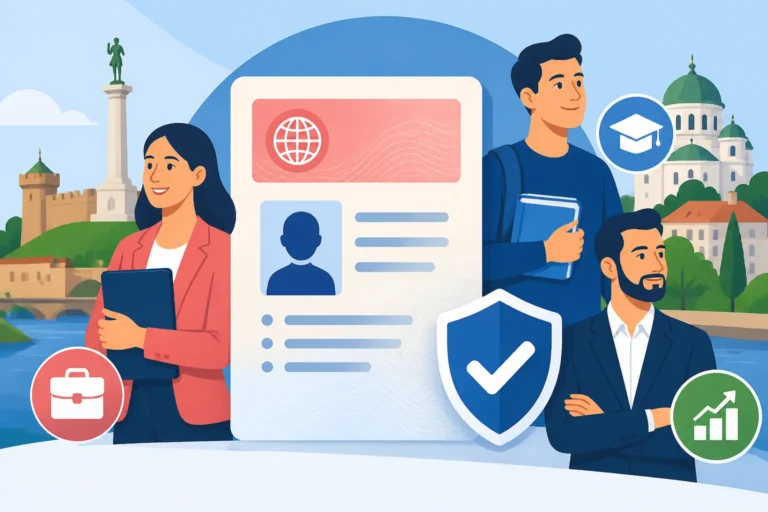
Feeling a bit overwhelmed trying to figure out how to actually move to Serbia, not just visit? Trust me, you're not alone. The journey from dreaming about life in Serbia to actually getting your feet on the ground with all the right paperwork can feel like navigating a labyrinth designed by a particularly mischievous bureaucrat. This comprehensive guide is here to untangle the complexities of Serbia's visa and immigration system, breaking down everything you need to know for a smooth relocation in 2026.
Understanding the Basics: Visa vs. Residence in Serbia
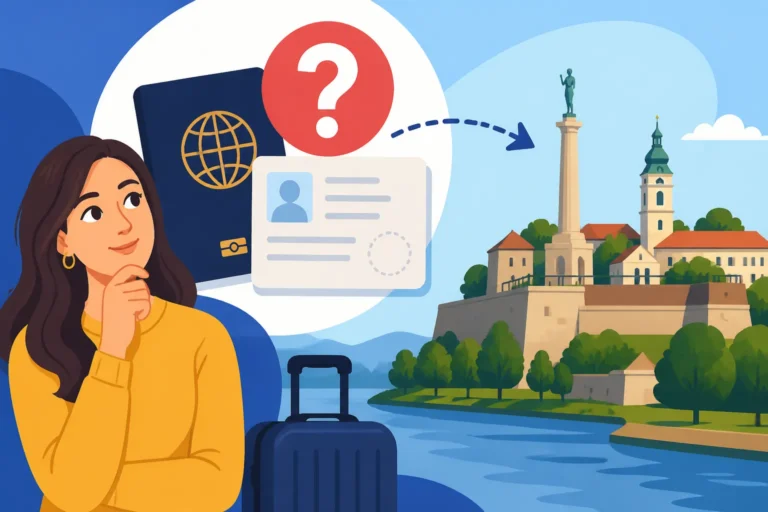
Before we dive into the nitty-gritty, let's clear up a common point of confusion: the difference between a visa and a residence permit. Many newcomers use these terms interchangeably, but in Serbia, they serve distinct purposes, and understanding this distinction is your first step towards a successful relocation. Getting this wrong can lead to delays, frustration, and even having to return to your home country to restart the process.
The Role of a Visa: Entry and Short Stays
Think of a visa as your initial pass to enter Serbia and stay for a specific, limited period. For many nationalities, Serbia offers visa-free entry for up to 90 days within any 180-day period. This is fantastic for tourists, digital nomads who aren't planning a long-term stay, or those just popping in for a business meeting. You literally just show up at the border, get a stamp, and you're good to go. However, this 90-day period is precisely that – for visits. You cannot legally work, study, or establish long-term roots on a simple tourist entry.
For those who do require a visa to enter Serbia, typically depending on your nationality, you'll apply for a "Type C" (short-stay) or "Type D" (long-stay) visa at a Serbian embassy or consulate in your home country or country of legal residence. A Type D visa, for instance, allows you to stay in Serbia for longer than 90 days but usually for a maximum of 180 days. Crucially, a Type D visa is not a residence permit; it merely allows you lawful entry and presence for the purpose of applying for a temporary residence permit once you're inside Serbia. It’s like a ticket to get into the stadium so you can then apply for a season pass. Without this Type D visa, if you're a national who needs one and you intend to apply for residence, you cannot simply arrive and expect to begin the process.
The Significance of a Residence Permit: Long-Term Stays
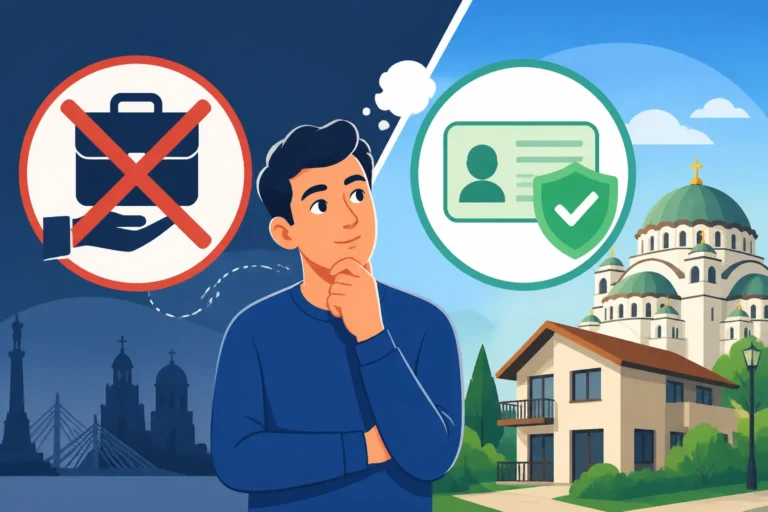
Now, a residence permit (known in Serbian as privremeni boravak for temporary, or stalni boravak for permanent) is the golden ticket for anyone planning to make Serbia their home for an extended period. This is what allows you to live, work (if your permit allows), study, or run a business here for more than 90 days. It's the official recognition that you are not just a visitor but someone who intends to contribute to and participate in Serbian society. Without a valid residence permit, any stay beyond the initial visa-free or visa-permitted period becomes illegal, leading to potential fines, deportation, and future entry bans.
The application for a temporary residence permit is typically made at the Ministry of Interior (MUP) in Serbia, specifically the Foreigners' Department. This is where the bulk of your immigration journey will unfold. Unlike the relatively straightforward visa application for entry, securing a residence permit involves a more comprehensive review of your intentions, financial stability, housing arrangements, and often, a specific reason for your long-term stay. Understanding this fundamental difference between a transient visa and a foundational residence permit is paramount, as it dictates your entire immigration strategy.
Temporary Residence: Your First Big Step
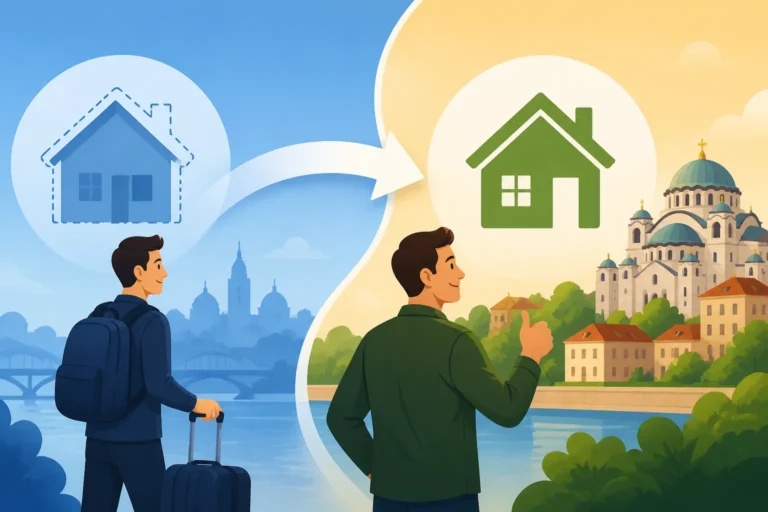
Alright, so you've decided Serbia is the place for you, and a 90-day tourist stamp just won't cut it. Your next big hurdle, and for most expats, the first major administrative milestone, is securing temporary residence, or privremeni boravak. This permit is your official permission to live in Serbia for a period typically ranging from six months to one year, and it's renewable. It's the bedrock upon which your life here will be built.
Eligibility and General Requirements
To even begin thinking about temporary residence, you need a legitimate reason to be here long-term. Serbia isn't handing out residence permits just because you like rakija and ćevapi (though we appreciate the sentiment!). The most common grounds for temporary residence include employment, self-employment/entrepreneurship, study, family reunification, or property ownership. Each of these "grounds" has its own set of specific requirements, but there are some universal documents and conditions that apply to almost everyone.
Generally, you'll need a valid passport, proof of sufficient funds to support yourself (this is crucial – they want to know you won't be a burden on the state), proof of accommodation in Serbia, and Serbian health insurance. For the funds, showing bank statements from your Serbian bank account with a decent balance (often around 1,000-1,500 EUR per month of requested residence) is usually sufficient. Proof of accommodation can be a notarized rental contract or a property deed if you own property. When it comes to health insurance, a local Serbian policy is usually required, and many expats opt for private insurance providers to cover this, such as those that can be compared through services like Cigna Global. It’s better to be proactive here rather than scrambling last minute.
The Application Process: Navigating the MUP
The application for temporary residence is filed with the Ministry of Interior (MUP), specifically at the Department for Foreigners (Uprava za strance). If you're in Belgrade, this is typically located at Savska 35. Be prepared for queues, bureaucracy, and a fair bit of waiting – this is standard for most administrative tasks in Serbia. You'll need to submit your application form (which is relatively straightforward, but make sure it's filled out perfectly), along with all your supporting documents. These documents often need to be translated into Serbian by a sworn court translator and apostilled (a form of international notarization) if they originated outside of Serbia. The importance of having all your documents in perfect order cannot be overstated; a single missing stamp or an un-translated document can send you back to square one, wasting precious time.
After submission, your application will be reviewed. The processing time can vary significantly, from a few weeks to a couple of months, sometimes even longer during peak periods. It's a waiting game, but during this time, your presence in Serbia is legal as long as your previous visa or visa-free period has not expired and you have a confirmation that your application is under review. Once approved, you'll be called to collect your residence card. This card, a small plastic ID, is your proof of temporary residence and should be carried with you. It's renewable, so as your expiry date approaches, you'll need to gather your documents and apply for a renewal, proving that your grounds for residence (employment, study, etc.) are still valid. For detailed information on renewing your permit, you might want to look at a guide on how to Renew Your Temporary Residence in Serbia.
Specific Grounds for Temporary Residence
As mentioned, there isn't a one-size-fits-all temporary residence permit. Your reason for wanting to live in Serbia determines the specific type of permit you apply for and the documents you'll need. Let's break down the most common pathways.
Residence Based on Employment
For many expats, a job offer is the primary driver for relocating to Serbia. If you've landed a position with a Serbian company, you'll apply for temporary residence on the grounds of employment. The key document here, beyond your standard passport and proof of funds, will be your employment contract. Your employer will typically handle a significant portion of the paperwork on their end, specifically with the National Employment Service, to prove that there isn't a suitable Serbian candidate for your role. This is crucial because Serbian law generally prioritizes local employment.
Your employer will need to initiate the process by filing an application for a work permit on your behalf. Once that is approved, you can then apply for your residence permit, often as part of a combined "Single Permit" process, which we'll discuss shortly. It’s important to ensure your employment contract is clear, specifies your role and salary, and is a genuine offer. Any discrepancies or vague terms could lead to delays or rejection. Sometimes, even if you’re working for a foreign company remotely from Serbia, you might still need to register as a local entrepreneur to legally base your work here, bringing us to the next point.
Self-Employment or Entrepreneurship
Serbia has become a very attractive hub for entrepreneurs and freelancers, partly due to its favorable tax system, especially the "Paušal" regime. If you're planning to start your own business or work as a freelancer, you can apply for temporary residence on the grounds of entrepreneurship. This pathway involves a few more steps upfront compared to being a traditional employee, but it offers immense flexibility. You'll first need to register your business entity in Serbia, typically as a sole proprietorship (Preduzetnik) or a limited liability company (DOO).
Once your business is registered with the Business Registers Agency (APR) and you have your tax identification number (PIB), you can use this as your basis for a temporary residence application. You'll need to show proof of your business registration, a business plan (sometimes, though less strictly for sole traders), and crucially, demonstrate that you can financially sustain yourself through your business activities. For those considering this path, Understanding Health Coverage for the Self-Employed in Serbia and How to Register as an Entrepreneur (Preduzetnik) in Serbia are invaluable resources. This route empowers you to be your own boss while establishing a legal presence in the country.
Study Residence
Serbia's universities and language schools are attracting more international students, and if you're coming here to hit the books, you'll apply for a student residence permit. The primary requirement for this permit is an official letter of acceptance or confirmation of enrollment from an accredited educational institution in Serbia. This could be a university, college, or a recognized language school offering an intensive course. You'll also need to prove you have sufficient funds to cover your tuition and living expenses – a bank statement demonstrating around 800-1000 EUR per month of your intended stay is a common expectation, although this can vary.
Students often find the initial registration for accommodation a bit tricky, especially if they are staying in dorms or with friends. Ensure you have official proof of address, even if it's just a letter from the dormitory management or a notarized statement from a friend whose address you are using. The student residence permit allows you to focus on your education, and while it generally doesn't grant automatic work rights, international students in Serbia are often allowed to work part-time under specific conditions, which can be a huge help financially.
Family Reunification
Bringing your loved ones with you to Serbia, or joining a family member who already has residence here, falls under family reunification. This ground is typically available for spouses, minor children, and sometimes dependent adult children or parents of a Serbian citizen or a foreign national holding a valid temporary or permanent residence permit in Serbia. The cornerstone of this application is proving the familial relationship. For spouses, a marriage certificate is essential, and for children, birth certificates. All these documents will need to be translated and apostilled.
The Serbian authorities will scrutinize the authenticity of the relationship to prevent fraudulent applications. This means providing clear evidence of your relationship, such as shared photographs, bank statements, or utility bills if you've lived together. The family member who is already a resident or citizen acts as the "sponsor," and they will need to provide proof of their own stable income and suitable accommodation to support the family. It's a pathway designed to keep families together, but the administrative burden of proving these connections can feel quite intrusive.
Property Ownership
A less common, but certainly viable, route to temporary residence in Serbia is through property ownership. If you purchase real estate in Serbia, you can use this as a basis for your privremeni boravak. This is particularly appealing to those looking to invest in the Serbian property market and establish a long-term presence without necessarily needing a job or business. The main document required, of course, is proof of your property ownership, specifically the title deed (List Nepokretnosti) from the Cadastre.
While owning property provides a strong basis for residence, it’s not an automatic grant. You will still need to demonstrate financial self-sufficiency (as the property itself doesn't generate income unless you're renting it out), and proof of health insurance is mandatory. The property should ideally be one that you intend to reside in, or at least use as your primary address in Serbia. This option can be an excellent choice for retirees or individuals with passive income who wish to enjoy the Serbian lifestyle and benefit from the country's lower cost of living. For a deep dive into purchasing property, check out How to Buy Property in Serbia as a Foreigner: The Full Guide (2026).
The Single Permit: Streamlining Work and Residence
For those coming to Serbia for employment, the introduction of the "Single Permit" (Jedinstvena dozvola) has been a game-changer, aiming to simplify a historically convoluted process. Instead of applying for a work permit and a residence permit separately, which used to involve visits to different government offices and multiple waiting periods, the Single Permit combines both into one application.
What is the Single Permit?
The Single Permit means that you submit one application to one authority, which covers both your right to reside in Serbia and your right to work. This significantly cuts down on processing times and the bureaucratic headache that many expats experienced in the past. It’s designed to attract foreign talent and investment by making the legal framework for employment more efficient and user-friendly. The application process is primarily managed through the Ministry of Interior's (MUP) online portal, making it more accessible.
However, "streamlined" doesn't necessarily mean "effortless." While it’s certainly an improvement, you still need to meticulously prepare all your documents. Your employer still plays a critical role, as they are often the ones initiating the process and providing the necessary documentation regarding your job. The MUP and the National Employment Service (Nacionalna služba za zapošljavanje – NSZ) will coordinate internally to assess both your eligibility for residence and the necessity of your employment. This system aims to create a single point of contact and a unified decision-making process. If you want to dive deeper into this, The Expat Guide to the Single Permit for Work and Residence in Serbia (2026) is your go-to.
Application Process and Requirements
The application for the Single Permit is submitted electronically through the MUP's eUprava portal. This online platform is a big step towards modernization, though it can still have its quirks. You (or your employer, or a legal representative) will upload all required documents digitally. These typically include:
- Valid passport scan.
- Proof of accommodation (notarized rental contract or property deed).
- Proof of health insurance (a local Serbian policy is essential).
- An employment contract or a binding offer of employment.
- Documents from your employer verifying their business registration and the necessity of your position.
- Proof of sufficient funds (bank statements).
- A completed application form.
Once submitted, the system routes the relevant parts of the application to the NSZ for the work permit assessment and to the MUP for the residence assessment. The goal is to issue a single document that serves both purposes. This integrated approach, while still demanding thorough preparation, marks a significant improvement in the overall expat experience for those moving for work. It removes the previous anxiety of having one part approved but waiting endlessly for the other, allowing you to plan your relocation with more certainty.
Transitioning to Permanent Residence
After spending a few years establishing your life in Serbia on temporary residence permits, you might start thinking about making a more permanent commitment. This is where permanent residence, or stalni boravak, comes into play. It offers greater stability, fewer renewals, and a stronger sense of belonging.
Eligibility Criteria for Permanent Residence
Generally, the primary requirement for permanent residence in Serbia is having lived legally in the country on temporary residence permits for a continuous period of at least five years. This "continuous period" means you shouldn't have been absent from Serbia for more than ten months in total during those five years, and no single absence should exceed six months. There are some exceptions; for instance, those married to a Serbian citizen might be eligible after only three years of temporary residence, or individuals of Serbian descent (even if not citizens) may have an expedited path.
It’s not just about ticking off the years, though. When you apply for permanent residence, the authorities want to see that you’ve truly integrated and maintained a stable life here. This includes proving that you've been financially stable throughout your temporary residence period, that you have permanent accommodation (owned or long-term rental), and that you haven't had any serious legal issues. They are looking for genuine residents, not just those who passed through. Therefore, maintaining good records of your employment, tax payments, and address registrations over the years is paramount for a smooth transition. You can learn more about this by reading The Complete Guide to Permanent Residence in Serbia (2026).
Application Process and Benefits
The application for permanent residence is also submitted to the Ministry of Interior (MUP), much like your temporary permits, but with a different set of forms and a more rigorous review. You'll need to provide all your previous temporary residence cards, proving your continuous legal stay. Proof of income, ongoing employment or business activity, and stable accommodation are critical. Again, all foreign documents must be translated and apostilled. The MUP will conduct a thorough check of your background, including any criminal records.
Once granted, permanent residence in Serbia offers significant benefits. You no longer need to worry about annual renewals, although your permanent residence card will still have an expiry date (usually 10 years), which is then simply renewed administratively. You gain almost all the same rights as Serbian citizens, with the main exceptions being the right to vote in national elections and holding certain public offices. You can live, work, and study freely in Serbia without additional permits. It provides a solid foundation for your life in Serbia, allowing you to truly settle in without the constant administrative overhead of renewing temporary permits.
Navigating Serbian Citizenship
For some, permanent residence is the final destination, but for others, the ultimate goal is Serbian citizenship. Becoming a citizen means fully integrating into the fabric of the country, with all the rights and responsibilities that entails.
Pathways to Citizenship by Naturalisation
The most common path to Serbian citizenship for foreigners is through naturalisation. This generally requires you to have held permanent residence in Serbia for a minimum continuous period of three years. However, simply holding permanent residence for three years isn't the only criterion. You must also demonstrate several other commitments to Serbia:
- Release from Foreign Citizenship: Serbia generally allows dual citizenship, but in some specific cases, or depending on your original nationality, you might be asked to relinquish your previous citizenship. However, the law states that a foreign national may acquire Serbian citizenship by naturalization if they state in writing that they consider Serbia to be their own state. It's always best to check the latest specific requirements with the Ministry of Interior as regulations can evolve.
- Proof of Stable Income and Accommodation: Similar to permanent residence, you need to show you are financially stable and have a secure place to live.
- Basic Knowledge of Serbian Language: While not always a formal test like in some other countries, showing an active effort to learn and use Serbian is expected. After all, you're becoming a citizen!
- No Criminal Record: A clean record in Serbia and often in your home country is a must.
There are also specific circumstances that can expedite citizenship, such as marriage to a Serbian citizen (often after three years of marriage and one year of continuous residence, though specific requirements apply), or for individuals of Serbian descent who have chosen to return to the country.
Application Process and What to Expect
The application for Serbian citizenship by naturalisation is a formal process submitted to the Ministry of Interior. It's a comprehensive review of your entire stay in Serbia, your intentions, and your commitment to the country. You'll need to submit an array of documents, including your permanent residence card, birth certificate, marriage certificate (if applicable), proof of income, proof of accommodation, and a declaration of loyalty to Serbia. All foreign documents must be officially translated and apostilled.
The processing time for citizenship applications can be lengthy, sometimes taking over a year, so patience is definitely a virtue. During this period, the authorities will conduct thorough background checks and verify all submitted information. Once approved, you will take an oath of allegiance to the Republic of Serbia, officially becoming a citizen. This is a significant milestone, granting you all the rights and duties of a Serbian national, including the right to vote and hold a Serbian passport. Understanding the Residency Requirement for Serbian Citizenship is a helpful internal resource for this stage.
Common Challenges and How to Overcome Them
Relocating to a new country is rarely without its bumps and bruises, and Serbia is no exception. While the country is generally welcoming, the administrative process can sometimes feel like an uphill battle. Being prepared for these challenges can save you a lot of stress.
Bureaucracy and Language Barriers
One of the most frequently cited frustrations by expats is the bureaucracy. Processes can be slow, requirements can sometimes seem to change without clear notice, and the "it depends" factor is strong. While efforts are being made to digitalize services, many interactions still require physical presence and paperwork. Add to this the language barrier – while many younger Serbians and those in service industries speak English, official documents and interactions at government offices are almost exclusively in Serbian. This can lead to misunderstandings, delays, and a feeling of helplessness.
To overcome this, patience is key. Arm yourself with a positive attitude, and don't expect things to move at the same pace as in your home country. For official dealings, hiring a local immigration lawyer or a professional translator who can accompany you to appointments is invaluable. They understand the nuances of the system, can translate on the fly, and can advocate on your behalf. Don't underestimate the power of a friendly Dobar dan! and a respectful attitude, even if you can't carry a full conversation in Serbian.
Document Preparation and Notarization
The meticulous nature of document preparation is another significant hurdle. Every foreign document – birth certificates, marriage certificates, university diplomas, criminal record checks – typically needs to be apostilled (if your home country is a signatory to the Hague Apostille Convention) and then translated into Serbian by a sworn court translator. This process needs to be done correctly, as errors can lead to immediate rejection of your application. The cost and time involved in this process can also catch newcomers off guard.
My advice here is to start early. As soon as you decide to move, begin gathering and processing your essential documents. Find a reputable sworn court translator in Serbia; their seal is crucial for official recognition. Don't try to cut corners with unofficial translations, as they simply won't be accepted. Keep multiple copies of everything, both digital and physical. For a helpful overview, refer to Understanding Document and Translation Requirements for Serbia Immigration.
Finding Reliable Information and Support
With so much information available online, it can be hard to discern what's accurate and up-to-date, especially since regulations can shift. Expats often struggle to find consistent advice, leading to confusion and doubt. While official government websites are the primary source, they are often only in Serbian and can be difficult to navigate.
Joining expat groups on social media platforms (like Facebook groups for "Expats in Belgrade" or "Digital Nomads Serbia") can be a lifesaver. These communities are full of people who have gone through exactly what you're experiencing and are often willing to share their recent experiences and tips. However, always cross-reference advice and remember that individual situations can vary. Consulting with a local immigration lawyer who specializes in expat affairs is often the safest bet, especially for complex cases. Furthermore, when planning your move, consider reputable international moving services like Sirelo, which can help with the logistical challenges of physically relocating your belongings, easing one part of the overall stress.
Essential Documents and Tips for a Smooth Application
Being well-prepared with your documents is half the battle won when navigating Serbian immigration. Here’s a rundown of the essentials and some pro tips to keep in mind.
Core Documents for Any Residence Application
Regardless of the grounds for your temporary residence, there's a set of core documents you will almost always need:
- Valid Passport: The cornerstone of your application. Ensure it has at least six months of validity remaining beyond your intended stay. Keep copies!
- Proof of Accommodation: A notarized rental agreement (overseen by a notary public, not just a handshake deal!) or a title deed if you own property. If you're staying with a friend or family, you'll need a notarized statement from them confirming you reside at their address.
- Proof of Sufficient Funds: Recent bank statements (from a Serbian bank account are preferred, but foreign accounts can work if translated) showing you have enough money to support yourself without becoming a public charge. The amount varies but generally aims to cover basic living expenses for the duration of your requested residence.
- Serbian Health Insurance: A local health insurance policy covering the entire period of your requested residence. This can be public (RFZO, if eligible) or private. Many expats opt for international private health insurance plans which can be tailored for life in Serbia, and comparing options through providers like Cigna Global can be a smart move.
- Application Form: The official form from the Ministry of Interior, correctly filled out and signed.
- Colour Photos: Usually 2-4 passport-sized colour photos, often with specific requirements for size and background (usually white).
- Proof of Payment of Administrative Fees: There are several government fees you’ll need to pay at a post office or bank, for the application itself, and for the residence card. Keep all receipts!
Remember, all foreign-issued documents must be apostilled (if applicable) and officially translated into Serbian by a sworn court translator. This is non-negotiable.
Tips for a Seamless Experience
Having lived through the administrative dance here, I've picked up a few pointers that can make your life a lot easier:
- Start Early: Seriously, don't wait until the last minute. Gathering documents, getting them apostilled, translated, and then submitting them takes time. Factor in potential delays.
- Be Organized: Create a binder or a digital folder for everything. Keep originals safe and carry copies. Label everything clearly. This will save you countless headaches.
- Double-Check Everything: Before you head to the MUP, go over your application one last time. Is every field filled? Is every required document present? Are all translations attached? A checklist is your best friend.
- Dress Appropriately: While not a strict rule, presenting yourself neatly and respectfully at government offices can contribute to a more positive interaction.
- Bring a Serbian Speaker: If your Serbian isn't fluent, bring a friend, a colleague, or a hired translator. This dramatically reduces misunderstandings and speeds up the process.
- Be Polite and Patient: Serbian administrative staff might seem stern, but a friendly demeanor and a patient attitude can go a long way. They are people, too, and often appreciate understanding.
- Track Your Application: Ask for a tracking number or a confirmation receipt when you submit your application. This allows you to inquire about its status, though regular updates aren't always provided.
- Register Your Address: Once you secure your accommodation, you must register your address (prijava boravka) with the police within 24 hours of arrival (or signing the lease). This is a legal requirement and failure to do so can lead to fines. This is a critical step, often overlooked by newcomers. You can find detailed instructions on How to Register Your Address (Prijava) with the Police in Serbia.
By following these tips and being thoroughly prepared, you'll significantly increase your chances of a smooth and successful immigration journey to Serbia.
Comparing Residence Permit Options
To give you a clearer picture of the most common pathways to residence in Serbia, here's a quick comparison table outlining key aspects of each.
| Residence Ground | Typical Duration | Key Document for Application | Main Benefit | Common Challenge |
|---|---|---|---|---|
| Employment | 6-12 months | Employment Contract, Work Permit (or Single Permit) | Legally work and reside for a Serbian employer | Employer involvement, market justification |
| Self-Employment | 6-12 months | Business Registration (APR), Business Plan (optional) | Flexibility, run your own business in Serbia | Initial business setup, proving financial viability |
| Study | 6-12 months | University/School Acceptance Letter, Proof of Funds | Legal basis for education, cultural immersion | Proving sufficient funds for living & tuition |
| Family Reunification | 6-12 months | Marriage/Birth Certificates, Sponsor's Residence/Citizenship | Live with family, social integration | Proving genuine relationship, sponsor's stability |
| Property Ownership | 6-12 months | Property Title Deed (List Nepokretnosti) | Establish roots, enjoy property investment | Proving financial self-sufficiency (beyond property) |
| Permanent Residence | 10 years | Previous Temporary Residence Cards (5 years continuous) | Long-term stability, near-citizen rights | Lengthy temporary residence requirement, strict rules |
What to Consider When Choosing Your Path
Choosing the right path for your residence permit is crucial. It largely depends on your personal circumstances and goals.
If you have a job offer from a Serbian company, the employment route, ideally through the Single Permit, is the most direct. This takes much of the administrative burden off your shoulders as your employer will guide you through the initial stages. If you’re an entrepreneur or freelancer, the self-employment path offers independence but requires you to navigate the business registration process first. This can be very rewarding if you're keen to tap into Serbia's growing digital economy.
Students naturally go for the study permit, which is fairly straightforward if you have your acceptance letter and funds. For families, reunification is the obvious choice, but remember the emphasis on proving the genuine nature of your relationships. And if you're looking to invest in real estate or simply want a stable long-term base without employment ties, property ownership can be an excellent avenue, especially for retirees. Each path has its own nuances, so ensure you thoroughly research the specific requirements for your chosen route.
Disclaimer
The information provided in this guide is intended for general informational purposes only and does not constitute legal, financial, or immigration advice. While every effort has been made to ensure accuracy and reflect current regulations as of 2026, immigration laws and procedures in Serbia can change frequently. It is strongly recommended that you consult with a qualified Serbian immigration lawyer or a registered legal professional for advice tailored to your specific situation before making any decisions related to your relocation or immigration to Serbia. The author and publisher disclaim any liability for any loss or damage incurred as a result of relying on the information contained herein.