Is It Easy to Find an Apartment in Belgrade?
Let’s be real, navigating the housing market in a new country can feel like solving a Rubik’s Cube blindfolded, and Belgrade is certainly no exception. While it's not impossible to find a place you'll love, it definitely comes with its own unique quirks and challenges. This guide is here to shed some light on what you can truly expect when you embark on your apartment hunt in Serbia's vibrant capital, drawing on years of expat experience to give you the insider scoop.
The Belgrade Rental Landscape: A Mixed Bag for Foreigners
When you first start looking for an apartment in Belgrade, you might be met with a rush of different feelings. On one hand, there's a good selection, especially in the more central areas and the newer developments. On the other, the demand, particularly for quality, foreigner-friendly rentals, can be surprisingly fierce, and the standards might not always align with what you're used to from back home. It’s a dynamic market that requires both patience and a proactive approach.
Understanding Supply and Demand Dynamics
Belgrade is a thriving city, constantly attracting students, digital nomads, and expats working in the growing tech sector. This influx means that well-located, modern apartments, especially those that are fully furnished and ready to move into, are snapped up quite quickly. The market is particularly competitive during late summer and early autumn when students arrive and many professionals choose to relocate. If you're arriving at these peak times, prepare to move fast if you find something you like. Conversely, if you arrive during the colder, quieter months, you might find slightly more breathing room and perhaps even a bit more negotiating power.
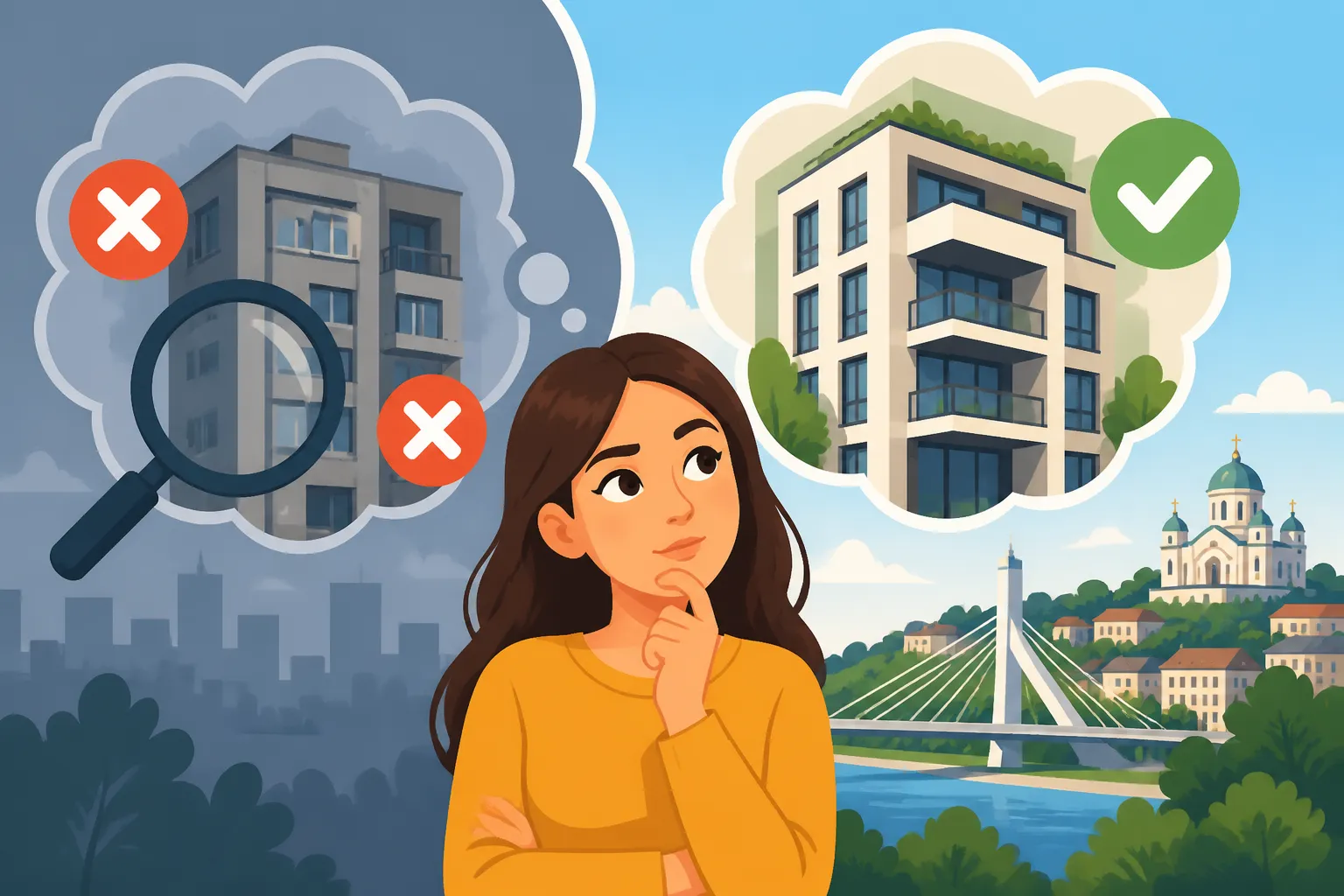
The type of building also plays a huge role. Belgrade is a city with a rich history, and that's reflected in its architecture. You'll find everything from grand, pre-war buildings in Stari Grad and Vračar to communist-era blocks in Novi Beograd, and gleaming new high-rises in areas like Belgrade Waterfront. Each type comes with its own set of pros and cons, from charming high ceilings and character in older buildings to modern amenities and better insulation in newer ones. It's a spectrum, and your personal preferences will heavily influence what feels "easy" or "difficult" to find.
Navigating Price Expectations and Value
One of the first things many expats wonder about is the cost. Is it easy to find an affordable apartment in Belgrade? Well, "affordable" is a subjective term, but compared to many Western European capitals, Belgrade still offers good value for money, especially when you consider the quality of life. However, prices have been on a steady upward trend, particularly in prime locations. For a detailed look at what you can expect, you might want to check out our article on How Much Does It Cost to Rent an Apartment in Belgrade in 2026?.
What you get for your money can vary wildly. A fully renovated, chic one-bedroom apartment in Dorćol with all new appliances might cost you €700-€900 per month, while a similar sized, but older and less updated, flat just a few blocks away could be €450-€550. Utilities are almost always extra, and these can add a significant chunk to your monthly expenses, especially during the colder months when central heating kicks in. Don't forget to factor in the building maintenance fees for apartments in Serbia, which typically cover communal areas and basic upkeep. It’s vital to get a clear breakdown of all costs before committing to anything.
The Practicalities of the Apartment Hunt: From Online to On-Foot
Embarking on the apartment hunt in Belgrade means getting familiar with a process that might feel a little different from what you're accustomed to. It's often a blend of digital searching, pounding the pavement, and relying on local connections.
Where to Begin Your Search
Your first port of call will likely be online portals. Websites like Nekretnine.rs, Halo Oglasi, and 4zida.rs are the most popular platforms where both private landlords and real estate agents list properties. They offer filters for location, size, price, and whether the apartment is furnished or unfurnished. However, don't be surprised if some listings lack detailed photos or comprehensive descriptions. It’s a common frustration, and you’ll often need to follow up with a phone call for more information or to schedule a viewing.
Real estate agents are a widely used resource, especially for expats who might not be fluent in Serbian or familiar with the local market nuances. A good agent can save you a lot of time and potential headaches, acting as an intermediary with landlords and helping with paperwork. Just be aware that their services typically come with a fee, usually equivalent to one month's rent, paid upon signing the lease. It's always a good idea to seek recommendations for a reliable real estate agent in Serbia from other expats or local contacts. Word of mouth can also be incredibly powerful. Join expat Facebook groups, ask colleagues, or connect with people in the city – sometimes the best deals are found before they even hit the online market.
The Viewing Experience and What to Look For
Once you've shortlisted some potential places, get ready for viewings. Serbian landlords or agents usually prefer to show apartments during weekdays, often with short notice. Punctuality is appreciated, but don't be surprised if the agent or landlord is running a little late themselves – that's just part of the local charm!
During viewings, pay close attention to details. Here are a few things to keep an eye out for:
- Insulation and Windows: Older buildings might have less efficient windows, which means higher heating bills in winter. Newer constructions or recently renovated apartments usually fare better.
- Water Pressure and Hot Water: Don’t be shy to test the taps! Ensure there's adequate water pressure and reliable hot water. Some buildings might have older water heaters.
- Appliances: If the apartment is furnished, check the condition of the washing machine, oven, refrigerator, and air conditioning. Make sure everything works.
- Storage Space: European apartments, especially older ones, can sometimes be light on built-in storage. If you have a lot of belongings, consider this.
- Neighbourhood Noise: Visit at different times of day if possible. Is it near a busy street? Is there a café downstairs? Belgrade is a lively city, but you want to ensure your peace and quiet.
- Connectivity: Check if there are existing internet and cable TV connections. Ask about the providers and speeds available. Trust me, reliable data is your best friend when you're traipsing across the city, trying to find that one elusive street number. I always recommend newcomers grab an eSIM from a provider like Airalo the moment they land, so you're never without internet or maps to find your next viewing.
Tackling the Paperwork and Contracts
Once you've found "the one," the next step is the paperwork. This is where an experienced agent or a Serbian-speaking friend can be invaluable. Lease agreements in Serbia are typically for a fixed term, usually 6 or 12 months, and often include an automatic renewal clause unless specified otherwise. It's crucial to understand all the terms, particularly those relating to notice periods, maintenance responsibilities, and the return of your security deposit. Our guide on How to Sign a Rental Contract and Pay a Deposit in Serbia offers a more in-depth look at this process.
You’ll almost certainly be asked for a security deposit, which is usually equivalent to one or two months' rent. This is standard practice. Ensure the contract clearly states the conditions under which the deposit will be returned. Beyond the deposit, you’ll also need to budget for the first month's rent upfront. Setting up utilities can sometimes be straightforward if the landlord handles it, but you should still understand The Expat Guide to Setting Up Utilities (Electricity, Water, Heating) in Serbia to know what's involved. Crucially, don't forget the obligatory step of registering your address (Prijava) with the police in Serbia once you've secured your place; it's a legal requirement for all temporary residents.
Choosing Your Belgrade Base: Neighbourhoods and Apartment Types
Belgrade is a city of distinct neighbourhoods, each with its own character and appeal. What feels "easy" to find might also depend heavily on your preferences for location and apartment style.
Popular Expat Neighbourhoods and Their Vibe
- Stari Grad (Old Town): The heart of Belgrade. Think beautiful old buildings, cobbled streets, bustling pedestrian zones, and direct access to cultural sites, cafes, and restaurants. Apartments here can be charming but often older, sometimes lacking modern insulation or amenities. Prices are among the highest. This is where you'll feel truly immersed in Belgrade's history.
- Dorćol: Just north of Stari Grad, Dorćol blends historic charm with a bohemian, trendy vibe. It's packed with cool cafes, independent boutiques, and fantastic restaurants. You'll find a mix of renovated old apartments and some newer builds. It's incredibly popular with younger expats and those who enjoy a lively, walkable neighbourhood.
- Vračar: Known for its elegant, tree-lined streets, grand architecture, and the iconic Saint Sava Temple. Vračar is generally considered more upscale, offering a quieter, more residential feel while still being very central. Apartments here tend to be spacious, often in well-maintained older buildings. It’s a favourite for families and those seeking a more sophisticated atmosphere.
- Novi Beograd (New Belgrade): Across the Sava River, Novi Beograd is a stark contrast with its grid-like structure, wide boulevards, and communist-era residential blocks (blokovi) mixed with modern business parks and shopping malls. It's popular for its newer, more spacious apartments, often with balconies, and is generally more affordable than central Belgrade. It also offers excellent infrastructure, plenty of green spaces, and good public transport links. Many international companies have offices here, making it convenient for those working in corporate settings.
- Zemun: A historic town within Belgrade, Zemun offers a unique, picturesque vibe with its own old town, Gardoš Tower, and Danube riverside promenade. It feels like a small town but has all the benefits of being part of the capital. Apartments can be charming but might be older. It's a great choice for those seeking a more relaxed pace and a strong sense of community.
To help you visualise the differences, here's a quick comparison:
| Neighbourhood | Vibe & Atmosphere | Typical Apartment Age | Price Range (1-bed, monthly €) | Pros | Cons |
|---|---|---|---|---|---|
| Stari Grad | Historic, bustling, cultural hub | Pre-war, older | 600 – 1000+ | Central, walkable, vibrant nightlife, historical charm | Can be noisy, older infrastructure, smaller apartments, limited parking |
| Dorćol | Trendy, bohemian, lively, historic | Mixed | 650 – 950+ | Great cafes, restaurants, strong community, mix of old & new | Can be pricey, popular areas can be noisy |
| Vračar | Elegant, residential, sophisticated, green | Older | 700 – 1100+ | Prestigious, quiet, spacious apartments, good schools, St. Sava Temple | Higher prices, can feel less "buzzing" than Stari Grad/Dorćol |
| Novi Beograd | Modern, spacious, planned, business-oriented | Post-war, new | 450 – 800 | Modern amenities, parking, green spaces, good for families, business hub | Lacks historic charm, can feel sterile, reliance on public transport for city |
| Zemun | Picturesque, village-like, riverside, relaxed | Older | 400 – 700 | Unique charm, Danube views, community feel, more affordable | Further from city centre, fewer modern amenities, can be quiet at night |
Note: Prices are approximate and can vary significantly based on specific location, apartment condition, and season.
Modern vs. Traditional Apartments
The choice between a modern, newly built apartment and a traditional, older one is often a trade-off.
Modern Apartments: These are typically found in newer developments, especially in Novi Beograd, along the riverfront, or in recently constructed buildings scattered throughout central areas. They often come with:
- Better Insulation: Meaning lower heating and cooling costs.
- Newer Appliances: Fully integrated kitchens, modern bathrooms.
- Underground Parking: A huge plus in a city where parking can be a nightmare.
- Lifts: Essential if you’re not keen on stairs, especially with groceries.
- Central Heating/Cooling Systems: More efficient and easier to manage.
However, they might lack the character of older buildings and sometimes feel a bit generic.
Traditional Apartments: Predominantly found in Stari Grad, Dorćol, and Vračar, these apartments offer charm and history. You might find:
- High Ceilings and Large Windows: Giving a sense of space and light.
- Parquet Floors: Adding to the classic aesthetic.
- Unique Layouts: Reflecting historical architectural styles.
On the flip side, they can come with challenges: - Older Infrastructure: Plumbing, electrical, and heating systems might be dated.
- Less Efficient Insulation: Leading to higher utility bills.
- No Lifts: Which means climbing several flights of stairs.
- Limited Parking: Often street parking, which can be scarce.
- Furnished vs Unfurnished: Many apartments, both old and new, come fully furnished. This can be a huge convenience for expats. However, it's worth understanding the nuances of Understanding Furnished vs Unfurnished Rentals in Serbia, as "furnished" can mean anything from basic essentials to a full, stylish setup.
Insider Tips and Common Pitfalls to Avoid
Finding an apartment in Belgrade doesn't have to be a daunting task, but being prepared and having a strategy will make the process much smoother. My years here have taught me a few things that can save you time, money, and a good deal of stress.
Essential Tools and Mindset for Success
First and foremost, approach the search with patience and an open mind. Things might not always work the way they do in your home country, and flexibility is your best asset. Be prepared for last-minute changes to viewing times, or listings that disappear faster than you can say "rent."
Connectivity is King: As I mentioned earlier, having reliable internet on your phone is non-negotiable. Whether you're using it for GPS, quickly checking a new listing, or communicating with agents, you need to be constantly connected. Services like Airalo provide excellent eSIM options that get you online immediately upon arrival, so you're not scrambling for a local SIM card while also trying to navigate a new city.
Language: While many younger real estate agents and landlords, especially in central Belgrade, speak English, it's not a guarantee. Learning a few basic Serbian phrases, or having a translation app handy, can go a long way. Better yet, if you have a Serbian-speaking friend or colleague, ask them to assist you with calls or viewings, especially when it comes to understanding the finer points of a contract. This can prevent misunderstandings later on.
Know Your Priorities: Before you even start looking, sit down and make a list of your absolute must-haves and your nice-to-haves. Is a balcony essential? Do you need a separate home office space? What’s your maximum commute time? Knowing this will help you filter listings and avoid wasting time on unsuitable properties. It also helps you stay focused when you’re overwhelmed by choices.
Common Challenges and How to Overcome Them
Expats often face a few recurring challenges when looking for an apartment in Belgrade. Being aware of these can help you navigate them more effectively.
Lack of Transparency: Some online listings might not be entirely accurate, or photos might be outdated. Sometimes, an agent will show you a place that doesn't quite match what you saw online. This isn't necessarily malicious, but it highlights the need for in-person viewings and thorough questioning. Don't be afraid to ask for more details or clarifications during a viewing.
The "Cash is King" Mentality: While things are slowly modernizing, some landlords still prefer cash payments for rent. Make sure your rental contract explicitly states the payment method and currency. If you are paying in cash, always ensure you get a receipt (potvrda o uplati) for every payment. This is incredibly important for your own records and protection, should any disputes arise later, for instance, when trying to get your rental deposit back in Serbia.
Utilities and Bills: Unlike some countries where utilities are often included in the rent, in Serbia, you’re almost always responsible for them. This means separate bills for electricity (EPS), heating (Infostan, if central), water, internet, and sometimes communal building charges. Ensure you understand how to pay your utility bills in Serbia and that the landlord provides you with the correct payment information or helps you set up direct debit if possible. Sometimes, bills will be in the landlord's name, and you'll reimburse them, which requires trust and clear record-keeping.
Moving Your Belongings: Once you’ve finally secured your perfect Belgrade pad, the next hurdle is often getting your belongings here. While you might be tempted to do it all yourself, sometimes an international moving service is the way to go. Platforms like Sirelo can help you compare quotes from reputable movers and streamline the logistics of relocating your possessions to Serbia, saving you a lot of hassle. For more general advice on settling in, our guide on The Complete Guide to Moving to Serbia: Your First 90 Days (2026) offers invaluable insights.
In conclusion, finding an apartment in Belgrade is definitely achievable, but it requires a bit of homework, a sprinkle of patience, and a willingness to embrace the local way of doing things. With the right approach and a clear understanding of the market, you’ll be settling into your new Serbian home in no time.
Disclaimer
The information provided in this guide is for general informational purposes only and does not constitute legal, financial, or professional advice. While we strive to keep the information up-to-date and accurate, the rental market and regulations in Serbia can change. Always consult with a qualified local real estate agent, lawyer, or relevant authorities for advice tailored to your specific situation.