How Do I Get a Vehicle Inspection in Serbia?
One of the many delightful little administrative hurdles you’ll face as an expat in Serbia involves keeping your vehicle legally on the road. It’s not just about registering your car; a mandatory annual technical inspection, known locally as tehnički pregled, is a critical step that catches many newcomers off guard. This comprehensive guide is here to demystify the process, explain what to expect, and help you navigate the system with confidence, ensuring your vehicle remains compliant and safe.
Understanding the Obligatory Vehicle Inspection in Serbia
Living in Serbia means embracing a different set of rules, and vehicle maintenance and registration are no exception. Unlike some countries where inspections might be less frequent or less stringent, here, the tehnički pregled is a non-negotiable annual requirement for almost all vehicles. It’s a foundational piece of the puzzle if you want to keep your car registered and on the road.
Why is a Vehicle Inspection Necessary?
At its core, the vehicle inspection in Serbia serves several vital purposes, all aimed at ensuring road safety and environmental protection. For starters, it's a legal mandate. You simply cannot renew your vehicle registration (registracija vozila) without a valid technical inspection certificate. This link between inspection and registration is iron-clad, meaning if your inspection lapses, so does your ability to legally drive your car.
Beyond the legalities, these inspections are crucial for safety. They check critical components that, if faulty, could lead to accidents. Imagine driving on worn brakes or with malfunctioning lights on Serbia's diverse road network; the risks are obvious. The inspection ensures that your vehicle meets basic safety standards, protecting you, your passengers, and other road users. Furthermore, environmental considerations play an increasingly important role. Modern inspections include rigorous emissions testing to ensure vehicles aren't polluting excessively. For a country that sometimes struggles with air quality, these checks are a step towards better ecological practices, making sure that older vehicles, in particular, aren't pumping out harmful fumes.
What Vehicles Require Inspection and How Often?
The vast majority of vehicles in Serbia are subject to regular technical inspections. This includes your everyday passenger cars, motorcycles, trucks, buses, and even agricultural machinery. Essentially, if it’s got an engine and wheels and you want to drive it on public roads, it needs to be inspected.
The frequency of inspection depends primarily on the vehicle type and its age. For most passenger vehicles, you’ll need to undergo a full technical inspection annually. This becomes part of your yearly routine, much like paying your utility bills. However, there are exceptions. For brand new vehicles, the first inspection might be valid for two years, giving owners a brief reprieve before the annual cycle begins. Conversely, commercial vehicles, taxis, and public transport vehicles often require more frequent inspections—sometimes twice a year—due to their higher mileage and increased wear and tear. It’s always best to confirm the specific requirements for your vehicle type, but for your standard family car, budgeting for an annual check-up is the way to go. You can learn more about the broader requirements in our guide on Understanding the Vehicle Inspection and Registration in Serbia.
Preparing Your Vehicle for Inspection: A Checklist for Expats
Navigating the tehnički pregled can feel like a pop quiz, especially if you're not entirely familiar with the language or local expectations. The key to a smooth experience is thorough preparation. Trust me, showing up unprepared will only add to your expat frustrations!
Essential Documents You'll Need
Firstly, gather your paperwork. Serbian bureaucracy loves documents, and the technical inspection is no different. You’ll need to present several key items, so have them organised and readily accessible.
- Vehicle Registration (Saobraćajna Dozvola): This is your car's primary identification document, similar to a car title or registration certificate in other countries. Ensure it's current and matches the vehicle details perfectly.
- Proof of Ownership: While the saobraćajna dozvola often suffices, sometimes additional proof of ownership might be requested, especially if you've recently purchased the car or if there are any ambiguities. Keep your purchase contract handy.
- Passport/Residence Permit: As a foreigner, you’ll need to prove your identity and legal residence in Serbia. Your passport and your valid temporary residence permit (privremeni boravak) or permanent residence card will be essential. This confirms your right to register and operate a vehicle in the country.
- Previous Inspection Report (if applicable): If you've had an inspection before, bringing the old report can sometimes be helpful, though not always strictly required for the new one. It shows continuity.
- Mandatory Insurance Policy (Polisa Osiguranja): Proof of valid mandatory vehicle insurance is absolutely critical. You cannot proceed with registration (or, by extension, inspection) without it. Make sure your policy is active and covers the required period. You'll find more details about this in our article on Understanding Car Insurance and Registration in Serbia.
A word to the wise: always have both the original documents and a set of photocopies. While originals are usually preferred for verification, copies can save a lot of hassle in unforeseen circumstances.
Key Areas Inspectors Will Check
The inspection itself is a detailed examination of your vehicle's condition, from bumper to bumper. Don't underestimate what they will look at; Serbian inspectors are known for their thoroughness, particularly with certain items.
Here’s a breakdown of the critical components:
- Brakes: This is non-negotiable. They will test your braking efficiency on a roller dynamometer for both service brakes and parking brake. Any significant imbalance or insufficient stopping power will lead to a failure.
- Lights: Every single light on your vehicle must be in perfect working order, correctly aligned, and free from cracks. This includes headlights (high and low beam), turn signals, brake lights, reverse lights, fog lights, and license plate lights. Even a single blown bulb can cause a fail.
- Tires: Inspectors will check tread depth, overall condition (no cracks, bulges, or damage), and ensure all tires are the same type (e.g., all summer or all winter, or all-season if legal). The legal minimum tread depth is 1.6 mm, but it’s wise to have more.
- Steering and Suspension: They'll check for excessive play in the steering wheel, loose components, and the general condition of your suspension system.
- Emissions (Izduvni Gasovi): This is a huge one, especially for older vehicles. Your exhaust gases will be measured to ensure they fall within legal limits for pollutants like carbon monoxide and hydrocarbons. If your car is smoking heavily or has a catalytic converter issue, it will almost certainly fail.
- Chassis and Bodywork: They'll look for significant rust, especially on structural components, and any major damage that could compromise safety. Minor dents and scratches are usually fine, but anything that affects the integrity of the vehicle could be an issue.
- Safety Equipment: This is often overlooked by expats but is crucial. You must have a functional first-aid kit (often specific Serbian standard, check expiry dates!), a warning triangle, and a reflective safety vest in your vehicle. These items are mandatory and their absence is an instant fail. Ensure they are easily accessible, not buried under a pile of luggage.
- Wipers, Horn, Mirrors: All these basic functionalities need to work correctly. Wipers should clear the windshield effectively, the horn must sound, and all mirrors (side and rearview) should be intact and properly secured.
- Seatbelts: All seatbelts must be present and fully functional, retracting properly and locking securely.
My advice? Don't just hope for the best. Do a thorough pre-check yourself or, even better, take your car to a trusted mechanic a few days before the official inspection. They can often spot potential issues that you might miss, giving you time to rectify them.
The Inspection Process: Step-by-Step for Foreigners
Okay, the paperwork is sorted, your car is (hopefully) sparkling clean and in tip-top shape. Now for the actual inspection day. It might feel a bit daunting at first, especially if your Serbian isn't fluent, but knowing the steps can really help calm those nerves.
Finding an Accredited Inspection Station (Tehnički Pregled)
The first step is locating a tehnički pregled station. These are widespread across Serbia, particularly in urban areas like Belgrade, Novi Sad, and Niš. Many larger gas stations or service centres will have a dedicated tehnički pregled facility, but there are also independent stations.
How do you find one?
- Online Search: A quick search on Google Maps for "tehnički pregled" in your vicinity will yield numerous results. Look for ones with good reviews, though bear in mind not all will have English-speaking staff.
- Recommendations: Ask fellow expats or local friends for recommendations. They can often point you towards a reliable and perhaps more foreigner-friendly station.
- Visual Cues: Look for prominent signage that says "Tehnički Pregled" or "Registracija Vozila". Official stations will also display their accreditation certificates. Many stations in larger cities like Belgrade, especially those around Novi Beograd or near major roads, are generally well-equipped.
When choosing, try to find a station that appears well-organised and uses modern equipment. While all are licensed, some facilities might offer a more efficient or thorough experience. You might also find some that are linked directly to vehicle registration services, allowing you to complete both steps in one go, which is a massive time-saver for expats. This integrated approach is increasingly common and is something you should definitely ask about when you call to inquire.
What Happens During the Inspection?
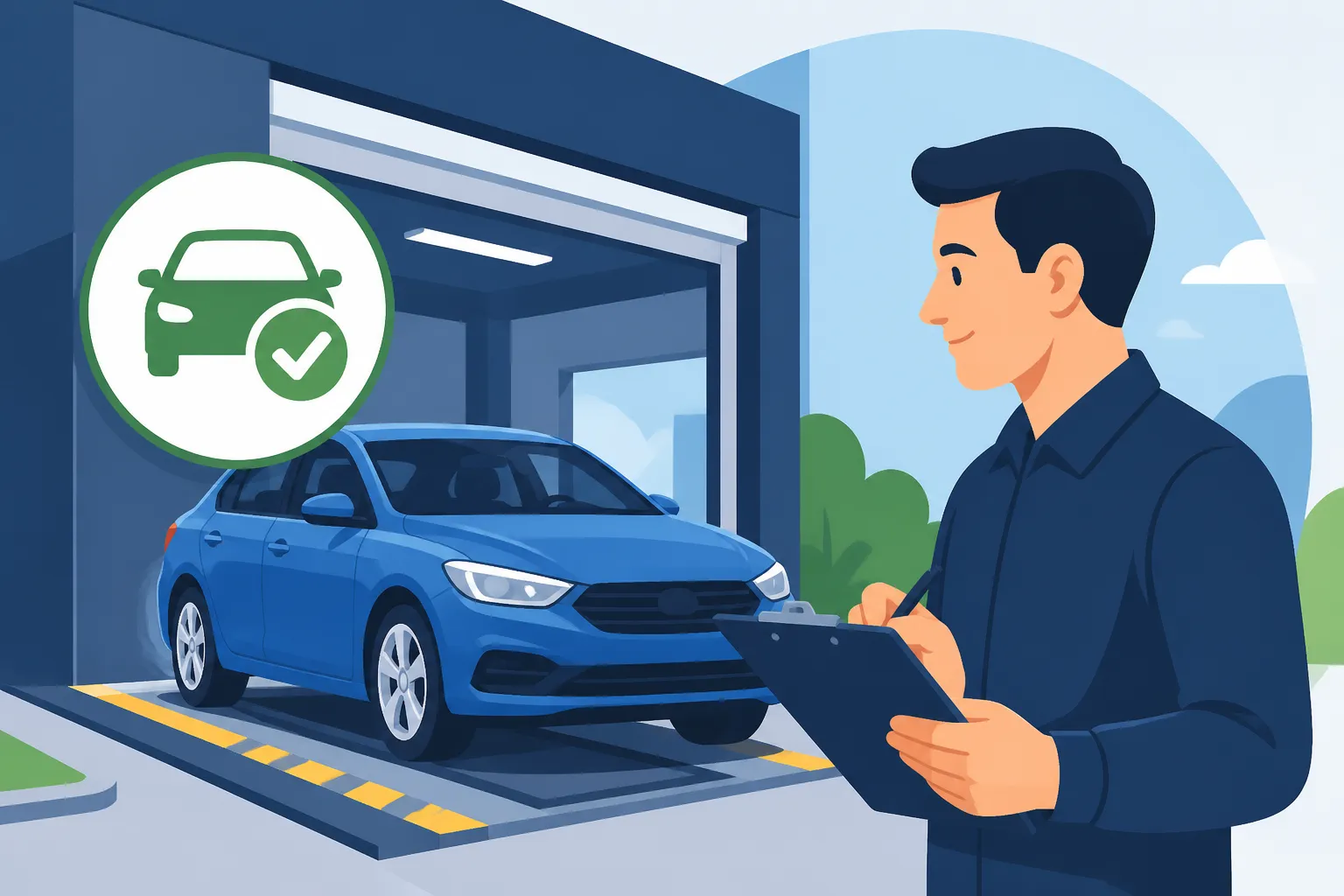
Once you arrive at your chosen tehnički pregled station, here's what typically unfolds:
- Arrival and Document Submission: Pull your car into the designated bay. An inspector will usually greet you (or you’ll need to approach the reception desk). Hand over all your essential documents: saobraćajna dozvola, passport/residence permit, and insurance policy. They'll review these first to ensure everything is in order.
- The Physical Check: This is where the magic happens.
- External Visual Inspection: The inspector will walk around your car, checking lights, indicators, mirrors, bodywork for damage, and the condition of your tires. They’ll also ensure you have your mandatory first-aid kit, warning triangle, and reflective vest.
- Underbody Inspection: You’ll drive the car onto hydraulic ramps or rollers. Here, they'll check the chassis for rust, leaks, exhaust system integrity, and suspension components.
- Brake and Steering Test: On rollers, they'll test your brakes to measure their efficiency and balance. Steering play is also checked thoroughly.
- Emissions Test: A probe will be inserted into your exhaust pipe to measure gas emissions. This is often the trickiest part for older cars.
- Interior Check: Seatbelts, horn, wipers, and dashboard warning lights are also usually checked.
- Waiting Process: Depending on the station and how busy it is, you might wait in a designated area while they complete the inspection. Sometimes you can observe parts of the process, but often it’s best to let them do their work. The entire process typically takes about 30-60 minutes.
- The Outcome: Once the inspection is complete, the inspector will issue a report.
- Pass: If your vehicle passes, congratulations! You'll receive a certificate of technical validity. This document is crucial for renewing your car registration.
- Fail: If your vehicle fails, don't panic. It's not uncommon, especially if you haven't done a pre-check. The inspector will clearly indicate the reasons for failure on the report.
It can be frustrating if there's a language barrier at this point. Many inspectors don't speak fluent English, so having a Serbian speaker with you or a reliable translation app on your phone can save a lot of confusion. They might point to parts of your car or use technical jargon, so don't be afraid to ask for clarification, even if it means using gestures or drawing pictures.
What if Your Vehicle Fails the Inspection?
Finding out your car failed its tehnički pregled can be deflating, but it's not the end of the world. It’s a common occurrence, and the system is set up to allow for repairs.
- Common Reasons for Failure: As mentioned before, emissions, faulty lights, worn tires, or brake imbalances are the usual culprits. But don't forget the small things like an expired first-aid kit or missing reflective vest – these are easy fixes that can lead to an unnecessary re-inspection.
- Rectification Period: If your vehicle fails, you’ll typically be given a specific timeframe—usually 3 to 7 days—to get the necessary repairs done. It’s important not to delay, as exceeding this period might mean you have to pay for a full new inspection again, rather than just a re-inspection.
- Re-inspection Process: Once the repairs are complete, you return to the same inspection station with your vehicle and the previous failed report. They will then re-check only the items that caused the initial failure. This re-inspection is often significantly cheaper, or sometimes even free, especially if you return quickly within the allotted time. It’s crucial to go back to the same station, as they have your file and know exactly what needs re-checking.
- Consequences of Not Passing: If you don't pass the inspection and don't get the issues rectified, you simply won't be able to renew your vehicle's registration. Driving an unregistered vehicle is illegal in Serbia and can result in significant fines, impoundment of your vehicle, and points on your licence. So, take the failure seriously and get those repairs done promptly.
Cost, Duration, and Important Tips for a Smooth Process
Now that you understand the "how-to," let's talk about the practicalities: how much it costs, how long it takes, and some seasoned expat advice to make the whole ordeal as painless as possible.
How Much Does a Vehicle Inspection Cost and How Long Does It Take?
The cost of a vehicle inspection in Serbia can vary slightly depending on the type of vehicle, the inspection station, and the region, but it's generally quite reasonable.
As of early 2024, you can expect to pay approximately:
| Vehicle Type | Approximate Cost (RSD) | Typical Duration |
|---|---|---|
| Passenger Car | 3,500 – 6,000 | 30-60 minutes |
| Motorcycle | 2,000 – 4,000 | 20-40 minutes |
| Light Commercial Van | 4,000 – 7,000 | 45-75 minutes |
Please note these are approximate figures and can change. Always confirm the current price when booking your inspection.
Most stations accept cash, and many now also accept card payments. It’s always a good idea to confirm payment options when you call ahead or arrive. The duration, as mentioned, is usually under an hour for a standard passenger car, assuming there are no major issues or long queues.
Language Barriers and Seeking Assistance
This is a common pain point for many expats in Serbia. While younger staff at some of the more modern stations in Belgrade or Novi Sad might speak some English, it's certainly not a guarantee everywhere. Technical terms can make communication even more challenging.
Here are a few strategies:
- Bring a Serbian-speaking Friend: This is by far the easiest solution. Having someone who can translate for you, ask questions, and clarify the report details can make a world of difference and reduce stress levels significantly.
- Use Translation Apps: Google Translate or similar apps can be invaluable for basic communication, though technical discussions might still be tricky.
- Pre-Communication: If you call ahead, you can try asking if anyone speaks English. Even if they don't, they might be able to direct you to a colleague who does.
- Engage a Mechanic: If you have a trusted local mechanic, they might be willing to accompany you or even handle the inspection on your behalf (with your consent and documents, of course). This can be a huge relief, though it will incur an additional fee.
Don't let the language barrier intimidate you. Most Serbs are very helpful, and with a bit of patience and ingenuity, you'll get through it.
Pro-Tips for Expats
Based on my years here, and the experiences of countless other foreigners, here are some actionable tips to ensure your tehnički pregled goes as smoothly as possible:
- Don't Procrastinate: Your vehicle registration expires on a specific date, and your inspection must be done before you can renew it. Don't wait until the last minute. Book your inspection at least a week or two before your registration expiry date to allow time for potential repairs and re-inspections.
- Pre-Check, Pre-Check, Pre-Check: Seriously, this is the most valuable advice. Either do a thorough check of your car yourself (all lights, tires, fluid levels, wipers, horn, safety kit) or, ideally, take it to your regular mechanic for a "pre-tehnički pregled." They know what inspectors look for and can address minor issues beforehand, saving you a failed inspection and a return trip.
- Keep Your Car Clean: While it's not a technical requirement, presenting a clean vehicle always leaves a better impression. It also makes it easier for inspectors to visually check components without dirt obscuring anything.
- Have All Mandatory Equipment: I cannot stress this enough – a valid first-aid kit (check expiry!), warning triangle, and reflective vest. Make sure they are easily accessible in the car. It's such a simple thing to ensure, but it causes so many fails.
- Be Polite and Patient: Serbian administrative processes can sometimes feel a bit… different. A friendly attitude, even if there's a language barrier, always goes a long way. Patience is a virtue here.
- Organise Your Documents: Have your saobraćajna dozvola, insurance, passport, and residence permit all neatly organised in a folder. This shows you're prepared and makes the initial document check much quicker. For broader advice on managing your vehicle here, check out our guide on Driving in Serbia: Licences, Registration and Rules for Expats.
Getting your vehicle inspected in Serbia is a routine part of car ownership here. While it might seem a bit daunting initially, especially with the language and cultural differences, understanding the process and preparing diligently will make it a manageable task. Once it's done, you'll have the peace of mind knowing your car is safe and legally compliant for another year on Serbia's roads.
Disclaimer
The information provided in this guide is for general informational purposes only and does not constitute legal, financial, or professional advice. While we strive to keep the information accurate and up-to-date, regulations and procedures in Serbia can change frequently. It is always recommended to consult with official government sources, legal professionals, or accredited vehicle inspection stations for the most current and specific advice pertaining to your individual circumstances. We cannot be held responsible for any outcomes resulting from the use of this information.