Can I Import My Car to Serbia?
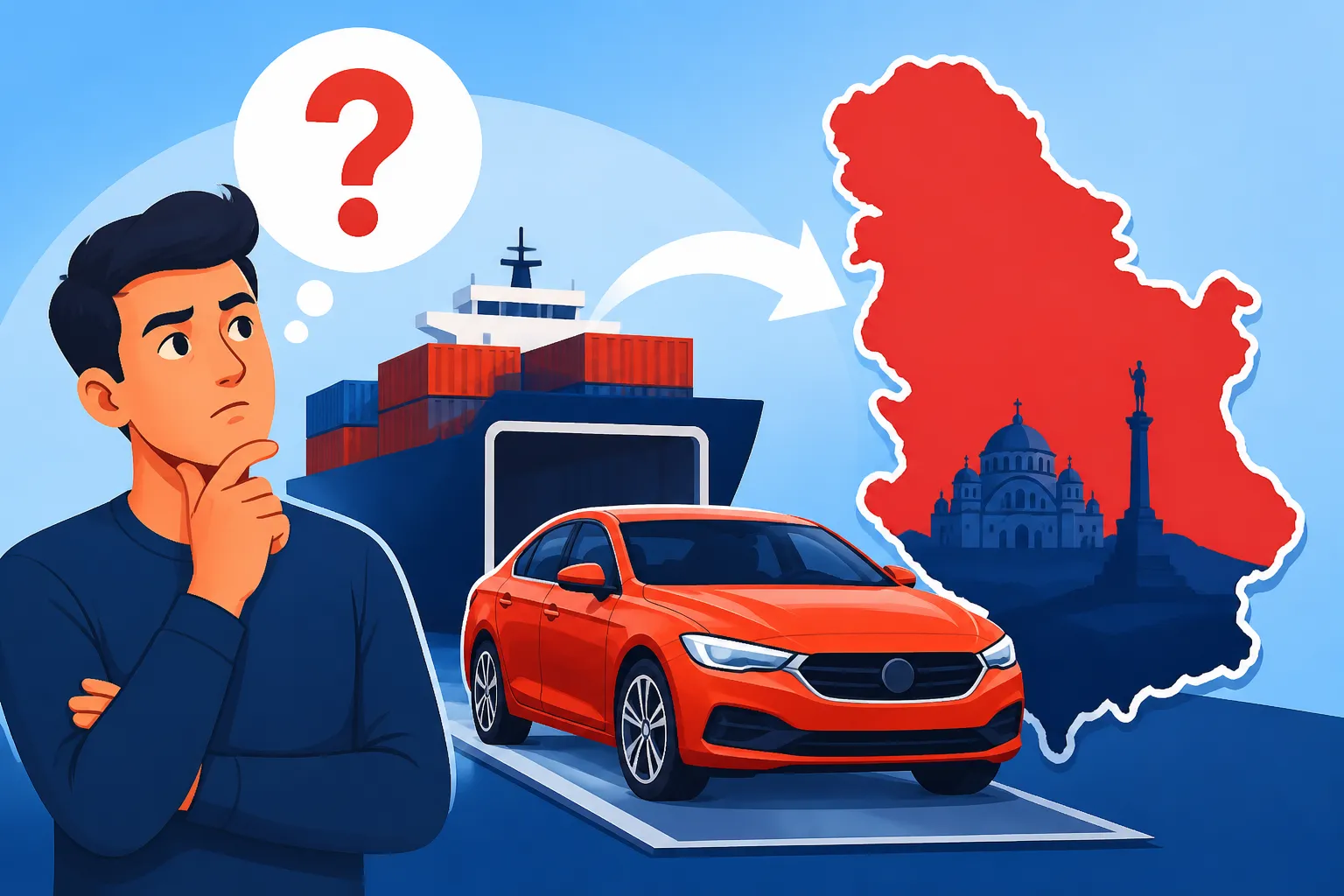
Ah, the trusty car! For many of us expats, our vehicle isn't just a mode of transport; it's a piece of home, a comfort, a symbol of freedom. You might be dreaming of cruising Serbia's scenic routes or simply wanting the convenience of your familiar ride for daily errands in Belgrade or Novi Sad. But let me tell you, bringing your car from abroad to Serbia is a journey in itself, and it's often far more complicated than people initially imagine. This guide is here to unpick the tangled threads of Serbian car import regulations, giving you a realistic, no-nonsense look at what it truly takes, so you can decide if it's a venture worth undertaking.
The Reality of Importing a Car to Serbia: Why It's Not as Simple as You Think
When you first consider moving to a new country, shipping your car often feels like a natural extension of moving your household goods. But in Serbia, it's quickly clear that vehicles are treated differently. The government has stringent rules, primarily aimed at regulating the quality, age, and environmental impact of cars on its roads, and also, frankly, to encourage buying local. This isn't just about customs fees; it's about navigating a labyrinth of standards and paperwork that can test even the most patient expat.
The romantic idea of simply driving your car across the border and keeping it here quickly fades when you encounter the reality of Serbian bureaucracy. Many expats arrive here, initially thinking they'll just keep their foreign plates for a while, only to discover that's a very short-term solution, if even possible under their residence status. What you need is a proper, legal import and registration, and that’s where the true challenge begins.
Age and Emission Standards: The First Hurdle
Serbia is very particular about the age and emission standards of imported vehicles, and this is often the first significant hurdle you’ll face. The country generally requires imported passenger vehicles to meet at least the Euro 5 emission standard. What does this mean for your beloved older car? Unfortunately, it often means it simply won't qualify for import.
For example, if you have a cherished older model from, say, 2008 or earlier, it's highly likely it won't meet the Euro 5 requirement, which became standard for most new vehicles sold in Europe around 2009-2010. This regulation aims to reduce air pollution, and while admirable, it can be a real heartbreak for expats attached to their older, reliable cars. Before you even think about shipping your car, you absolutely must check its Euro emission standard. This information is usually found in your car's manual or on its certificate of conformity. If it's Euro 4 or below, you might as well stop right there, as the process for such vehicles is either impossible or prohibitively complex and expensive, essentially designed to deter their import.
Bureaucracy and Red Tape: A Test of Patience
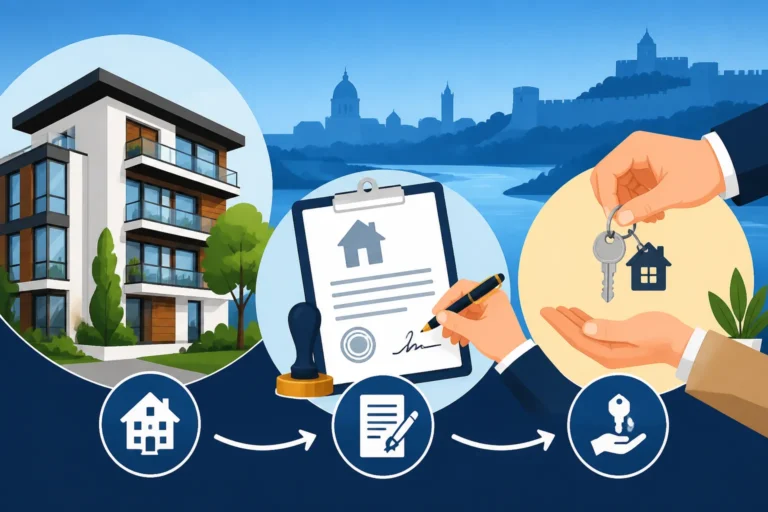
Even if your car meets the Euro 5 standard, you're not out of the woods yet. The Serbian import process is notoriously paperwork-heavy and requires numerous visits to various government agencies. You'll be dealing with customs, technical inspection centers, and the Ministry of Interior (MUP) for registration. Each step demands specific documents, often translated and notarized, and a fair bit of waiting.
Imagine this scenario: you've shipped your car, it arrives at customs, and you need to present a stack of documents. Then, you're sent to a technical inspection center for a 'homologation' check, which verifies that your vehicle meets Serbian technical standards – not just emissions, but everything from headlights to seatbelts. This can feel like a repeat of what your car has already been through in its country of origin, but it’s non-negotiable here. Then, armed with all these stamps and certificates, you head to the MUP for registration, where you'll need your residence permit and other personal documents. Misunderstandings, missing stamps, or incorrectly filled forms can easily set you back weeks or even months. It’s a process that demands a level of patience and persistence that many expats find exhausting. This isn't just a simple transfer; it's practically re-certifying your car for a new life.
Step-by-Step Guide to Importing Your Vehicle
Alright, so you’ve decided to brave the bureaucratic beast. You’ve checked your car's Euro standard, and it passes muster. What's next? This isn't an overnight process, nor is it a simple checklist. Each step can take time, require specific fees, and demand meticulous attention to detail. Having all your ducks in a row from the very beginning will save you a world of headaches down the line. It's truly a test of how badly you want that specific car on Serbian roads.
Initial Documentation and Customs Procedures: Getting Started
The first major hurdle is getting your car through customs. This happens at one of the designated customs points in Serbia, often a larger city like Belgrade. You cannot just drive your car in and sort it out later if you intend to permanently import it. It must be declared at the border or customs point.
You'll need a comprehensive set of documents for customs clearance. These typically include:
- Proof of ownership: Your original vehicle registration certificate (both parts if applicable).
- Purchase invoice/sales contract: Demonstrating the value of the car.
- Certificate of Conformity (COC): This document verifies that your vehicle meets EU standards and will often state its Euro emission standard. This is crucial.
- Your personal identification: Passport and your Serbian temporary residence permit (boravak). If you are still in the process of applying for your residence permit, it can complicate things significantly, as import is usually tied to your residency status. For more details on applying for your residence permit, check out our guide on how to apply for temporary residence (privremeni boravak) in Serbia.
- Power of attorney: If you’re using a customs agent (highly recommended, by the way, unless you're fluent in Serbian and have a deep understanding of customs law).
Once your car arrives at the customs point, it will undergo an inspection and its value will be assessed. This assessment is critical because import duties and VAT will be calculated based on this value. Be prepared for some waiting, as customs processes can take time, and clarity on exact fees sometimes only comes once they've had a good look at your vehicle. This is also where you'll declare its Euro standard, backed by your COC. Ensure you have copies of everything, and be ready to provide originals.
Technical Inspection and Homologation: Proving Roadworthiness
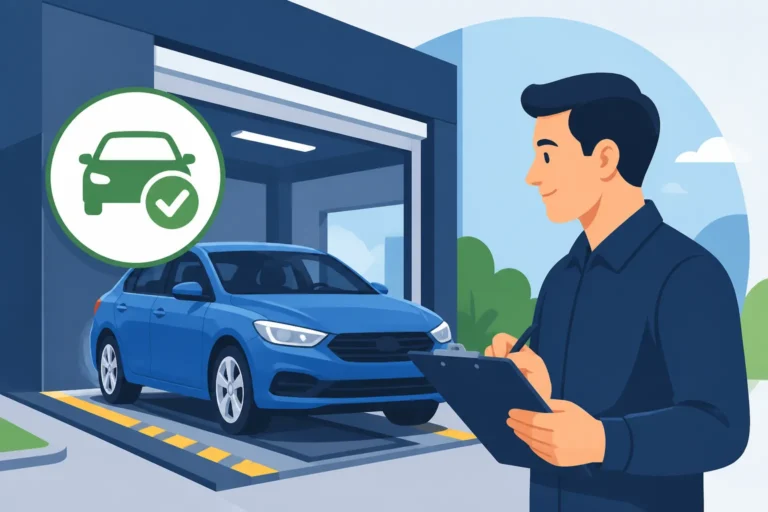
After customs clearance, your car needs to pass a technical inspection and homologation process. This step is designed to ensure your vehicle complies with all Serbian technical and environmental regulations, not just emissions. It’s handled by authorized technical inspection centers, often found in major cities.
During homologation, experts will verify:
- Euro Emission Standard: Reconfirming your vehicle meets the minimum Euro 5 standard.
- Technical Specifications: This includes checking things like lights, brakes, chassis number, engine number, and general roadworthiness. They’ll also ensure that any modifications are compliant.
- Documents: They'll cross-reference your vehicle's specifications with your provided documents.
This part of the process can be quite detailed. If anything is found to be non-compliant, you will be required to rectify it before you can proceed. This could mean minor adjustments or, in some unfortunate cases, more significant and costly repairs. The certificate issued after successful homologation is indispensable for the next step, which is registration. It essentially grants your foreign car a 'birth certificate' for Serbian roads.
Registration and Licensing: The Final Stretch
Congratulations, you've made it through customs and homologation! Now comes the final administrative stretch: registering your car with the Serbian Ministry of Interior (MUP) and obtaining Serbian license plates. This is the point where your vehicle officially becomes a Serbian-registered car. For all the steps involved in registering your vehicle, you might want to read our full guide on How to Register and License a Car in Serbia.
For registration, you'll generally need:
- Customs Declaration: Proof that you've cleared customs and paid all duties.
- Homologation Certificate: The golden ticket from the technical inspection center.
- Proof of Ownership: Your original vehicle documents.
- Proof of Identity and Residence: Your passport and valid Serbian residence permit.
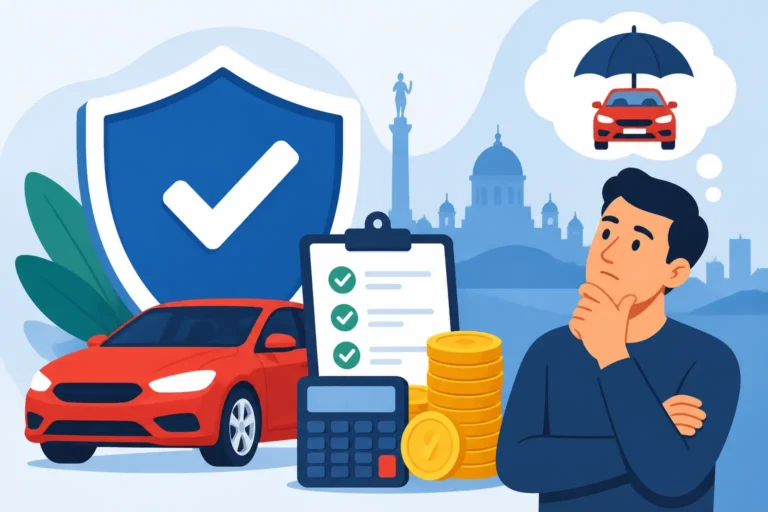
- Mandatory Car Insurance: You must purchase Serbian car insurance (obavezno osiguranje) before registration. This is non-negotiable. Our guide on How Much Is Car Insurance in Serbia? can give you more insights.
- Proof of Paid Road Tax: Annual road tax must be paid.
Once all documents are submitted and approved, you'll pay the registration fees and receive your new Serbian license plates and registration document. This is usually handled at the local MUP department responsible for vehicle registration. Be prepared for potential queues and to double-check that all your details are correctly entered. This is the culmination of a long, often frustrating, but ultimately rewarding process if you manage to keep your car.
Costs and Considerations: Is It Really Worth It?
This is where the rubber meets the road, so to speak. Many expats underestimate the financial burden and hidden costs of importing a car to Serbia. What initially seems like a way to save money or maintain familiarity can quickly escalate into an expensive endeavor, making you question if it was truly the best choice. It’s not just about the initial shipping fee; there’s a whole array of taxes, duties, and administrative costs that stack up.
Breakdown of Import Duties, VAT, and Other Fees
The primary financial hit comes from import duties and Value Added Tax (VAT).
- Import Duty: For vehicles imported from countries outside the Central European Free Trade Agreement (CEFTA) or EU, import duty can be significant, often around 12.5% of the vehicle's assessed customs value. If your car is from an EU member state, you might benefit from reduced or zero customs duty, provided you can present a valid EUR.1 certificate or a statement on the invoice proving its EU origin. This is a critical point to clarify beforehand.
- VAT (PDV): A standard 20% VAT (PDV) is applied to the sum of the vehicle's customs value plus any import duty. Yes, you pay tax on the tax!
- Homologation Fee: Expect to pay a fee for the technical inspection and homologation certificate, which can be several hundred euros.
- Registration Fees: These include administrative fees, road tax, and ecological charges. These vary based on engine size and power.
- Car Insurance: Mandatory Serbian car insurance will be another cost.
Let’s put this into perspective: A car valued at €10,000 from a non-EU country could easily incur €1,250 in duty and then €2,250 (20% of €10,000 + €1,250) in VAT, before even factoring in homologation, registration, and insurance. This quickly pushes the total cost well over €3,000 just in government-related fees, not including shipping. You can learn more about the vehicle inspection and registration in Serbia to prepare yourself.
Unexpected Costs and Potential Pitfalls
Beyond the direct taxes and fees, there are several indirect and often unexpected costs that can inflate your budget:
- Shipping Costs: The actual transport of your car to Serbia can range from €800 to €2,500 or more, depending on the origin country and method (container, Ro-Ro ship, or truck). If you're using international movers like Sirelo for your entire relocation, make sure to get a clear quote specifically for vehicle transport and understand the logistics involved in bringing it to a Serbian customs warehouse.
- Storage Fees: If there are delays in customs clearance, your vehicle might incur storage fees at the customs warehouse.
- Translation and Notarization: Many of your original documents will need to be officially translated into Serbian and notarized, adding a few hundred euros to the bill.
- Repairs for Homologation: If your vehicle fails any part of the technical inspection, you'll need to pay for repairs to bring it up to Serbian standards.
- Time Off Work: The sheer amount of time you’ll spend visiting offices, waiting, and dealing with paperwork translates to lost income or valuable personal time.
- Temporary Connectivity: Navigating this process will require constant communication and online research. Ensure you have reliable mobile data; an eSIM from providers like Airalo can be invaluable for staying connected without hunting for local SIM cards during your initial, busy weeks.
The bottom line is that these "hidden" costs can easily add another thousand euros or more to the total, turning a seemingly good idea into a budget-buster.
Comparing Costs: Import vs. Local Purchase
When you tally up all the potential costs – shipping, duties, VAT, homologation, registration, insurance, translations, and the value of your time – you'll often find that the total expense of importing your car can be substantial. For many, it approaches or even exceeds the cost of buying a comparable, good-condition used car already registered in Serbia.
Let's look at a quick comparison:
| Cost Item | Importing a Car (Estimate) | Buying a Used Car Locally (Estimate) |
|---|---|---|
| Purchase Price (Car) | Original Car Value | €5,000 – €15,000 (for a decent model) |
| Shipping | €800 – €2,500 | €0 |
| Import Duties (non-EU) | 12.5% of customs value | €0 |
| VAT (PDV) | 20% (on value + duty) | Already included in purchase price |
| Homologation/Technical | €200 – €500 | €50 – €100 (annual technical check) |
| Registration Fees | €200 – €500 | €200 – €500 (annual renewal) |
| Car Insurance | €200 – €400 | €200 – €400 |
| Translations/Notary | €100 – €300 | €0 |
| Time/Frustration | High | Low |
| Potential Repairs | Variable (homologation) | Variable (pre-purchase inspection) |
| TOTAL (Excluding Car Value) | €1,700 – €6,200+ | €250 – €600 |
Note: Car values vary wildly. These are general estimates for illustrative purposes.
As you can see, the initial outlay for importing is significantly higher. Unless your car is a rare, sentimental, or highly specialized vehicle that you simply cannot replace, the financial argument for importing often falls apart. It's usually more economically sensible to sell your car in your home country and allocate those funds towards purchasing a vehicle locally. Considering the overall Cost of Living in Serbia for expats, every saving counts, and sinking thousands into a potentially depreciating asset via import might not be the smartest move.
Alternatives to Importing Your Car
Given the complexities and costs, many expats ultimately choose not to import their car. The good news is that Serbia offers several viable alternatives that can be much simpler and more cost-effective. You don't have to give up your mobility entirely; you just need to adjust your approach.
Buying a Used Car Locally: Simpler and Often Cheaper
This is, by far, the most common and recommended path for expats who want a car in Serbia. The used car market here is quite active, particularly in larger cities like Belgrade and Novi Sad. You'll find a decent selection of European brands, with many cars already meeting Serbian standards and registration requirements.
Advantages:
- No Import Headaches: You bypass all the customs, homologation, and extensive initial registration processes. The car is already here and legally on the road.
- Lower Initial Outlay: While you'll still pay for the car itself, you avoid the thousands in import duties, VAT, and shipping.
- Familiarity with Local Market: You can easily inspect cars, negotiate prices, and often get a better feel for what's available and what’s a fair price.
- Easier Registration Transfer: The process of transferring ownership from the previous Serbian owner to you is relatively straightforward, requiring a bill of sale, proof of identity, and a visit to the MUP. You will also need to pay for annual vehicle registration in Serbia, and ensure you have valid insurance. To get started, you'll need to know How to Buy a Car as a Foreigner in Serbia.
Considerations:
- Finding a Reliable Dealer/Seller: As with any used car market, due diligence is key. Look for reputable dealerships or private sellers with good reviews. Consider hiring a local mechanic for a pre-purchase inspection.
- Language Barrier: While many sellers in larger cities might speak some English, having a Serbian-speaking friend or agent with you can be invaluable for negotiations and understanding terms.
- Used Car Condition: Be realistic about what you can get for your budget. While cars are generally cheaper here than in Western Europe, some older models might require more maintenance.
Overall, buying a used car in Serbia is the pragmatic choice for most expats. You gain mobility without the monumental stress of importing.
Leasing or Renting a Vehicle: Short-Term Solutions
If you only need a car for a specific period, or you're still undecided about long-term ownership, leasing or renting are excellent short-term alternatives. This is particularly useful for new arrivals who are still getting their bearings or those on temporary assignments.
Renting:
- Flexibility: Ideal for short stays, road trips, or if you need a car sporadically. You can rent for a day, a week, or even a month.
- No Maintenance Worries: The rental company handles all maintenance, insurance, and registration.
- Variety of Options: From small city cars to larger SUVs, you can choose a vehicle that suits your immediate needs.
- Convenience: Many international and local rental agencies operate in major cities and at airports (e.g., Hertz, Avis, local Serbian companies).
Leasing:
- Medium to Long-Term: A more cost-effective option than continuous short-term rentals if you need a car for several months to a few years.
- Newer Vehicles: Lease agreements often involve newer models, providing reliability and modern features.
- Fixed Monthly Costs: Budgeting becomes easier with predictable monthly payments that often include insurance and maintenance.
Considerations for Both:
- Cost: While initially cheaper than buying, long-term rental or leasing can become more expensive over several years.
- Deposit/Credit Checks: Rental companies typically require a security deposit, and leasing companies will conduct credit checks, which can be tricky for newcomers without a local credit history.
- Insurance: Always clarify what kind of insurance is included and what your liability is in case of an accident.
For many expats, a rental car during the initial weeks or months helps bridge the gap while they navigate the broader administrative landscape of moving to Serbia and decide on a long-term transport solution.
Relying on Public Transport: A Sustainable Option
Finally, don't underestimate the public transport system, especially if you're living in a major city like Belgrade or Novi Sad. It's often a much more sustainable, and certainly cheaper, way to get around.
Belgrade's Public Transport:
- Extensive Network: Belgrade has a comprehensive network of buses, trams, and trolleybuses that cover most of the city. While it can be crowded, it’s generally efficient.
- Cost-Effective: A monthly pass (BusPlus card) is incredibly affordable compared to car ownership costs, including fuel, parking, and maintenance. You can read more about How to Use Public Transport in Belgrade.
- Environmental Impact: It’s a greener way to commute, reducing your carbon footprint.
- No Parking Hassles: Parking in Belgrade, especially in the city center, can be a nightmare and expensive. Public transport eliminates this stress entirely.
Novi Sad's Public Transport:
- Similar to Belgrade, Novi Sad also has a well-developed bus network that makes getting around the city and its surrounding areas quite feasible without a private car.
Considerations:
- Crowds: Peak hours can be very busy, particularly on popular routes.
- Language: While destinations are usually clearly marked, navigating can be easier with a local app or some basic Serbian phrases.
- Limited Reach: While excellent within cities, public transport for inter-city travel (outside major routes) or exploring rural areas can be less frequent or convenient.
For expats embracing city life, public transport is often the default and perfectly adequate solution. It saves you money, reduces stress, and allows you to immerse yourself more in local daily life. You can also combine it with occasional taxi rides or ride-sharing apps (like CarGo in Belgrade) for specific needs. If you’re truly looking to embrace the local way of life and save some cash, foregoing the car and relying on buses and trams might just be the best decision.
Remember, the goal is to make your life in Serbia as smooth as possible. While the sentimental value of your own car is understandable, the practicalities often weigh heavily against importing it. Evaluate your needs, your budget, and your patience levels before making a final decision.
Disclaimer
The information provided in this guide is for general informational purposes only and does not constitute legal or financial advice. Regulations regarding vehicle import, taxes, and registration in Serbia can change frequently. It is essential to consult with official Serbian customs authorities, the Ministry of Interior (MUP), and a qualified local legal or customs agent for the most current and specific advice pertaining to your individual circumstances. We are not responsible for any decisions made based on this information.