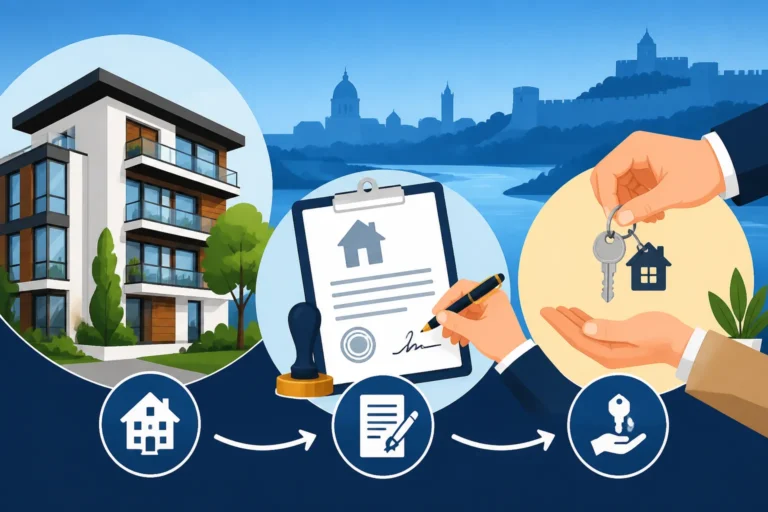
Understanding the Deposit and Rental Agreement Process in Serbia
Navigating the rental market in a new country can feel like a labyrinth, especially when it comes to understanding the ins and outs of deposits and rental agreements in Serbia. Many expats arrive here, brimming with excitement, only to find themselves utterly baffled by local customs, unwritten rules, and the crucial legal specifics of securing a home. This guide will meticulously break down the entire process, from understanding your lease to getting your deposit back, ensuring you’re well-equipped to rent with confidence and peace of mind.
Understanding the Rental Agreement (Ugovor o zakupu)
When you're looking for a place to call home in Serbia, the rental agreement, or Ugovor o zakupu, is the cornerstone of your tenancy. It’s not just a piece of paper; it’s your legal protection and outlines the obligations of both you and your landlord. Ignoring its importance, or signing something you don't fully comprehend, is a surefire way to run into problems down the line.
The Legal Framework and Why It Matters
In Serbia, rental agreements are primarily governed by the Law on Obligations (Zakon o obligacionim odnosima), and while it might not be the most thrilling bedtime reading, understanding its implications for tenants is crucial. While not strictly mandatory by law for a contract to be valid, having a written agreement, ideally notarized, is highly recommended. A verbal agreement might seem convenient initially, but when disputes arise – and believe me, they can – you'll be left with little to no legal recourse, relying solely on good faith, which isn't always reliable with money on the line. A properly executed contract clarifies everything from rent payment to notice periods, acting as a binding document that protects both parties. It also provides the necessary proof for your How to Register My Address (Prijava) in Serbia and other bureaucratic hurdles.
For us expats, the importance of a detailed, written contract is amplified. Not only are we dealing with a new language and legal system, but we might also encounter landlords who operate on the fringes of official procedures. A clear, comprehensive Ugovor o zakupu protects you from sudden rent increases, unwarranted evictions, and disputes over property condition. It should clearly state the names of both the landlord and tenant, the address of the property, the monthly rent, the duration of the lease, and any specific terms and conditions agreed upon. Don't be shy about asking for clarification or even asking for a draft to review with a legal professional before signing. It's your right, and it can save you a world of trouble.
Essential Information to Include
A robust rental agreement should cover all the critical aspects of your tenancy. Beyond the basics of names, address, and rent, it should detail exactly what’s included in the rent (e.g., building maintenance fees, utilities, internet), and what you’re expected to pay separately. This clarity is paramount for budgeting and avoiding unexpected costs. You don't want to move in only to find out you're responsible for a hefty central heating bill that wasn't mentioned.
Crucially, the contract should explicitly state the amount of the security deposit, the conditions under which it can be used, and the timeline for its return at the end of the tenancy. It should also specify the notice period required if either party wishes to terminate the agreement, which is typically 30 days but can vary. Any clauses regarding subletting, pets, or significant alterations to the property should also be clearly outlined. For example, if you have a furry friend, ensure the pet clause is in writing, specifying any additional deposit or conditions. I've heard too many stories of expats facing eviction threats because a verbal "yes" to pets suddenly became a "no" when a neighbour complained.
The Signing Process and Translations
The signing of the rental agreement is a moment of commitment, so make sure you understand every single word. Ideally, the contract should be bilingual if you don't speak Serbian fluently, or at the very least, you should have a certified translation of the document. Do not rely on Google Translate for something this important; legal nuances can be lost, leading to misinterpretations. If a landlord insists on a Serbian-only contract and refuses to provide a translation or allow you to bring one, consider it a red flag. A reputable landlord will understand your need for clarity.
Once you and your landlord agree on all terms, both parties will sign the contract. It's common practice for the agreement to be signed in two identical copies, one for each party. While notarization isn't always a must-have for validity between private individuals, it adds an extra layer of legal security, especially for the landlord in case of non-payment or eviction. For foreigners, a notarized contract can sometimes simplify other administrative tasks, such as applying for temporary residence (Privremeni Boravak) in Serbia. Make sure you receive your signed copy immediately. Never leave the premises without it.
Navigating the Security Deposit (Depozit): Your Money's Safe-Keeping
Ah, the depozit – the bane of many a tenant’s existence worldwide, and Serbia is no exception. This chunk of your hard-earned cash is held by your landlord, theoretically, to cover potential damages or unpaid rent. For expats, understanding how this works can be particularly tricky, as local norms might differ from what you’re used to.
Standard Deposit Amounts and Payment
In Serbia, the standard security deposit typically amounts to one month's rent. However, it's not uncommon for landlords, especially those renting out higher-end properties or to foreigners, to request a deposit equivalent to two or even three months' rent. This can feel like a significant upfront cost, so always be prepared for this possibility in your budget. It's often negotiable, so if you're a desirable tenant (stable income, good references), don't be afraid to try and haggle a little, especially if you're prepared to sign a longer-term lease.
The deposit is almost always paid in cash, usually at the time of signing the contract. It’s absolutely vital to get a written receipt for this payment. This receipt should clearly state the amount received, the date, the purpose (security deposit for apartment at [address]), and be signed by the landlord. Without a receipt, proving you paid the deposit later on can be incredibly difficult, leaving you vulnerable. Some landlords might try to keep things "off the books," but this offers no protection to you. Insist on a clear, signed document. This often comes hand-in-hand with How to Sign a Rental Contract and Pay a Deposit in Serbia.
The Purpose of the Deposit and What It Covers
The security deposit is not just a random payment; it serves a specific purpose. It acts as the landlord's insurance policy against potential financial losses caused by the tenant. This primarily includes:
- Unpaid rent or utility bills: If you skip out on your last month's rent or leave behind a pile of unpaid electricity bills, the landlord can deduct these from your deposit.
- Damages to the property: This is the most common reason for disputes. The deposit is meant to cover repairs for damages that go beyond normal wear and tear. A broken window, a hole in the wall, or a severely stained carpet would fall under this category.
- Cleaning costs: If you leave the apartment in a state that requires extensive professional cleaning, the landlord might use part of the deposit for this.
It's crucial to understand the distinction between damage and normal wear and tear. A landlord cannot legally deduct from your deposit for things like faded paint, minor scuffs on the floor, or general aging of appliances that come with everyday use. These are considered normal wear and tear. However, defining "normal" can be subjective, which leads us to the next point.
Protecting Your Deposit: Inventory and Condition Reports
This is perhaps the most critical step you can take to safeguard your security deposit. Before you even unpack your bags, conduct a thorough inventory and condition check of the apartment. This involves documenting the state of every item in the apartment and the property itself.
Here’s how to do it:
- Take photos and videos: Document every room, every piece of furniture, and every appliance. Pay special attention to any existing damages, no matter how small – a chip on a counter, a scratch on the floor, a stain on a sofa. Date-stamped photos are ideal.
- Create a written inventory list: Go room by room and list every item provided by the landlord (furniture, kitchenware, linens, etc.). Next to each item, note its condition. For example, "Living Room: Sofa (good condition, minor scuff on left armrest), Coffee table (stable, small scratch on surface)."
- Share and sign: Present this detailed inventory and condition report to your landlord. Both you and the landlord should sign and date this document, acknowledging the initial state of the property. Make sure you both keep a copy. If the landlord refuses, still keep your own documented evidence.
This meticulous approach creates an undeniable record of the apartment’s condition before you moved in. When you move out, you'll have solid proof against claims of damages you didn't cause. I've seen too many expats lose their deposits over "damages" that were already there, simply because they didn't take the time to document properly. This step might seem tedious, but it is your best friend when it comes to getting your How Do I Get My Rental Deposit Back in Serbia? in full.
Key Clauses and What to Watch Out For in Your Contract
Beyond the deposit, a Serbian rental agreement will contain various clauses that define your rights and responsibilities. Some are straightforward, others less so, and knowing what to look for can prevent future headaches.
Rent Payment Terms and Utility Responsibilities
Your contract must clearly state the monthly rent amount, the currency (usually RSD or sometimes indexed to EUR), the due date for payment, and the preferred method of payment. While many landlords prefer cash, especially if they are renting informally, bank transfers are safer and provide a clear paper trail. If paying cash, always insist on a signed and dated receipt for each payment.
Regarding utilities, the contract should specify exactly which utilities are included in the rent and which ones you are responsible for paying. Common utilities include electricity (struja), water (voda), central heating (grejanje), internet (internet), and building maintenance fees (infostan). In Serbia, infostan often covers water, garbage collection, and sometimes central heating for apartments. It's crucial to clarify who receives these bills and how they are to be paid. Will the landlord forward them to you? Are they registered in your name? Many landlords simply collect the utility money from you and pay the bills themselves, but ideally, you'd want proof that these bills are actually being paid. Having bills transferred to your name directly gives you control and transparency. This is part of The Expat Guide to Setting Up Utilities (Electricity, Water, Heating) in Serbia.
Maintenance, Repairs, and Wear & Tear
This is another area ripe for dispute. Your rental agreement should ideally differentiate between minor repairs (e.g., changing a light bulb, tightening a loose screw) which are typically the tenant's responsibility, and major repairs (e.g., boiler breakdown, leaking pipes, structural issues) which fall to the landlord. Without this clarity, you might find yourself footing the bill for a broken washing machine that was faulty when you moved in.
The contract should also address how repairs are initiated and who pays for them. For example, if a pipe bursts, do you call a plumber, or does the landlord? How quickly must the landlord respond to repair requests? What happens if repairs make the apartment uninhabitable for a period? A well-drafted contract will have provisions for these scenarios. Remember the "normal wear and tear" distinction we discussed regarding deposits – this applies here too. Any damage caused by your negligence (e.g., you dropped a heavy object and cracked a floor tile) is likely your responsibility, but general aging is not.
Notice Periods and Early Termination
Life as an expat can be unpredictable, and you might need to leave Serbia sooner than expected, or perhaps you find a better apartment. The notice period clause outlines how much advance warning either you or the landlord must give before terminating the lease. Typically, this is 30 days. Ensure this is explicitly stated in your agreement.
What if you need to terminate the contract early, before the agreed-upon lease duration ends? This is where an "early termination clause" comes into play. Some contracts might allow it with a penalty (e.g., forfeiting your deposit or paying an additional month's rent), while others might stipulate you are responsible for the rent until a new tenant is found, or until the end of the original lease term. It's vital to understand these terms before you sign. If there's no such clause and you need to leave early, you'll be at the mercy of your landlord's goodwill, which isn't always reliable. Discuss these scenarios with your landlord upfront and try to get a reasonable early termination clause included if possible. For larger items and moving, services like Sirelo can help you manage the logistics of an unexpected move, but the contractual obligations remain paramount.
The Importance of the Prijava Boravka (Address Registration)
This often overlooked step is absolutely fundamental for expats in Serbia, yet it's something many landlords conveniently sidestep. The prijava boravka, or address registration, is not just a formality; it's a legal requirement with significant implications for your legal status and future administrative tasks.
Why You Must Register Your Address
As a foreigner holding a temporary residence permit (privremeni boravak) or even just a D-Visa in Serbia, you are legally obliged to register your temporary address with the police within 24 hours of arriving at your new place (or within 24 hours of receiving your permit, if you're already in Serbia). This is called the 'white card' or beli karton process, which now often involves the landlord reporting your stay electronically. Failing to do so can lead to hefty fines, issues with extending your residence permit, or even problems when exiting the country. The authorities need to know where you live; it's part of keeping track of foreign nationals. Your landlord has a legal obligation to facilitate this for you.
Without a prijava boravka tied to your rental contract, you will struggle with almost every other bureaucratic process. You can't successfully extend your residence permit, open a bank account at certain institutions, or even get certain services in your own name if you don't have this official record. It's the paper trail that proves you are a legitimate resident at a given address, linking your rental agreement to your legal status in the country. Many expats, unaware, find themselves scrambling when it's time to renew their residence permit, only to realize their landlord never properly registered them. This is a crucial step detailed in How Do I Register My Address (Prijava) in Serbia?.
The Landlord's Role and Responsibilities
Your landlord has a legal duty to register your stay. Historically, this involved going to the local police station with your passport and the lease agreement. Nowadays, many landlords, especially those renting out officially, use an online system to report your presence electronically, which is much more efficient. However, not all landlords are diligent about this, or some prefer to keep their rental income undeclared to avoid taxes. These are the "unofficial" rentals, and while they might offer slightly lower rent, they come with substantial risks for you, the tenant.
Insist that your landlord completes the prijava boravka process. If they are hesitant or refuse, it's a major red flag. It means they are likely operating informally, which could jeopardize your legal status in Serbia. While you can sometimes try to register yourself, it’s far smoother and safer when the landlord is cooperative. If they use the online system, ask for a printout or a screenshot of the confirmation that your address has been registered. This proof is invaluable.
Consequences of Not Registering
The consequences of not registering your address can range from inconvenient to severe. At best, you might face delays or difficulties with other administrative tasks, forcing you to find a new apartment and go through the registration process quickly. At worst, you could be fined, have your temporary residence permit renewal denied, or even face deportation if it's considered a repeated offense.
The Serbian Ministry of Interior (MUP) takes this seriously. They want to know who is living where. It might seem like an archaic rule to some, but it’s a reality of living in Serbia. Always choose a landlord who is willing to process your prijava boravka without hesitation. It shows they are reputable and operating within the legal framework, which ultimately protects you. Even if you're just looking for short-term accommodation for a month or two, this rule still applies. Staying connected with a local SIM, easily done through an eSIM provider like Airalo, can help you coordinate these vital administrative tasks from day one.
What Happens at the End of Your Lease?
The end of a lease can be a stressful time for any tenant, but for expats, it often brings anxieties about deposit returns and handover procedures in an unfamiliar system. Being prepared can make all the difference.
Inspection and Handover Procedures
When your lease is nearing its end, you and your landlord should arrange a final inspection of the property. This is your opportunity to demonstrate that you've kept the apartment in good condition and fulfill your contractual obligations. Ideally, this inspection should mirror the initial condition report you created when you moved in.
During the inspection:
- Refer to your initial inventory and photos: Bring your copy of the signed inventory and all the photos/videos you took. This is your primary evidence.
- Point out normal wear and tear: Gently remind the landlord of existing scuffs or aging items that were present from the start.
- Address any new damages: Be prepared to discuss any new damages that occurred during your tenancy. If they are your fault, be ready to negotiate a fair cost for repair.
- Cleaning: Ensure the apartment is thoroughly cleaned. While some landlords expect professional cleaning, usually a good deep clean by you will suffice unless specified otherwise in the contract.
It's wise to take another set of date-stamped photos and videos after you've cleaned and moved all your belongings out. This provides evidence of the condition you left the apartment in. If possible, have a witness present during the handover.
Deposit Return Timeline and Deductions
The contract should ideally specify a timeline for the return of your security deposit. In Serbia, it's common for landlords to return the deposit within 30 days of the lease termination and after deducting any outstanding utility bills or costs for legitimate damages. Don't expect to get it back on the day you hand over the keys. Landlords often need time to check utility consumption and assess any damages properly.
If the landlord intends to make deductions, they should provide an itemized list of these deductions, along with receipts or quotes for repairs/cleaning. For example, if they claim a window was broken and cost 50 EUR to replace, they should show you the receipt for the new window and installation. Do not accept vague explanations or arbitrary figures. You have the right to question any deductions and ask for proof.
Resolving Disputes Over the Deposit
Despite your best efforts, disputes over the security deposit can still arise. This is where your detailed documentation (contract, initial condition report, photos, payment receipts) becomes your superhero.
Here’s a general approach:
- Communicate calmly: First, try to resolve the issue directly with your landlord through polite communication. Present your evidence and explain why you believe the deductions are unfair or unjustified.
- Written correspondence: If direct conversation fails, follow up with written communication (email or registered letter) summarizing your position and reiterating your request for the deposit. This creates a paper trail.
- Mediation: For smaller disputes, involving a mutual acquaintance or a trusted Serbian friend to mediate might help, especially if there's a language barrier.
- Legal action (last resort): If all else fails, and you believe you have a strong case, you can consult a lawyer to explore legal options. This is typically a last resort, as legal proceedings in Serbia can be time-consuming and costly, potentially outweighing the amount of the deposit itself. However, sometimes the threat of legal action, backed by solid evidence, is enough to encourage a landlord to be reasonable. Understanding How Do I Resolve a Dispute with My Landlord in Serbia? is crucial here.
Common Pitfalls and How to Avoid Them
The Serbian rental market, like any other, has its quirks and potential traps for the unwary. Being forewarned is being forearmed.
Verbal Agreements vs. Written Contracts
As mentioned earlier, the biggest pitfall is relying on verbal agreements. While a handshake and a promise might feel culturally warm and trusting, when money and legal obligations are involved, it offers zero protection. I’ve seen countless expats get burned by landlords who suddenly change their minds about rent, pets, or even demand immediate eviction because there was no written proof.
Always, always insist on a written rental agreement. If a landlord is unwilling to provide one, or makes excuses, walk away. It's simply not worth the risk, no matter how charming they seem or how perfect the apartment appears. A written contract, even a basic one, establishes clear terms and provides a legal foundation for your tenancy.
Dodgy Landlords and Unofficial Rentals
The Serbian rental market, particularly in popular expat cities like Belgrade and Novi Sad, unfortunately has its share of landlords who prefer to operate "under the radar." This usually means they want to avoid declaring income and paying taxes, which translates to no official contract, no prijava boravka, and a cash-only arrangement without receipts.
While these unofficial rentals might sometimes come with a slightly lower price tag, the risks far outweigh the potential savings. You have no legal standing, no protection against eviction, no way to get your deposit back, and you risk violating immigration laws by not registering your address. A landlord who wants to operate unofficially is not looking out for your interests. They are looking out for their own. If you're using a real estate agent, ensure they are reputable and guide you through the official processes. This also relates to How Do I Find a Trustworthy Landlord in Belgrade?.
Overlooking Hidden Costs and Clauses
Sometimes the pitfalls aren't outright scams, but simply overlooked details in the contract that come back to bite you. Common hidden costs include unexpected utility charges (e.g., infostan not covered, or high heating bills in winter), or charges for minor repairs that the landlord expects you to pay.
Always read your contract thoroughly, perhaps several times, and get clarification on anything you don't understand. If something isn't explicitly mentioned, assume it's not covered. For instance, if the contract doesn't say who pays for building maintenance fees, ask. If it doesn't mention internet, ask if it's included or if you need to set up your own. Don't be afraid to negotiate the inclusion of certain items or clarify responsibilities before signing. It's much easier to iron out these details upfront than to argue about them later. A helpful checklist to review the rental contract could look something like this:
| Aspect | Checkpoint | Action for Tenant |
|---|---|---|
| Contract Type | Is it a written Ugovor o zakupu? | Insist on a written contract; avoid verbal agreements. |
| Parties & Property | Correct names of landlord & tenant, full address, ID numbers. | Verify all personal and property details. |
| Rent Amount & Currency | Clearly stated monthly rent, in RSD or EUR. | Confirm amount, currency, and what's included. |
| Payment Method & Due Date | Cash/bank transfer, specific due date each month. | Agree on method; always get receipts for cash payments. |
| Security Deposit | Amount, conditions for use, and timeline for return. | Get a receipt; understand deductions; aim for 1 month's rent. |
| Inventory/Condition | Detailed list of items & their condition at move-in. | Conduct thorough photo/video inventory with landlord; both sign. |
| Utility Responsibility | Which utilities are included, which are separate, and who pays. | Clarify who pays what (electricity, water, heating, internet, infostan). |
| Maintenance/Repairs | Delineation between tenant & landlord responsibilities for repairs. | Understand who fixes what; clarify emergency procedures. |
| Lease Duration | Start and end dates of the tenancy. | Be clear on fixed-term vs. indefinite. |
| Notice Period | Required notice for termination by either party. | Ensure a reasonable notice period (e.g., 30 days). |
| Early Termination | Clauses regarding breaking the lease early (penalties, etc.). | Discuss and understand any penalties for early exit. |
| Prijava Boravka | Landlord's commitment to register your address. | Insist on prijava boravka; get proof of registration. |
| Pets/Subletting | Any specific rules or prohibitions. | Get specific permissions in writing if applicable. |
| Language | Contract in Serbian, with certified translation or bilingual. | Ensure you understand every word; use a professional translator if needed. |
This table serves as a quick reference when you're reviewing that crucial document. Take your time, ask questions, and don't feel pressured to sign anything until you're completely satisfied.
Disclaimer
The information provided in this guide is for general informational purposes only and does not constitute legal, financial, or professional advice. While we strive to provide accurate and up-to-date information, laws and regulations in Serbia can change. It is highly recommended that you consult with a local legal expert or real estate professional for advice tailored to your specific situation before entering into any rental agreement.