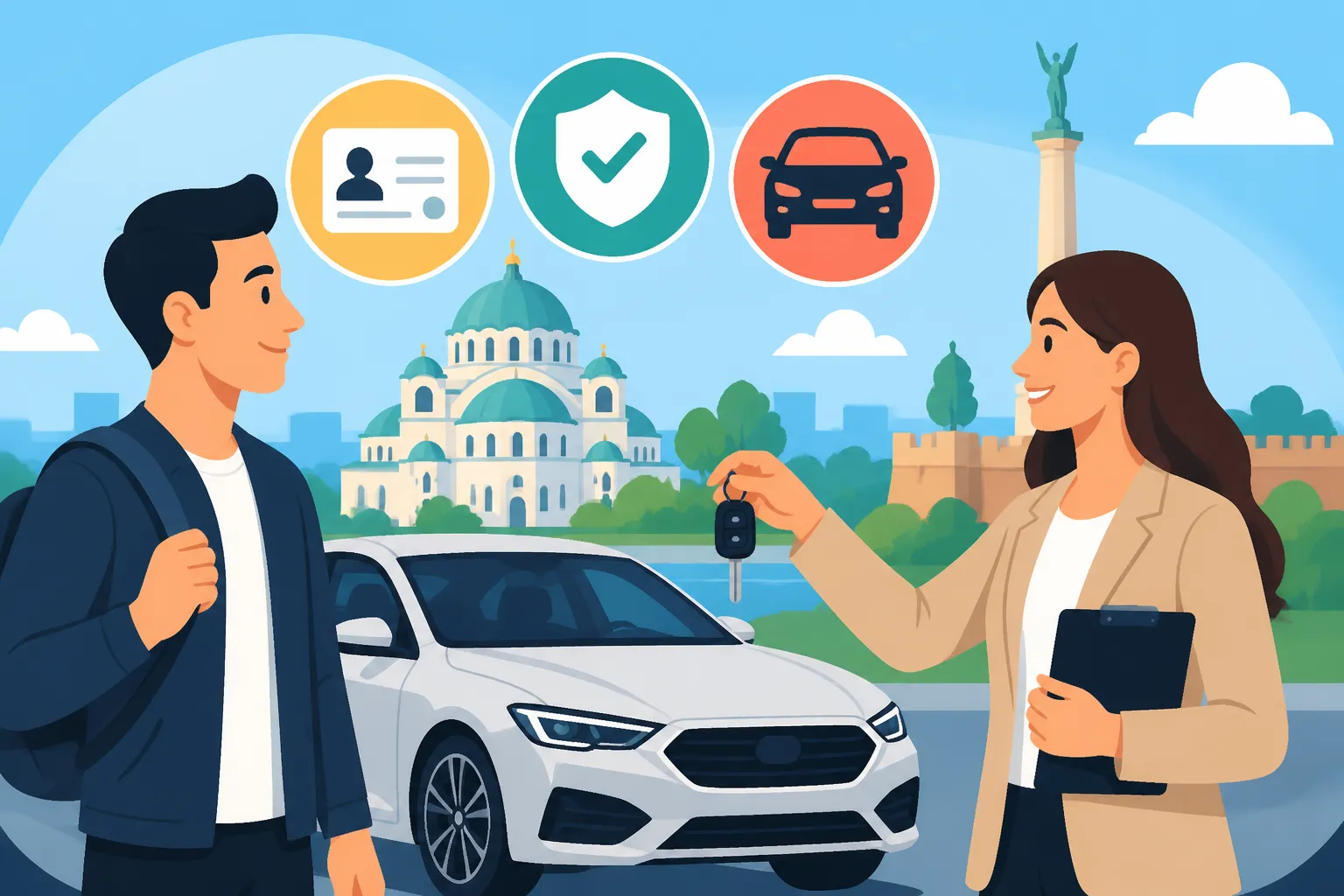
Understanding How to Buy a Car as a Foreigner in Serbia
Alright, let's talk cars in Serbia. For many of us expats, life here feels a lot more accessible once we have our own wheels. Public transport in Belgrade or Novi Sad is decent, sure, but venture outside the city limits, or even try to do your weekly grocery shop without lugging heavy bags on a bus, and you'll quickly feel the limitations. This guide is all about cutting through the red tape and confusing advice to give you the real lowdown on how to buy a car in Serbia as a foreigner, from navigating the market to tackling the inevitable bureaucracy.
Why a Car in Serbia? The Expat Perspective
Moving to a new country like Serbia, you might initially think you can get by just fine without a car. And for city living, especially in Belgrade, you often can. The bus, tram, and trolleybus networks are extensive, and taxis are relatively affordable. However, the moment you want to explore beyond the immediate urban sprawl, visit some of the stunning national parks, or simply have the freedom to choose your own schedule, that idea quickly changes.
The Freedom of the Open Road
Owning a car in Serbia truly opens up the country in a way that public transport simply can't. Imagine spontaneous road trips to Fruška Gora, exploring the ancient fortresses along the Danube, or visiting charming rural villages that are practically inaccessible by bus. This isn't just about tourism; it's about integrating into the lifestyle, getting to those out-of-the-way shops, or meeting friends in different towns without coordinating complex bus schedules. It gives you a sense of independence that many of us expats crave, especially when we're still figuring out the local rhythms.
The ability to simply hop in your car and go can drastically improve your quality of life. Need to get to the airport at an odd hour? No problem. Want to buy furniture from a store outside the city center? Easy. Plus, if you have kids, school runs, extracurricular activities, and weekend outings become infinitely less stressful. It's an investment in your personal freedom and convenience, one that many expats eventually find indispensable.
Public Transport Realities vs. Personal Vehicle
While The Expat Guide to Public Transport in Serbia can help you navigate urban areas, the reality is that outside of Belgrade and Novi Sad, public transport options diminish rapidly. Intercity buses exist, but they can be slow, crowded, and not always run on convenient schedules. Trains are even less prevalent for many routes. For instance, getting to a hiking trail in Tara National Park or exploring the wineries in Sremski Karlovci without a car requires significant planning, multiple connections, and a generous amount of patience.
Furthermore, carrying groceries, especially during a sweltering Serbian summer or a snowy winter, quickly makes you appreciate the utility of a personal vehicle. Even within cities, while coverage is good, direct routes aren't always available, forcing transfers and longer travel times. For some, the thought of spending an hour on a bus just to get across town, when a 15-minute drive would suffice, is enough to start browsing car ads.
Hidden Costs and Practicalities
Before you jump in, it's crucial to acknowledge that car ownership comes with its own set of responsibilities and costs. It’s not just the purchase price; you need to factor in registration fees, insurance, maintenance, fuel, and potential parking expenses. While Serbia's cost of living can be lower than in many Western countries, these regular outlays can add up.
You also need to think about where you'll park, especially in older buildings in dense city centers where parking can be a real headache. Garages or dedicated parking spots often come at an additional cost, or you might find yourself circling blocks for ages. Understanding How Much Does It Cost to Run a Car in Serbia per Month? is a vital step in your decision-making process. Don't forget the time commitment for technical inspections, renewals, and unexpected repairs – these are all part of the package.
Navigating the Serbian Car Market: New vs. Used
Once you've decided that a car is indeed for you, the next big question is: new or used? Both options have their pros and cons, and the Serbian market offers a wide variety for both. It's often a balance between budget, desired reliability, and the willingness to deal with potential administrative quirks.
Buying a New Car from a Dealership
Purchasing a new car in Serbia is probably the most straightforward option, though certainly not the cheapest. You walk into an official dealership, pick your model, pay the price (often in Euros or Dinar, depending on the dealer's preference and your agreement), and they handle most of the initial paperwork for you. This often includes the first registration, plates, and sometimes even the mandatory insurance. Brands like Škoda, Fiat, Dacia, Hyundai, and Toyota are very popular and have strong dealership networks in major cities like Belgrade, Novi Sad, and Niš.
The advantages are clear: you get a brand-new vehicle with a warranty, no hidden mechanical issues, and the latest safety features. You also avoid the headaches of checking vehicle history or negotiating with private sellers. The downside, of course, is the cost. New cars in Serbia, while possibly slightly cheaper than in some EU countries due to tax structures, still represent a significant investment. You might find that some models or trims available in Western markets aren't readily offered here, so be prepared for potentially fewer options.
Hunting for a Used Gem: Pitfalls and Preferences
The used car market in Serbia is vast and incredibly active, offering a much wider range of vehicles at more accessible price points. Most transactions happen through online platforms like Polovni Automobili and Halo Oglasi, or smaller local classifieds. You'll find everything from budget-friendly "jugos" (though increasingly rare) to luxury sedans. This is where your inner detective comes out, as due diligence is paramount.
When buying used, you're looking for value, but you're also taking on potential risks. Always, always get the car inspected by a trusted mechanic before committing. Many sellers, unfortunately, might try to hide issues. Check the service history, ask about previous accidents, and ensure the documentation, particularly the saobraćajna dozvola (registration certificate), matches the vehicle. Be prepared to haggle; it's an expected part of the process. If you’re not confident in your Serbian language skills, bring a trusted Serbian-speaking friend or hire a local expert to help you navigate these conversations and inspections. This is also where a local eSIM like Airalo can be really useful, allowing you to quickly look up vehicle information, compare prices, or translate terms on the spot while you're out viewing cars.
Popular Brands and Models in Serbia
Certain car brands dominate the Serbian market due to their affordability, reliability, and ease of maintenance. For new cars, Škoda, Fiat (especially models like the 500L, which is produced in Serbia), Dacia, and Hyundai are strong contenders. For the used market, you'll see an abundance of Volkswagens (Golf, Passat), Opels (Astra, Corsa), Peugeots, Renaults, and older models of Fiat. Diesel engines are still very popular due to perceived fuel efficiency, though petrol and increasingly, hybrid options are becoming more common.
Smaller, older vehicles are particularly sought after for city driving, as they're easier to park and navigate through narrower streets. For families or those who travel frequently, larger sedans or SUVs are popular. The availability of spare parts and the cost of servicing also play a big role in popularity. Cars with readily available and affordable parts will always have a strong following here.
Here's a quick look at some common considerations:
| Feature | New Car (Dealership) | Used Car (Private/Dealer) |
|---|---|---|
| Price Range | Higher (e.g., €15,000 – €40,000+ for popular models) | Lower (e.g., €3,000 – €15,000 for good condition models) |
| Reliability | High, full warranty, no prior issues | Varies greatly, requires thorough inspection |
| Paperwork Ease | Mostly handled by dealership, fewer steps for you | Requires more active involvement, careful verification of documents |
| Selection | Limited to current models and trims, often fewer options | Very wide, diverse range of makes, models, ages, and conditions |
| Depreciation | Significant in the first few years | Slower depreciation, already absorbed initial drop |
| Maintenance | Typically minimal initial maintenance, higher service costs at official dealerships | Potentially more frequent, but often cheaper parts and independent mechanics |
| Financing | Readily available through dealerships/banks | Less common for private sales, usually cash or personal loan |
| Negotiation | Limited, often fixed prices or small discounts | Expected and often successful, more flexibility |
The Legal Labyrinth: Foreigner-Specific Rules for Car Purchase
Now, this is where things can get a bit… Serbian. The administrative process for buying a car as a foreigner isn't inherently different, but it requires precise documentation and adherence to local procedures. The key is to have your residence permit (or the single permit for work and residence) in order, as this is your foundational document. Don't be surprised if you encounter confused officials; you might sometimes have to explain your situation, even if you have all the correct papers.
Required Documents and the Purchase Agreement
To buy a car in Serbia, whether new or used, you'll generally need:
- Your valid passport.
- Your Serbian Temporary Residence Permit (Privremeni Boravak) or your Single Permit for Work and Residence. This is crucial for establishing your identity and legal status in the country. Without this, the process becomes significantly more complex, if not impossible.
- Proof of Address (Beli Karton or rental contract with prijava boravka).
- A Serbian tax identification number (PIB), especially if you’re registering as an entrepreneur, but generally useful to have. While not strictly required for a private car purchase, it can sometimes be requested.
- Funds to pay for the car and associated fees. Most private sales are cash, while dealerships accept bank transfers.
The core document for the purchase is the Kupoprodajni Ugovor (Purchase Agreement). This contract legally transfers ownership of the vehicle from the seller to you. It must contain details of both parties, vehicle identification number (VIN), engine number, and the agreed-upon price. Ensure everything is correctly spelled and matches your official documents. Any discrepancy, no matter how small, can lead to rejection down the line.
Understanding Ownership and Residency Requirements
As a foreigner with a valid temporary residence permit in Serbia, you are generally entitled to own a vehicle here. The car will be registered in your name, just like a Serbian citizen. This means it will bear Serbian license plates (registarske tablice) and be subject to Serbian laws. It's a common misconception that foreigners can't own cars; you absolutely can, provided your residency status is legitimate and up-to-date.
However, the connection between your residence permit and your vehicle ownership is important. If your residence permit expires or is revoked, it can create issues with renewing your vehicle registration. Always keep your immigration status current. If you're still early in your relocation, make sure you understand the nuances of Understanding How to Move to Serbia Legally from Abroad (2027) to avoid any future complications with your car.
Navigating the Notary Public and Transfer Process
Once you have your chosen car and the Kupoprodajni Ugovor filled out, the next critical step is to have the contract certified by a Javni Beležnik (Notary Public). Both you and the seller (or their legally authorised representative) must be present for this. The notary will verify your identities, ensure the contract is valid, and officially stamp it. This step is mandatory for the legal transfer of ownership. It usually involves a fee, which can be a percentage of the car's value or a fixed amount.
After notary certification, you'll need to pay the Porez na prenos apsolutnih prava (Property Transfer Tax). This tax is typically 2.5% of the vehicle's market value, as assessed by the tax authorities, not necessarily the price on your contract (though they are often similar for older cars). This payment is made at the local Poreska Uprava (Tax Administration). Once paid, you receive a receipt and a stamp on your contract, which you'll need for registration. This is another point where you might appreciate a local guide or an agency, as the process can be slow and paperwork-heavy.
Registration, Insurance, and Annual Bureaucracy
The journey isn't over after you've bought the car and sorted the ownership transfer. The next hurdles are getting it registered, insured, and maintaining its legal status year after year. This part often feels like a true test of patience for even the most seasoned expat.
The Initial Registration Gauntlet
Registering the car in your name for the first time involves a few key steps. First, the car must pass a tehnički pregled (technical inspection). This inspection checks the vehicle's roadworthiness, emissions, and safety features. You can take it to any authorised technical inspection centre. If the car passes, they will issue you a certificate. This certificate is crucial for the next step.
With your certified purchase agreement, proof of tax payment, technical inspection certificate, and your personal documents (passport, residence permit), you head to the local police station (MUP – Ministry of Interior) that handles vehicle registrations. This is where you officially apply for your How to Register and License a Car in Serbia. They will process your documents, issue new registarske tablice (license plates) if it's a new registration or transfer, and give you your new saobraćajna dozvola (registration certificate) and registracioni list (registration sticker/document). Be prepared for potential queues and remember to bring copies of everything, just in case.
Mandatory Car Insurance: Types and Providers
In Serbia, having obavezno osiguranje (mandatory third-party liability insurance) is legally required for all vehicles. You cannot register or renew your car's registration without it. This insurance covers damages you might inflict on other vehicles or individuals in an accident. You can purchase this insurance from various providers throughout Serbia. Popular choices include Dunav Osiguranje, Generali Osiguranje, DDOR Novi Sad, and Triglav Osiguranje. It's always a good idea to shop around and compare quotes.
While mandatory third-party liability is essential, you might also consider additional coverage, such as kasko osiguranje (comprehensive insurance). This covers damages to your own vehicle, theft, fire, and natural disasters, regardless of fault. It's more expensive but provides peace of mind, especially for newer or more valuable cars. The cost of insurance can vary significantly based on the car's engine size, age, and your driving history. Understanding Car Insurance and Registration in Serbia will give you a better grasp of your options.
Annual Renewal: Technical Inspection and Taxes
Unlike some countries where car registration is a one-time thing, in Serbia, it's an annual ritual. Every year, before your registration expires, you must undergo a new technical inspection. The rules for these inspections have become stricter in recent years, focusing heavily on emissions and overall vehicle condition. Don't procrastinate, as driving with an expired registration can lead to significant fines.
After passing the technical inspection, you'll need to pay the annual vehicle tax (porez na upotrebu motornih vozila), which depends on the car's engine size and age, as well as renew your mandatory insurance. With all these documents in hand, you return to the MUP or an authorised registration agency to get your updated registracioni list and saobraćajna dozvola. It's a cyclical process, so once you've done it once, you'll know the drill for subsequent years.
Post-Purchase Realities: Maintenance, Fuel, and Driving Culture
So, you've bought and registered your car. Congratulations! Now comes the daily reality of driving and maintaining it in Serbia. This involves everything from finding a reliable mechanic to adapting to the local driving style.
Finding Reliable Mechanics and Spare Parts
Finding a trustworthy mechanic is like finding gold in any country, and Serbia is no different. Ask for recommendations from local friends or expat groups. Many independent workshops offer excellent service at more affordable prices than official dealerships, especially for older models. Look for places that specialize in your car's make, as they'll have more specific knowledge and potentially better access to parts. Online forums and local social media groups can also be good resources for recommendations.
Spare parts are generally readily available, either original parts from dealerships or aftermarket alternatives. For common European brands (VW, Opel, Fiat, Renault, etc.), you'll rarely have an issue. If you have a less common make or a very old vehicle, finding specific parts might require a bit more searching, perhaps even ordering internationally. Keep in mind that some parts might be more expensive than you're used to, while labor costs are often lower.
Fuel Costs and Quality Across Serbia
Fuel prices in Serbia fluctuate but are generally comparable to, or slightly lower than, those in Western Europe. You'll primarily find Euro Premium BMB 95 (petrol) and Euro Diesel fuel types. Larger fuel stations often offer higher-octane petrol (BMB 98 or 100) as well. Major fuel station chains include NIS Petrol (Gazprom), OMV, EKO Serbia, and MOL.
Fuel quality is generally good at reputable stations, but it's always wise to stick to known brands rather than obscure, small stations, especially if you have a newer car. You'll find stations conveniently located along highways and in and around all major towns. Petrol stations are often more than just a place to fill up; they're popular spots for a quick coffee, a snack, or to pick up basic necessities, much like convenience stores.
Adapting to Serbian Driving Habits and Road Conditions
Driving in Serbia can be an experience, to say the least. It's a mix of disciplined driving on highways and a more, shall we say, dynamic style in urban areas. Expect less strict adherence to lane discipline, more frequent horn usage (often as a warning rather than anger), and sometimes creative parking. Roundabouts, while present, aren't always navigated in the most intuitive way for foreigners. Be prepared for sudden stops, aggressive merging, and pedestrians who might not always use designated crossings.
Road conditions vary widely. Major highways (like the E75 connecting Belgrade to Novi Sad and Niš) are generally excellent and well-maintained, though tolls apply. Secondary roads can range from decent to quite poor, with potholes being a common menace, especially after winter. Always be vigilant for unexpected obstacles, particularly in rural areas. Having a good navigation app on your phone is essential, and with a reliable local data connection from Airalo or a similar provider, you can navigate even the most confusing backroads with confidence. Remember that Serbia drives on the right, and speed limits are typically 50 km/h in urban areas, 80-100 km/h on open roads, and 120-130 km/h on highways. Respecting speed limits is important, as speed cameras are increasingly common.
Selling Your Car as a Foreigner
Eventually, the time might come when you need to sell your car in Serbia, perhaps because you're leaving the country or simply upgrading. The process is similar to buying, just in reverse, but knowing the steps can save you a lot of hassle.
The Process of Selling Your Vehicle
Selling your car will involve finding a buyer, agreeing on a price, and then handling the legal transfer of ownership. Most people use online classifieds like Polovni Automobili or Halo Oglasi to advertise their vehicles. Be prepared for a lot of inquiries, some serious, some not so much. As with buying, negotiations are expected. It's helpful to have a clean, well-maintained car with a full service history to attract buyers and justify your asking price.
Once you have a buyer, you will enter into a new Kupoprodajni Ugovor (Purchase Agreement), this time as the seller. This contract will detail the sale, including the agreed price, vehicle information, and details of both parties. The process of transfer of ownership will then follow the same steps as when you bought the car: notary certification and then the buyer handles the tax payment and registration. Ensure you get confirmation of the successful transfer of ownership from the buyer, especially regarding the new registration in their name, to absolve yourself of any future liabilities associated with the vehicle.
Legal Obligations and Documentation for Sale
When selling your car, your primary legal obligation is to ensure the ownership is correctly transferred and that you are no longer liable for the vehicle. As the seller, you'll need:
- Your Passport and Residence Permit.
- The original Saobraćajna Dozvola (Registration Certificate) for the vehicle.
- Your personal tax identification number (PIB).
- A valid technical inspection certificate is usually expected, though not strictly required for the sale itself, it makes the car much more appealing and easier for the buyer to register.
You and the buyer will need to visit a Javni Beležnik (Notary Public) to have the Kupoprodajni Ugovor certified. The notary ensures the sale is legal and that all necessary information is correctly recorded. This act legally transfers ownership. Once the notary process is complete and the buyer takes possession of the car, they are responsible for paying the property transfer tax and re-registering the vehicle in their name. Make sure you remove your license plates if the buyer is getting new ones, and cancel your insurance.
This process can feel like a lot of back-and-forth, especially if you're managing it while preparing to leave Serbia. For broader relocation logistics, from moving your entire household to just a few boxes, remember that services like Sirelo can be a valuable resource for finding reputable moving companies, helping you manage the larger picture while you handle the car specifics.
Disclaimer
The information provided in this guide is intended for general informational purposes only and does not constitute legal, financial, or professional advice. While we strive to keep the information up-to-date and accurate, laws, regulations, and procedures in Serbia can change frequently. Expats are strongly advised to consult with relevant Serbian authorities, legal professionals, or certified experts for advice tailored to their specific situation when purchasing or selling a vehicle in Serbia. We cannot be held responsible for any errors or omissions, or for any actions taken based on the information provided herein.