Understanding Property Ownership and the Market in Serbia (2027)
Navigating the property market in a new country can feel like trying to decipher an ancient scroll written in a language you barely understand. The sheer complexity, the unfamiliar legal terms, and the cultural nuances often leave expats feeling overwhelmed and frustrated. This comprehensive guide aims to peel back the layers of the Serbian property market, offering you a realistic, step-by-step understanding of property ownership from an expat's perspective, so you can make informed decisions and truly settle into your new home.
The Serbian Property Market Landscape: What to Expect
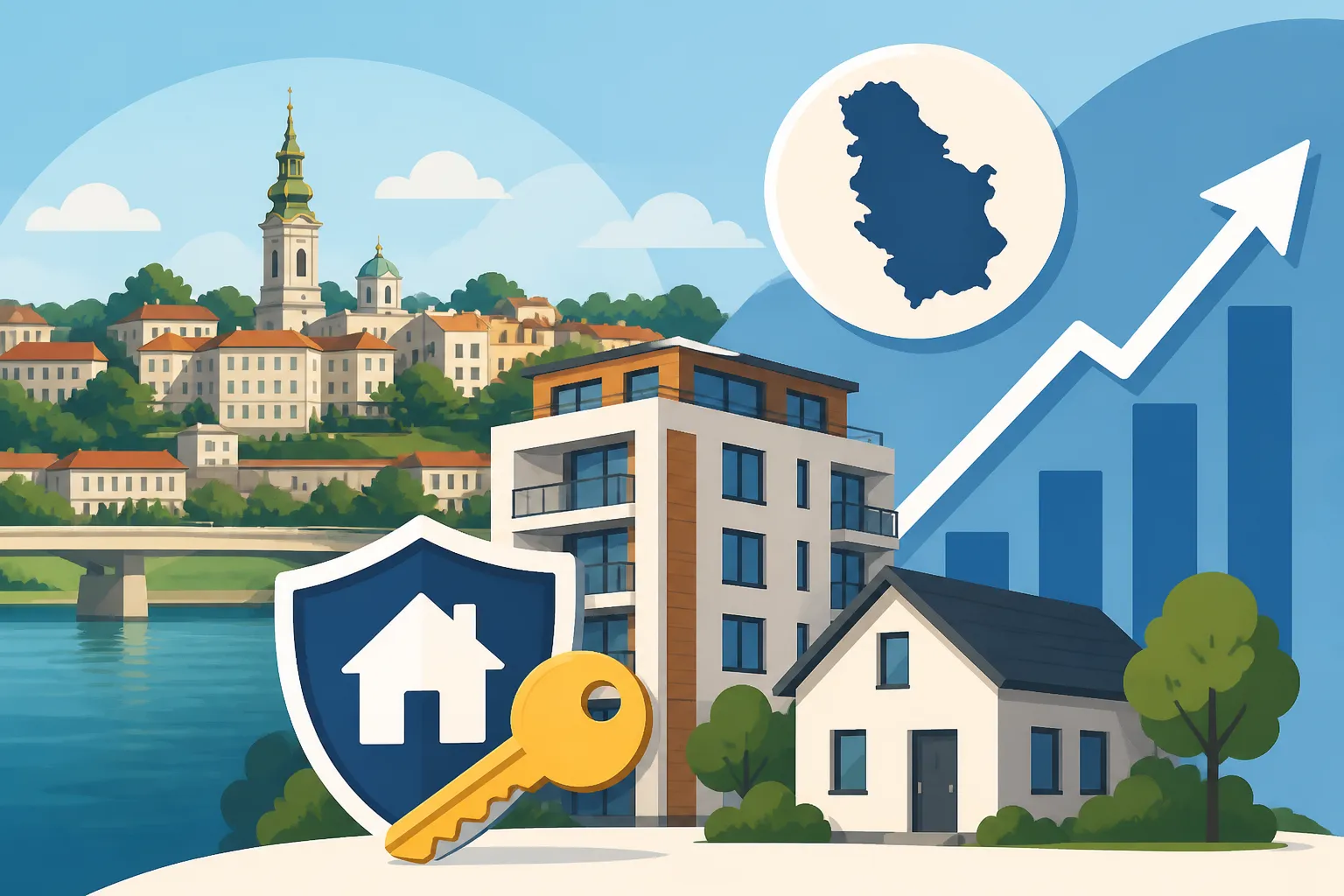
When you first arrive in Serbia, especially in bustling cities like Belgrade or Novi Sad, you'll immediately notice a vibrant construction scene. New buildings are sprouting up everywhere, often alongside charming, older structures that whisper tales of a bygone era. This blend of old and new is a hallmark of the Serbian property market, reflecting a country in transition, offering diverse opportunities for foreigners looking to buy property.
Current Market Dynamics and Investment Appeal
The Serbian property market has been steadily growing over the past decade, largely fueled by foreign investment, a burgeoning IT sector, and a general improvement in the country's economic outlook. What makes it particularly appealing to expats is the relatively lower cost of property compared to Western European capitals, combined with a decent rental yield potential, especially in high-demand urban areas. We’re seeing more and more people choose to invest here, not just as a place to live, but as a strategic financial move.
For instance, consider someone like Ana, who moved from Germany to work remotely in Belgrade. She initially rented an apartment but soon realized that buying offered better long-term value. With property prices in her home country significantly higher, a spacious, modern apartment in New Belgrade suddenly seemed within reach. The demand for rental properties remains strong, particularly for those of a higher standard, meaning that if you do decide to move on, your investment still has considerable value. The market is liquid enough that selling isn't usually an issue, though patience is always a virtue in real estate. The government has also made strides in streamlining the buying process for foreigners, a welcome change from a few years ago when it felt like traversing a bureaucratic labyrinth blindfolded.
Key Regions and Cities for Foreigners
While the capital, Belgrade, undeniably dominates the property scene, there are other attractive locations worth considering, each with its own unique charm and market dynamics. Understanding these differences is crucial for any expat looking to dive into Serbian real estate.
Belgrade is the undisputed epicentre. Neighbourhoods like Vračar, Stari Grad, and Dorćol offer historic charm, excellent amenities, and higher prices per square meter. These areas are incredibly popular, both with locals and expats, for their walkability and proximity to cultural hotspots. New Belgrade, on the other hand, boasts modern high-rises, excellent infrastructure, and often more spacious apartments, appealing to families and those seeking contemporary living. Outside the capital, Novi Sad stands out as a university city with a relaxed atmosphere, beautiful architecture, and a growing tech scene. Property prices here are generally more affordable than in Belgrade but are on an upward trajectory. Nis, another significant city in the south, offers even greater affordability and a different cultural experience, though with potentially less expat infrastructure. For those yearning for tranquility, areas near Fruška Gora mountain or along the Danube offer stunning natural beauty and more traditional village homes, ideal for a holiday retreat or a slower pace of life. A few years ago, a couple I knew, tired of the city bustle, bought a small house with a garden just outside Novi Sad for less than they'd pay for a garage in London. It’s all about what you’re looking for!
Price Trends and Affordability
Property prices in Serbia have shown a consistent upward trend, especially in Belgrade. However, it’s not an explosive bubble, but rather a steady growth, reflecting economic stability and increased demand. For perspective, while a luxury apartment in a prime Belgrade location might approach Western European prices, you can still find excellent value for money, particularly if you’re willing to look beyond the immediate city centre or into other major cities.
For a modern, well-located apartment in Belgrade, you might be looking at anywhere from €2,000 to €4,000 per square meter, depending on the exact location, age of the building, and amenities. In Novi Sad, these figures could drop to €1,500-€2,500, offering significant savings. Rural properties, especially those needing renovation, can be incredibly affordable, sometimes less than €50,000 for a detached house with land. It’s crucial to remember that what constitutes "affordable" is highly relative. A digital nomad earning a Western salary will find the Serbian market extremely attractive, whereas someone on a local Serbian wage might find it a struggle. This disparity often leads to frustration among locals, but for us expats, it presents a genuine opportunity.
Legal Framework for Foreign Property Ownership in Serbia
One of the biggest anxieties for any expat considering buying property is navigating the legal landscape. "Can I even own property here?" is usually the first question. Thankfully, Serbia has a relatively clear framework, though it still requires diligent attention to detail.
Reciprocity Agreements and Eligibility
The good news is that most foreigners can own property in Serbia. The primary mechanism is through reciprocity, meaning that if Serbian citizens can buy property in your home country, then you can generally buy property in Serbia. Serbia has established reciprocity with numerous countries, including most EU member states, the USA, Canada, Australia, and many others. If your country doesn't have a formal reciprocity agreement, it's still often possible to purchase property through a registered Serbian company that you own. This is a common route for entrepreneurs or those from countries without direct reciprocity.
For example, when my friend from the UK wanted to buy his apartment in Belgrade, he initially worried about Brexit complications. After a quick check with his lawyer, he found that reciprocity was already established, making the process straightforward. If you're unsure about your specific country, a quick consultation with a local lawyer who specialises in real estate for foreigners is always the best first step. They can clarify your eligibility and guide you on the most suitable path, ensuring you don't hit any unexpected roadblocks down the line. It's truly not worth trying to figure this out on your own through Google searches; professional advice is invaluable here.
Property Types Foreigners Can Own
Generally, foreign individuals can purchase apartments, houses, and commercial properties. The key distinction often lies with agricultural land. While you can typically own residential and commercial real estate directly, acquiring agricultural land is usually more restricted. For agricultural land, foreign individuals might need to establish a Serbian company, and the company then purchases the land. This is a common practice even for some residential plots, particularly if they are part of a larger, undeveloped area classified differently.
For most expats, however, the focus is on apartments in cities or houses in suburban/rural areas, which fall under the direct reciprocity rules. It's vital to clarify the exact classification of any land you intend to purchase, as getting this wrong can lead to significant headaches down the line. I recall one expat who bought a charming old house in a village, only to discover a large portion of the accompanying land was classified as agricultural, restricting its use. They had to go through an additional, complex process to reclassify it, which cost them both time and money. Always ask about the land book registry and the specific designation of the property you’re interested in.
The Importance of Legal Due Diligence
This is where you absolutely cannot cut corners. Engaging a reputable, independent Serbian lawyer is not just recommended; it’s essential. They will perform what's known as "due diligence" – a thorough investigation into the property's legal status, ownership history, and any potential encumbrances. This includes checking the land registry (Katastar) to ensure the seller is the rightful owner, that there are no outstanding mortgages or liens, and that the property doesn't have any illegal extensions or construction that could cause problems later.
Think of it this way: imagine buying a beautifully wrapped gift, only to find it’s empty inside. Without proper due diligence, you’re essentially buying blind. Your lawyer will verify that the property is free of legal disputes, unpaid utility bills attached to the property (yes, these can sometimes transfer to the new owner, so be careful!), or any other nasty surprises. They'll also ensure that the seller has obtained all necessary permits and approvals for the sale. This critical step prevents situations where you might unknowingly purchase a property with unresolved inheritance issues or construction irregularities that could render your ownership tenuous or restrict future renovations or resale. Don't let anyone, especially a pushy agent, convince you to skip this step. This legal check is non-negotiable for a secure purchase, and frankly, it will save you a lot of sleep. For more detailed information, check out our guide on how to complete the property purchase and notary process in Serbia.
Types of Property Available: From Belgrade Apartments to Rural Retreats
Serbia offers a diverse range of property types, catering to various tastes, budgets, and lifestyles. Whether you envision a sleek, urban pad or a sprawling country estate, you'll likely find something that piques your interest.
Urban vs. Rural Properties
The choice between urban and rural living often defines the expat experience in Serbia. Urban properties, predominantly found in Belgrade, Novi Sad, and Nis, offer convenience, access to amenities, and a fast-paced lifestyle. You'll find everything from compact studios perfect for a single professional to multi-bedroom family apartments and even luxury penthouses with panoramic city views. Public transport is readily available, and most services are within walking distance or a short drive. The downside? Higher prices, smaller living spaces, and the inevitable city noise.
Rural properties, on the other hand, offer space, tranquility, and a connection to nature. These are often detached houses, sometimes with significant plots of land, perfect for gardening, keeping animals, or simply enjoying peace and quiet. The appeal of a village house for someone looking to escape the rat race is huge. Imagine waking up to birdsong instead of traffic, having fresh produce from your own garden, and experiencing true Serbian village life. However, rural living comes with its own set of considerations: limited public transport, fewer local amenities, and potentially a greater need for renovation. An expat couple I know bought a gorgeous old kuća (house) in Vojvodina. They loved the quiet but quickly realised that their commute to Novi Sad for work and shopping was a daily commitment, and good internet could be a challenge, though thankfully providers like Airalo now offer eSIM options for reliable data, which helps bridge connectivity gaps even in more remote areas.
New Builds, Resale, and Historic Homes
The Serbian property market features a healthy mix of new builds, resale properties, and historic homes, each with its own pros and cons.
- New Builds: These are plentiful, especially in Belgrade and Novi Sad. They offer modern design, energy efficiency, contemporary layouts, and often come with parking, sometimes even underground garages. You usually buy them directly from the developer, which can sometimes simplify the purchase process as everything is new and legally "clean." The downside is that you’re often buying off-plan, meaning you have to wait for construction to finish, and sometimes there are delays. Also, the quality can vary, so it's crucial to check the developer's reputation and previous projects.
- Resale Properties: These are existing homes, previously owned, and make up the bulk of the market. They range from fully renovated, move-in-ready apartments to older units that require significant updating. The advantage is that you can see exactly what you’re getting, and they are usually available for immediate occupancy. Prices can also be more negotiable. The disadvantage is the potential for hidden issues (which due diligence helps mitigate) and the need for renovation, which can be time-consuming and costly in a foreign country.
- Historic Homes: Found predominantly in older city centers or picturesque villages, these properties possess immense character and charm, often featuring unique architectural details. They offer a chance to own a piece of Serbian history and can be incredibly rewarding. However, they almost always require extensive renovation to meet modern standards, which can be a money pit if not carefully planned. They might also have complex legal histories or be subject to preservation orders, further complicating any work you might wish to do.
It’s about weighing your priorities. Do you want the convenience of a new build, the established character of a resale, or the project potential of a historic gem? Each choice has distinct implications for your budget, timeline, and lifestyle.
Understanding Land Ownership for Foreigners
While direct ownership of residential and commercial property is relatively straightforward for foreigners, land ownership can be a bit more nuanced. As mentioned, agricultural land often requires setting up a Serbian company. However, land attached to a residential house (a plac) is generally permissible for direct ownership under reciprocity. This is often the case for village houses or suburban homes with gardens.
The key is the intended use and classification of the land. A plot designated for residential construction or as a garden integral to a family home is usually fine. Problems arise when the land is vast and officially designated as "agricultural." Always, always, confirm the land's classification with your lawyer and check the Katastar (land registry) records. This is critical because owning a beautiful plot of land only to discover you can't build on it or use it as intended because of its classification can be incredibly disheartening. If you’re buying a house with a significant plot, make sure the entire plot is legally transferred with the house and is correctly registered.
Navigating the Buying Process: Step-by-Step for Foreigners
Buying property in Serbia, while streamlined, still involves a multi-step process that can feel intimidating. Having a clear roadmap helps immensely.
Finding the Right Property and Agent
Your journey usually begins with property search. Online portals like Nekretnine.rs or 4zida.rs are popular starting points, offering a vast array of listings. However, don't underestimate the power of local real estate agents. A good agent will have access to properties not yet listed online, understand local market dynamics, and crucially, speak Serbian, bridging a significant language barrier.
Choosing a reliable real estate agent is paramount. Look for agencies with experience working with foreigners, positive reviews, and transparent fee structures. Avoid agents who pressure you into quick decisions or discourage you from seeking independent legal advice. A truly professional agent acts as a facilitator, not a salesperson pushing a specific property. They should be able to show you a range of options, answer your questions honestly, and even recommend reputable lawyers or notaries. Remember, they work for a commission, usually paid by the seller, but their value to you as a buyer is in their local knowledge and network. I've heard too many stories of expats rushing into property viewings without adequate local support, only to find themselves lost in translation or missing crucial details. This is one area where having someone trustworthy in your corner makes all the difference. For tips on finding reliable assistance, you can refer to our article on how to find a reliable real estate agent in Serbia.
The Pre-Contract and Deposit
Once you’ve found the property, the next step is typically signing a pre-contract (predugovor) and paying a deposit (kapara). This pre-contract is a legally binding document, drafted by your lawyer or the notary, that outlines the terms of the sale. It specifies the purchase price, payment schedule, closing date, and any conditions that need to be met before the final contract is signed (e.g., seller vacating the property, obtaining specific documents).
The deposit, usually around 5-10% of the purchase price, demonstrates your commitment to the purchase. If you, as the buyer, back out of the deal without a valid legal reason, you typically forfeit this deposit. Conversely, if the seller backs out, they are usually obliged to return double the deposit amount. This mechanism acts as a safeguard for both parties. Critically, never pay a deposit without a notarized pre-contract in place and without your lawyer reviewing it. This document is your first real legal protection. It ensures that the property is taken off the market for you and sets the stage for the final transaction. My friend almost made the mistake of sending a deposit based on a handshake and a photo of a document; thankfully, his lawyer intervened just in time to formalize everything properly.
The Notary and Registration Process
The final stage of the purchase involves the signing of the main sales contract (kupoprodajni ugovor) before a public notary (javni beležnik). In Serbia, the notary plays a crucial role; they are not just witnesses but also ensure the legality of the transaction, acting as a neutral party. They will verify all documents, confirm identities, and ensure the contract is in accordance with Serbian law. Once the contract is signed by all parties and notarized, it is legally enforceable.
After notarization, the notary or your lawyer will submit the contract to the Cadastre (Katastar nepokretnosti) for registration of ownership. This is the official step that formally transfers the property into your name. You'll receive a new title deed (list nepokretnosti) reflecting your ownership. This registration process can take a few weeks to several months, depending on the municipality and current workload. While you are the legal owner upon notarization, the Cadastre registration is essential for publicly recording your rights and preventing any future disputes. Make sure you get regular updates on the registration progress, and don't assume it's automatically done. It's an administrative step, but a very important one that legally solidifies your claim.
Understanding Property Valuation and Market Trends
Knowing the true value of a property and understanding market trends is crucial for making a sound investment, whether you're buying a home or an investment property.
Factors Influencing Property Prices
Property prices in Serbia, much like anywhere else, are influenced by a multitude of factors, but some hold particular weight here.
- Location, Location, Location: This cannot be stressed enough. Proximity to city centres, public transport, schools, hospitals, parks, and amenities significantly impacts value. For example, an apartment in Belgrade's Vračar district will command a much higher price than an identical apartment in a less desirable, more peripheral neighbourhood, even if it's just a few kilometers away.
- Property Type and Condition: New builds or recently renovated properties naturally fetch higher prices. Older apartments that require significant investment in renovation will be cheaper, but factor in those renovation costs. The quality of construction, energy efficiency (insulation, windows), and internal layout are also key.
- Size and Number of Rooms: Larger properties generally cost more, but the price per square meter might decrease slightly for very large units. The number of bedrooms is also a significant factor for families.
- Additional Features: A balcony, terrace, private parking space, or a garage can add considerable value, especially in crowded urban areas. Modern amenities like elevators, central heating, and good internet infrastructure are often expected.
- Economic Conditions: General economic stability, interest rates (if you’re taking a mortgage), and foreign investment inflows all play a role in shaping the broader market. When the economy is strong, property values tend to rise. For more on obtaining financing, you might want to read our article on how to get a mortgage to buy property in Serbia.
Capital Appreciation and Investment Potential
Serbia's property market offers genuine potential for capital appreciation, particularly in key urban centres. Belgrade, with its continuous development and influx of foreign residents and businesses, has seen properties increase in value steadily. Novi Sad also shows strong growth potential. This isn't a get-rich-quick scheme, but rather a solid, long-term investment opportunity.
Many expats choose to buy properties not just for living but also with an eye on rental income, which can be quite robust. With a consistent demand for good quality rental units, especially from other expats, students, and young professionals, you can often achieve decent yields. Understanding property valuation and mortgages in Serbia will help you assess if a property is priced fairly and what its future investment potential could be. However, as a wise old expat once told me, "Don't buy property based on what it might be worth, but on what it's worth to you right now." Meaning, ensure it meets your current needs and budget, and any appreciation is a bonus.
Tips for Negotiation and Making an Offer
Negotiating is a common practice in the Serbian property market, and rarely is the asking price the final price. Here's how to approach it:
- Do Your Research: Understand comparable sales in the area. Your agent should provide this data. Knowing what similar properties have sold for gives you a strong basis for your offer.
- Be Realistic, But Firm: While negotiation is expected, don't lowball excessively, as it might offend the seller and close off opportunities. Aim for a fair but advantageous price. A good starting point might be 5-10% below the asking price, depending on how long the property has been on the market and its condition.
- Leverage Information: If the property has been on the market for a long time, or if the seller is eager to move quickly, these are points you can use in your negotiation. Perhaps they need to sell quickly to finance another purchase.
- Get Pre-Approved for a Mortgage: If you require financing, having a pre-approval from a bank demonstrates your financial readiness and strengthens your position during negotiation, showing you're a serious buyer.
- Be Patient and Respectful: Real estate transactions often take time. Maintain a respectful demeanor throughout the process. Pushing too hard can sometimes backfire.
- Formalise Everything: Once a price is verbally agreed upon, ensure your lawyer immediately drafts the pre-contract to lock it in.
Remember, a successful negotiation leaves both parties feeling reasonably satisfied. Don't be afraid to walk away if the price isn't right or if you feel pressured. There will always be other properties.
The Costs of Property Ownership: Beyond the Purchase Price
Many first-time buyers only factor in the sticker price of a property. However, the true cost of property ownership in Serbia, as anywhere, extends far beyond the initial purchase, encompassing various taxes, fees, and ongoing expenses.
Purchase Taxes and Fees
When buying property in Serbia, you’ll encounter several one-off costs that can add up. It’s crucial to budget for these from the outset, as they can represent a significant percentage of the purchase price.
- Property Transfer Tax (Porez na prenos apsolutnih prava): This is typically 2.5% of the market value of the property. The market value is assessed by the Tax Administration (Poreska Uprava), which might not always align perfectly with your agreed purchase price, so be aware. Your lawyer will guide you through this process. You can find more details in our guide to understanding the property transfer tax when buying in Serbia.
- VAT (Value Added Tax – PDV): For brand-new properties bought directly from a developer, VAT is typically included in the price. However, if the developer is a VAT payer, you may be able to claim a refund for the VAT on new construction as a first-time buyer for properties up to 100 square meters. This can be a substantial saving, so ensure you discuss this with your lawyer.
- Notary Fees: Public notaries charge a fee for their services, which is usually tiered based on the value of the property. This fee covers the drafting and verification of the pre-contract and final sales contract.
- Cadastre Registration Fees: There's a nominal fee for registering your ownership with the Cadastre.
- Legal Fees: Your lawyer’s fees for due diligence, contract drafting, and guiding you through the process are a necessary expense. These can vary, but generally, investing in a good lawyer pays dividends by preventing costly mistakes.
- Real Estate Agent Commission: While usually paid by the seller, some agents might have agreements where the buyer pays a portion, so always clarify this upfront.
A useful table to illustrate these typical costs:
| Cost Item | Typical Percentage/Amount | Who Pays? | Notes |
|---|---|---|---|
| Property Transfer Tax | 2.5% of market value | Buyer | Assessed by Tax Administration, usually on resale properties. |
| VAT (PDV) | 10% (residential) | Seller/Developer | Included in new build price; potential refund for first-time buyers on new properties up to 100 sqm. |
| Notary Fees | Tiered (e.g., €120 – €1,200+) | Buyer | Based on property value, covers contract notarization. |
| Cadastre Registration Fee | Approx. €100 | Buyer | Fee for registering ownership in the land registry. |
| Legal Fees | 1-3% of purchase price | Buyer | Essential for due diligence, contract review, and legal guidance. |
| Real Estate Agent Fee | 2.5-3% (usually from seller) | Often Seller | Clarify if any portion is due from the buyer. |
Note: These percentages and amounts are estimates and can vary. Always confirm with your legal and financial advisors.
Ongoing Property Taxes and Utility Costs
Once you own the property, the costs don't stop. You'll have recurring expenses that are part of property ownership in Serbia.
- Annual Property Tax (Porez na imovinu): This is an annual tax paid to the local municipality where the property is located. The amount is calculated based on the property's size, location, age, and condition, and rates typically range from 0.4% to 2% of the assessed value. It's usually paid in four quarterly installments. Understanding property tax for homeowners in Serbia is vital for long-term budgeting.
- Utilities: These are monthly expenses and include electricity (EPS), water, central heating, internet, and potentially building maintenance fees. The cost will depend heavily on the size of your property, your consumption habits, and the season (heating can be a significant cost in winter). For instance, a small apartment in Belgrade might have combined utility bills of €100-€200 per month, while a larger house with individual heating could be significantly more. Setting up utilities can be a bit of a bureaucratic dance, but our guide on the expat guide to setting up utilities (electricity, water, heating) in Serbia can help demystify it.
- Building Maintenance Fees (Troškovi održavanja zgrade): For apartments in multi-unit buildings, you’ll pay a monthly fee for the upkeep of common areas, cleaning, and minor repairs. This can range from €10-€50 depending on the building. If you're buying into a new, more luxurious development, these fees will be higher to cover amenities like security, landscaping, or even a shared gym.
Maintenance, Insurance, and Hidden Costs
Beyond the obvious, always budget for the unexpected.
- Maintenance and Repairs: Even new properties require maintenance over time. Budget for things like appliance repairs, painting, plumbing issues, or general wear and tear. If you buy an older property, your renovation and maintenance budget will be significantly higher. Getting quotes from local tradesmen and having a trusted contact for emergencies is key.
- Property Insurance: While not mandatory, it's highly advisable to secure property insurance (osiguranje imovine) to protect against fire, theft, floods, and other damages. The cost is relatively low compared to potential losses.
- Hidden Costs: These can be anything from minor administrative fees to unforeseen issues discovered during renovation. Always keep a contingency fund, ideally 10-15% of your purchase price, especially if you’re buying an older property. This allows you to tackle unexpected problems without financial strain. For instance, an expat I know bought a lovely old apartment, only to discover serious electrical wiring issues that weren't evident during the initial inspection. Her contingency fund saved her a huge headache.
Renting Out Your Property: A Guide for Expat Landlords
For many expats, buying property in Serbia isn’t just about having a home; it's also a potential investment. Renting out your property can provide a steady income stream, but it comes with its own set of responsibilities and regulations.
Understanding Rental Income and Taxation
If you decide to rent out your Serbian property, any income you generate will be subject to Serbian taxes. This is crucial to understand from the start, as mismanaging your tax obligations can lead to significant penalties.
Rental income is generally taxed as personal income. For residents, it's typically subject to the flat 10% personal income tax rate, after certain allowable deductions (like maintenance costs, insurance, property tax). However, if you are a non-resident, the tax rules can be different, often involving a withholding tax at a higher rate unless a double taxation agreement with your home country specifies otherwise. This is an area where professional tax advice is indispensable. You’ll need to declare your rental income to the Serbian Tax Administration (Poreska Uprava). They won't know about it unless you tell them, but you absolutely should tell them. Failing to declare rental income is tax evasion, and Serbia, like any country, takes this seriously. Keep meticulous records of all rental income and expenses to simplify your annual tax declaration. Our complete guide to taxes in Serbia for expats offers a deeper dive into the tax landscape.
Finding Tenants and Rental Agreements
Finding the right tenants is key to a hassle-free landlord experience. You can list your property on popular Serbian rental platforms, use a real estate agent specializing in rentals, or leverage expat social media groups for direct outreach. Expats, especially those new to Serbia, often seek properties with English-speaking landlords or management, so this can be a niche market for you.
Once you find a suitable tenant, a comprehensive rental agreement (ugovor o zakupu) is essential. This document should clearly outline:
- Duration of the Lease: Fixed-term (e.g., 1 year) or indefinite.
- Rent Amount and Payment Schedule: Specify the currency (usually RSD or EUR, though EUR is unofficial, it's common), due date, and payment method.
- Security Deposit: Typically one or two months' rent, to cover potential damages or unpaid rent. Clearly state the conditions for its return.
- Utility Payments: Clearly define whether utilities are included in the rent or paid separately by the tenant.
- Maintenance Responsibilities: Outline who is responsible for minor repairs versus major structural issues.
- Termination Clauses: Conditions under which either party can terminate the agreement.
- Inventory: An itemized list of furniture and appliances, ideally with photos, signed by both parties.
Having your lawyer draft or review the rental agreement is a smart move, ensuring it protects your interests and complies with Serbian landlord-tenant law. Understanding furnished vs unfurnished rentals in Serbia also plays a role in what kind of tenants you attract and what you can charge.
Property Management Options for Expats
Managing a rental property from abroad can be challenging, especially if you’re not physically present in Serbia. This is where property management services come in handy.
- Full-Service Property Management: Many real estate agencies or independent property managers offer comprehensive services, including finding tenants, drafting contracts, collecting rent, handling maintenance issues, and dealing with tenant queries. They act as your local representative, handling everything from leaky faucets to late rent payments. This peace of mind comes at a cost, usually a percentage of the monthly rent (e.g., 8-15%).
- DIY with Local Support: If you prefer a more hands-on approach, you might manage tenant communication and financial aspects yourself, but hire a local handyman or cleaner for physical upkeep. This requires more effort on your part but gives you greater control and saves on full management fees.
- Trusted Friend/Family: If you have reliable friends or family in Serbia, they might be willing to help with minor issues or act as an emergency contact. However, be mindful of burdening them with significant responsibilities.
The choice largely depends on your comfort level, how much time you can dedicate, and your budget. For most expats living outside Serbia, a full-service property manager is often the most practical solution, alleviating much of the stress that comes with being an absentee landlord.
Common Pitfalls and How to Avoid Them
Moving and investing abroad, even in a welcoming country like Serbia, can present unique challenges. Being aware of potential pitfalls can help you navigate them successfully.
Navigating Bureaucracy and Red Tape
Ah, bureaucracy! It's a common complaint among expats worldwide, and Serbia, while improving, still has its moments. The property buying and ownership process involves various government bodies, including the Cadastre, Tax Administration, and local municipal offices. Each has its own procedures, forms, and sometimes, varying interpretations of rules. The language barrier can exacerbate these issues, turning a simple task into a multi-day ordeal.
- Patience is a Virtue: Don't expect things to move at lightning speed. Timelines can be longer than anticipated, and unforeseen administrative hurdles are not uncommon. Building in extra time for each step is wise.
- Be Prepared: Always bring all requested documents, and often, copies of documents you think might be relevant. Having a well-organized folder of everything from your passport and residence permit to proof of funds and notarized translations will save you countless trips.
- Lean on Professionals: This is where a good lawyer, accountant, and real estate agent earn their keep. They understand the local system, know who to talk to, and can often anticipate problems before they arise. Trying to do it all yourself to save a few euros usually ends up costing you more in time, stress, and potential errors. Remember to factor in your residence permit, as your residence status affects RFZO enrolment in Serbia and other aspects of your life here, so make sure all your official documents are in order.
The Importance of Professional Advisors
We’ve touched on this repeatedly, but it bears repeating: building a solid team of professional advisors is your strongest defense against missteps.
- Independent Lawyer: Crucial for due diligence, contract review, and ensuring legal compliance. They represent your interests exclusively. They should not be recommended by the seller or the seller's agent without independent vetting.
- Reputable Real Estate Agent: Helps you find properties, understands market values, and can facilitate communication with sellers.
- Experienced Notary: Ensures the legality of the transaction, as mandated by Serbian law.
- Tax Advisor/Accountant: Essential for understanding your tax obligations on purchase, ownership, and any rental income, especially if you're a non-resident or have complex financial situations. This is particularly true if you are coming from a different tax system or are self-employed.
- Translator: While many professionals speak English, having an official court translator for key documents is often mandatory and ensures accuracy.
Think of these individuals as your personal navigation system through the Serbian property landscape. Their expertise helps you avoid detours, potholes, and dead ends, making your journey smoother and more secure. Even if you're quite proficient in Serbian, the legal and technical language can be very specific, and a good translator will ensure you understand every nuance. For new arrivals, being able to communicate reliably is crucial, and services like Airalo can help you stay connected with your team of advisors from day one. And when it comes to the actual move, remember services like Sirelo can assist with shipping your belongings to your new Serbian home once you've secured it.
Common Scams and How to Spot Them
While Serbia's property market is generally safe, vigilance is always necessary. Like any market, there are always a few bad apples.
- Unregistered Properties/Illegal Construction: Never buy a property that isn't properly registered in the Cadastre or has significant illegal additions. Your lawyer's due diligence should flag this immediately. Illegal construction can lead to fines, demolition orders, and make it impossible to sell later.
- "Deals Too Good to Be True": If a property is priced significantly below market value without a clear reason, be extremely cautious. It could indicate hidden legal problems, structural issues, or a desperate seller, but more often, it's a red flag for a scam.
- Pressure to Act Quickly: Anyone pushing you to make a quick decision or pay money without proper documentation and legal review is a major warning sign. Legitimate transactions take time.
- Unclear Ownership: If the seller’s identity or the property’s ownership history seems murky, walk away. This can include properties with unresolved inheritance claims or multiple partial owners who haven't all agreed to sell.
- Paying Under the Table: Some sellers might suggest declaring a lower purchase price in the contract to reduce tax obligations. Do not agree to this. It is illegal, can lead to severe penalties, and compromises your legal standing and the true value of your asset.
Always remember that if something feels off, trust your gut. Take a step back, consult your lawyer, and if necessary, walk away. A reputable professional will prioritize your safety and legal security above all else.
Disclaimer
The information provided in this guide is intended for general informational purposes only and does not constitute legal, financial, or real estate advice. While we strive to provide accurate and up-to-date information, laws and market conditions in Serbia can change rapidly. It is essential to consult with qualified, independent legal, tax, and real estate professionals in Serbia for advice tailored to your specific situation before making any decisions related to property purchase or ownership. Reliance on any information in this guide is solely at your own risk.