How to Include Family in Your Serbia Residence Application
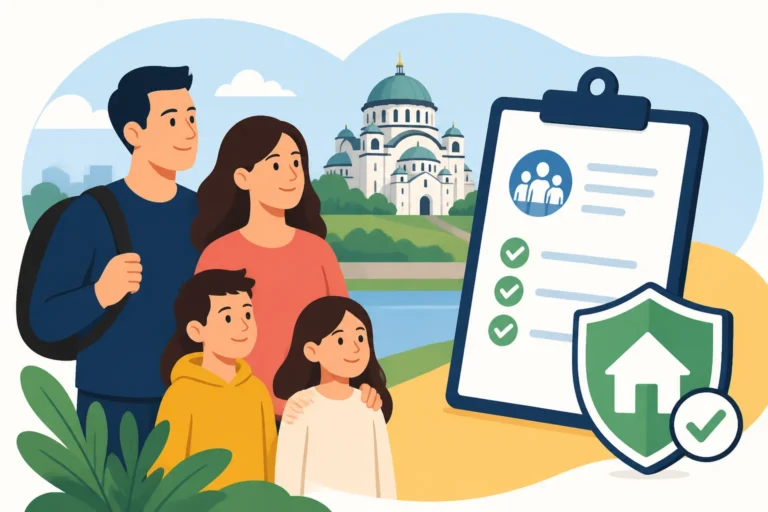
Bringing your entire family to a new country like Serbia can feel like a daunting task, filled with endless paperwork, multiple visits to government offices, and the constant worry of missing a crucial step. It’s not just about getting your residence permit sorted; it's about ensuring your loved ones can legally and comfortably join you, a process that, while manageable, requires careful planning and a deep understanding of Serbian immigration laws. This guide will walk you through the intricacies of including your family members in your Serbian residence application, ensuring you navigate the process with confidence and clarity.
Understanding Family Reunification in Serbia
When you're settling into life in Serbia, whether for work, study, or other reasons, the thought of having your family join you is often a primary concern. The Serbian legal framework recognizes the importance of family unity, providing avenues for dependents to obtain residence permits based on your own. However, it's not a one-size-fits-all scenario, and understanding the nuances is crucial.
What Is Family Reunification Residence?
At its core, family reunification residence, known as "spajanje porodice" in Serbian, is a specific type of temporary residence permit (privremeni boravak) that allows eligible family members to live with a primary holder of a Serbian residence permit. It's built on the principle that if one family member has legal grounds to reside in Serbia, their immediate family should also have that right. This isn't just a courtesy; it's a recognised pathway designed to support expats and long-term residents in making Serbia their home. It often ties into the main applicant's residence status, be it for employment, entrepreneurship, study, or even property ownership. For instance, if you’ve secured a work permit or have registered as an entrepreneur, your family can typically apply under your sponsorship. This is distinct from, say, a tourist visa, as it grants legal long-term stay and opens doors to other aspects of life here. If you’re trying to figure out the general rules for long-term stay, I’ve detailed everything in The Complete Guide to Serbia Visas and Immigration for Expats (2027).
Who Can Be Included in Your Application?
The Serbian law on foreigners is quite specific about who qualifies as an "immediate family member" for reunification purposes. Generally, this includes your spouse or registered partner and your minor children (under 18 years of age). In some, more limited circumstances, adult children who are fully dependent on you due to health reasons, or even parents, might be considered, but these cases are far less common and come with significantly stricter requirements. The authorities are primarily looking at the nuclear family unit. It's not usually possible to sponsor siblings, aunts, uncles, or adult children who are not financially or medically dependent. The definition is often a point of confusion for newcomers, as some countries have broader definitions of "family" for immigration purposes. Here in Serbia, they stick to a more conservative interpretation, which can sometimes be a source of frustration for those with extended family they wish to bring over.
Key Requirements and General Principles
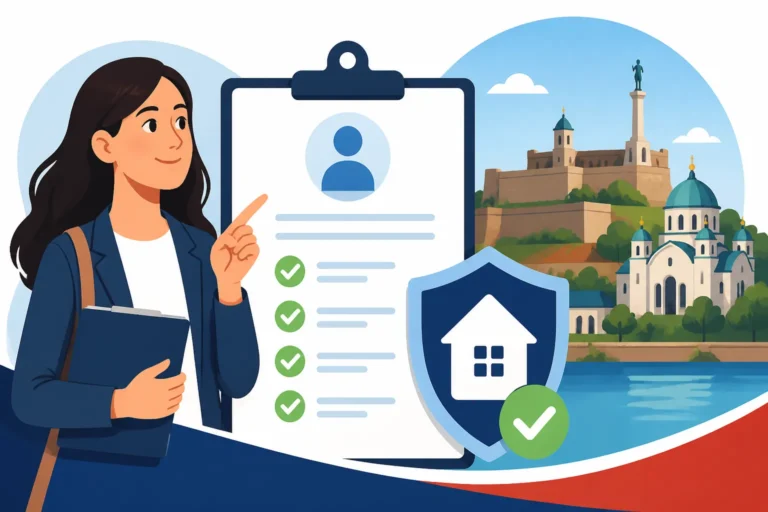
Regardless of the specific family member, certain overarching requirements apply to all family reunification applications. First and foremost, the primary applicant (you) must hold a valid Serbian temporary residence permit. Your residence permit forms the foundation upon which your family's applications are built. Secondly, you'll need to demonstrate genuine family ties, typically through official documents like marriage certificates and birth certificates. These documents almost always need to be apostilled (if from a country that is part of the Hague Convention) or legally super-legalized and translated into Serbian by a sworn court interpreter. Don’t skimp on this part; incorrectly translated or unverified documents are a common cause of delays and rejections.
Thirdly, and perhaps most critically, you must prove you have sufficient financial means to support your entire family in Serbia. The Serbian government wants to ensure that your dependents will not become a burden on the state. This means providing bank statements, employment contracts, or other verifiable proof of income. You’ll also need to show proof of accommodation that is suitable for the whole family – a rental contract for an apartment big enough for everyone, for example. Lastly, everyone needs valid travel health insurance, although once they receive their temporary residence, they will typically become eligible for public healthcare or you might opt for private health insurance like Cigna Global. Understanding the different types of residence permits and their implications is key, and my guide on Understanding Serbian Residence Permits: Work, Study and Investment (2027) can shed more light on this.
Applying for Your Spouse's Residence Permit
Your spouse or registered partner is usually the most straightforward family member to include in your Serbian residence application. However, "straightforward" in the context of bureaucracy still means plenty of hoops to jump through. Patience and meticulous attention to detail are your best friends here.
Documents Required for Spousal Applications
When applying for your spouse's temporary residence, you'll need to compile a comprehensive set of documents. Expect to gather original copies and several photocopies of everything. The most critical piece of evidence is your marriage certificate or proof of a registered partnership. This document must be apostilled or super-legalized in your home country (or the country where the marriage took place) and then officially translated into Serbian by a court-certified translator here in Serbia. Seriously, do not attempt to translate it yourself or use an unofficial service; the MUP will reject it faster than you can say zdravo.
Beyond the marriage certificate, you'll both need valid passports with at least six months' validity beyond the intended period of stay. You’ll also need proof of your own valid Serbian residence permit. Financial stability is paramount, so be prepared to show bank statements from a Serbian bank account, employment contracts, or other official documents demonstrating a stable income sufficient to support both of you. A signed rental agreement for your accommodation in Serbia, ideally showing enough space for two (or more, if you have children), is also mandatory. Finally, each applicant needs an international travel health insurance policy for the duration of the permit's validity. If you’re looking to understand the broader requirements, my article on Understanding Document and Translation Requirements for Serbia Immigration offers a detailed checklist.
Navigating the Application Process for Spouses
The process for spouses generally mirrors your own initial residence application but is dependent on your existing status. Typically, your spouse will apply to the same police station (MUP – Ministry of Interior) department that handled your residence permit, usually the one responsible for your registered address. The application form, known as Zahtev za izdavanje odobrenja za privremeni boravak, needs to be filled out thoroughly in Serbian.
You'll attend an interview, potentially together, where questions might be asked about your relationship to ensure it’s genuine and not a marriage of convenience. Be prepared for a relaxed but thorough conversation. It’s important to be truthful and consistent. Once submitted, the MUP will review the documents and conduct any necessary background checks. They might ask for additional documents if something is unclear. The process can take anywhere from a few weeks to several months, so applying well in advance of any existing visa expiry is crucial. You can learn more about the MUP's role in Understanding the Role of the MUP (Ministry of Interior) in Serbia.
Real-Life Scenarios and Common Hurdles for Spouses
One common hurdle many expat couples face is proving the "genuineness" of their marriage, especially if they haven't been married for a very long time or come from cultures where arranged marriages are common. While not explicitly stated, anecdotal evidence suggests MUP officials might scrutinise relationships that appear unconventional or newly formed, so having photos, communication records, or joint financial statements can subtly help. Another significant challenge is the language barrier. If your spouse doesn't speak Serbian, bringing a reliable, sworn court interpreter to any MUP appointments is highly recommended. Expect delays if documents aren't precisely as requested, or if there's a backlog at the MUP. It's not uncommon to be asked to resubmit a document due to a minor detail. This bureaucratic dance can be frustrating, but patience and polite persistence are key. Some expats even opt to use a local lawyer or agency to help with the process, especially if they are unsure about the documentation.
Including Your Children in the Residence Application
For many expat families, ensuring children can legally live with them is paramount. Thankfully, Serbia generally has a clear process for including minor children in family reunification, but as with all things bureaucratic, it requires precision.
Documents for Minor Children
Including minor children (under 18) in your family residence application necessitates a distinct set of documents. The cornerstone document is each child's birth certificate, which, like your marriage certificate, must be apostilled or super-legalized and then officially translated into Serbian. You’ll also need their valid passports, with sufficient validity.
If only one parent is applying for residence with the child, or if the child is travelling with only one parent, a notarized and translated consent form from the absent parent giving permission for the child to reside in Serbia is usually required. This is a critical step often overlooked and can cause significant delays. For children born in Serbia, their Serbian birth certificate will be the primary document. Proof of your own residence permit, adequate accommodation for the family, and, crucially, proof of financial means to support the entire family, including your children, will also be required. Remember that each child will also need their own international travel health insurance policy.
Process for Children's Residence Permits
Children's residence permits are typically applied for concurrently with the parents' applications, or once one parent has secured their own residence. The application form is the same Zahtev za izdavanje odobrenja za privremeni boravak. While children usually don't attend interviews, their presence might be required for biometric data collection (fingerprints) if they are older, usually around 12 years and above, although this can vary.
The MUP will review the submitted documents, verify parental relationships, and assess the suitability of accommodation and financial support for the entire family unit. It's a fairly standardised process, but any discrepancies in names, dates, or missing apostilles can bring it to a grinding halt. Once approved, children will receive their own residence cards, just like the adults. Getting everyone on the same timeline for renewals can be a bit of a juggle, so keeping all documents organised is a must. For a general overview of bringing your loved ones, my post on Family and Dependent Residence in Serbia: Bringing Your Loved Ones is a good starting point.
Considerations for Older Children and Dependents
For children nearing 18, the situation can become more complex. Once a child turns 18, they are generally considered adults under Serbian law, and their ability to obtain residence through family reunification significantly diminishes unless they are financially dependent due to a severe health condition. If your child is approaching 18, it's often advisable to apply for their residence well in advance, ideally before their birthday, to secure a permit while they are still minors.
For adult children who are studying, they would typically need to apply for their own student residence permit. You can find more information about this in How to Get a Student Residence Permit and Study in Serbia: The Full Guide (2027). In rare instances, if an adult child is demonstrably dependent due to severe disability or illness, a special application might be considered, but the burden of proof is very high, requiring extensive medical documentation and proof of full financial reliance. This category is not for healthy adult children simply looking to live with their parents.
Special Cases: Parents and Other Dependents
While Serbia prioritises nuclear family reunification, extending residence to parents or other more distant relatives is possible, though it comes with higher hurdles and stricter interpretations of dependency.
Sponsoring Parents for Residence
Sponsoring your parents for temporary residence in Serbia is considerably more challenging than bringing a spouse or minor child. The Serbian legal system requires a very high degree of dependency. You must prove, unequivocally, that your parents are entirely dependent on you for their financial support and that they have no other means of support in their home country. This often means demonstrating that they have no pension, no income, and no other children who could support them.
The documentation for this includes detailed financial statements, sometimes even a social worker's report from their home country, and comprehensive medical records if their dependency is health-related. You'll also need to prove that you have not just sufficient, but more than sufficient financial means to support yourself, your immediate family, and your parents, without any reliance on state aid. This is a high bar, reflecting Serbia’s focus on attracting economically active individuals rather than those who might become a social burden. It's not a common route for general family migration, and successful applications are typically for truly exceptional circumstances.
Other Family Members: The Grey Areas
For most other family members – adult siblings, grandparents (unless they are your parents and meet the strict dependency criteria), cousins, aunts, or uncles – there is generally no direct path to obtain a residence permit through family reunification in Serbia. The legal framework simply doesn't extend to these relationships.
If such a family member wishes to reside in Serbia, they would need to find their own independent grounds for a residence permit, such as obtaining a work permit through employment, registering as an entrepreneur, enrolling in a university for study, or perhaps even investing in property. These routes require them to meet the individual criteria for that specific type of permit, rather than relying on your status. It’s important to set realistic expectations here; while you might long for your entire extended family to join you, the Serbian immigration system is not set up for it.
Navigating Complex Family Situations
Life is rarely simple, and neither are family structures. For expats with more complex family situations, such as blended families, children from previous marriages, or guardianship arrangements, the application process can become particularly intricate. For instance, if you have step-children, you will typically need to prove your legal relationship with them (e.g., through adoption papers or court orders granting you parental responsibility), alongside the consent of their biological parent(s).
In cases of divorce, ensuring you have full custody or explicit legal permission from the other parent for your child to reside in Serbia is non-negotiable. Documents related to custody agreements, divorce decrees, and parental consent must all be legally certified and translated. These situations often benefit greatly from consulting with a local immigration lawyer who understands the nuances of Serbian family law and how it intersects with immigration regulations. It might feel like an added expense, but having expert guidance can save you immense stress and prevent costly errors in the long run. When considering the overall financial aspect, my guide on The Cost of Healthcare in Serbia: A Complete Breakdown for Foreigners (2026) can help you budget for potential medical needs for your entire family.
Financial Requirements and Proof of Support
One of the most scrutinised aspects of any family reunification application is the financial capacity of the sponsor. The Serbian authorities want absolute assurance that you can adequately support your family without them becoming a burden on the state. This isn't just a suggestion; it's a non-negotiable requirement.
Demonstrating Sufficient Funds
To prove you have sufficient funds, you'll need to provide concrete evidence. The most common forms are recent bank statements from a Serbian bank account, showing consistent deposits and a healthy balance. These statements should cover several months to demonstrate stability, not just a one-time large deposit. If you are employed, an employment contract stating your salary, along with recent payslips, will be essential. If you're a registered entrepreneur (preduzetnik), proof of your business income and tax payments will be required.
For those working remotely for foreign companies, this can sometimes be trickier. You'll need to demonstrate regular income flowing into your Serbian bank account from your foreign employer, perhaps accompanied by an official letter from your company. The key is to show a reliable, ongoing source of income that can comfortably cover living expenses for your entire family. If you're pondering how much you might need, my article on The Complete Guide to Cost of Living in Serbia for Expats (2026) can give you a good benchmark.
Understanding the Minimum Income Threshold
While Serbia doesn't always publicise a precise, fixed "minimum income threshold" for family reunification in the way some Western European countries do, the general expectation is that you must demonstrate an income significantly above the average salary in Serbia. This allows you to support yourself and each dependent comfortably. A common rule of thumb often cited by MUP officials in practice is that you should have at least the minimum wage per person in your household, though aiming higher is always safer.
For example, if the current net minimum wage is around 47,000 RSD (this number can change annually, so always check the latest figures), and you are sponsoring a spouse and one child, you would ideally want to show a stable income well over 140,000 RSD per month (3 x 47,000 RSD) to appear financially solvent. This figure is just an example and should be considered a bare minimum; the more you can demonstrate, the stronger your application will be. This threshold is meant to cover basic needs, rent, food, and other living expenses.
Healthcare and Insurance for Dependents
Initially, upon application for temporary residence, all family members will need to demonstrate that they have international travel health insurance valid for the duration of the requested permit. This is a non-negotiable document. Once their temporary residence permit is granted and they are officially residing in Serbia, they typically become eligible to join the public health insurance scheme, the Republic Health Insurance Fund (RFZO), if you are employed and paying contributions. My guide on How to Register with the Republic Health Insurance Fund (RFZO) in Serbia explains this in detail.
However, many expats, myself included, opt for private health insurance for their families, either as a supplement or an alternative, especially if they prefer access to private clinics or have specific health needs. Companies like Cigna Global offer comprehensive international health insurance plans that can cover your family from day one, often providing better English-speaking services and a wider network of private providers. Understanding your options is key, and my article on Health Insurance in Serbia: RFZO, Private and International Options Explained delves into this further. Be prepared to show proof of some form of health coverage for everyone.
The Application Process: From Submission to Approval
Understanding the bureaucratic journey is half the battle won. While individual experiences can vary, knowing the general steps, expected timelines, and how to prepare for renewals will save you considerable stress.
Where and How to Submit Your Family's Application
Applications for family reunification are submitted to the local police department (MUP) responsible for foreigners, specifically the department where your primary residence permit was processed. This is typically the MUP office corresponding to your registered address in Serbia. In Belgrade, for example, the main MUP for foreigners is located at Savska 35. You'll need to gather all the required documents, which should be duly translated and apostilled where necessary, and complete the official application form (Zahtev za izdavanje odobrenja za privremeni boravak).
While some initial information might be available online, the actual submission usually requires an in-person visit. It's often beneficial to go early in the morning to avoid long queues, especially in larger cities like Belgrade or Novi Sad. Ensure you have plenty of copies of everything, as sometimes they prefer to keep copies for their files rather than just glancing at originals. My guide on How to Apply for Temporary Residence (Privremeni Boravak) in Serbia offers more insight into the general submission process.
Processing Times and What to Expect
Processing times for residence permits in Serbia can be notoriously variable. While the law often stipulates a certain timeframe (e.g., 30 days), in reality, it can range from a few weeks to several months, especially during peak seasons or if there are any complexities with your application. It’s always best to apply well in advance of any current visa or permit expiry dates to avoid becoming an overstayer.
After submission, you might receive a call for an interview, or to provide additional documents if something was missing or unclear. It's rare to get constant updates, so patience is key. The MUP will notify you once a decision has been made, usually by phone call or sometimes a written notice. If approved, you'll be instructed to collect your new residence card. If denied, you'll receive a written explanation and information on how to appeal the decision. Be ready for the unexpected; it’s just the nature of administrative processes here. For an idea of the broader picture, check out Understanding the Cost and Timeline of the Serbia Residence Process.
Renewing Family Residence Permits
Temporary residence permits in Serbia are typically issued for one year and must be renewed annually. The renewal process for your family members generally mirrors the initial application, but often with less scrutiny, provided there have been no significant changes in your circumstances (e.g., divorce, loss of job). You'll need to resubmit updated versions of most documents: new bank statements, an updated employment contract, renewed rental agreements, and, of course, proof of your own renewed residence permit.
It's crucial to initiate the renewal process at least 30 days before the current permit expires. Don’t leave it to the last minute! Any lapses in coverage can create significant problems and potentially lead to fines or even a requirement to leave the country and reapply from scratch. Keep an organised folder with all your family's immigration documents, noting expiry dates clearly. It might also be worth investigating professional relocation services, like those offered by Sirelo partners, who can assist with tracking renewals and ensuring all paperwork is in order for your whole family. Getting into a routine of annual renewals will become second nature after a couple of years.
Navigating Address Registration for the Whole Family
Once your family has secured their residence permits, there’s one final but crucial step: registering their address. This is called prijava boravišta or prijava prebivališta (depending on if it's temporary or permanent), and it's mandatory for all foreigners residing in Serbia, including every member of your family.
Why Address Registration is Mandatory
The Serbian government requires all foreign nationals to register their address with the local police within 24 hours of arriving in Serbia, and within 8 days of receiving a new residence permit or changing address. This isn't just a bureaucratic formality; it's a legal obligation that helps the authorities keep track of who is residing in the country and where. Failing to register your address, or your family's address, can lead to fines, difficulties with other administrative tasks (like opening bank accounts or applying for further permits), and even issues during departure from the country. It's a simple step that, if overlooked, can cause disproportionate headaches.
The Process for Registering Your Family's Address
For family members arriving from abroad, the first address registration should be done at the local police station (MUP) in the area of your accommodation. If you are staying in a hotel or official accommodation, they often handle this for you automatically. However, if you are renting an apartment, you, as the primary resident and/or landlord, are responsible for doing it for yourself and your family. You will need your passports, your residence permits (if already issued), and the rental agreement.
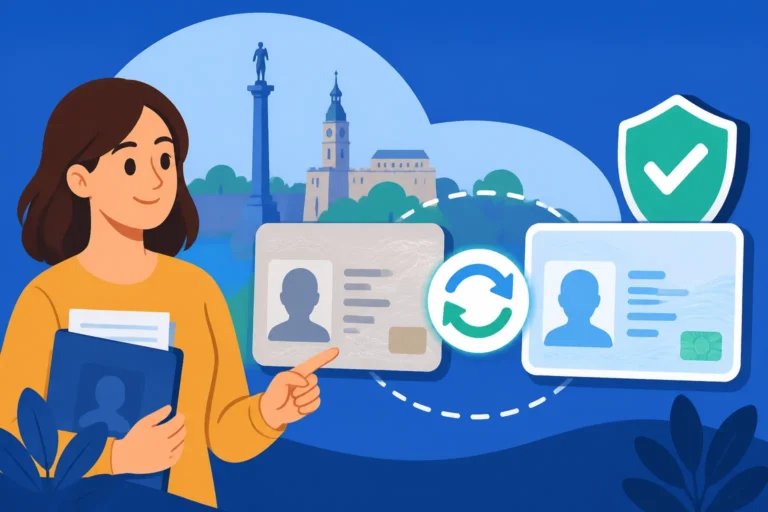
Each family member will receive a small white slip of paper, often called a "beli karton," which serves as proof of address registration. Keep these safe! When you receive your actual residence cards (the plastic ID cards), you will usually also get a potvrda o prijavi boravka, a more official document confirming your registered address. This is often attached to your residence permit card. Make sure every family member has proof of their registered address. This is covered in more detail in How to Register Your Address (Prijava) with the Police in Serbia.
Common Issues and Tips for Family Address Registration
A common issue arises when families stay in unregistered accommodation or if landlords are reluctant to provide the necessary documents or accompany you to the police. Ensure your rental agreement is official and that your landlord is cooperative. If your family members arrive at different times, make sure to register each one within the 24-hour window of their arrival.
When renewing your residence permit, your address registration will also effectively be renewed, or at least confirmed. If you move to a new address, you must re-register everyone at the new location within 8 days. Always carry your residence card and proof of address when travelling within Serbia, just in case. This small administrative detail, when handled correctly, ensures smooth sailing for your family's legal stay in Serbia.
Disclaimer
The information provided in this guide is for general informational purposes only and does not constitute legal advice. While we strive to keep the information up-to-date and accurate, Serbian immigration laws and procedures can change without notice. Always consult with the official Ministry of Interior (MUP) website, relevant government agencies, or a qualified immigration lawyer in Serbia for the most current and specific advice regarding your individual situation.