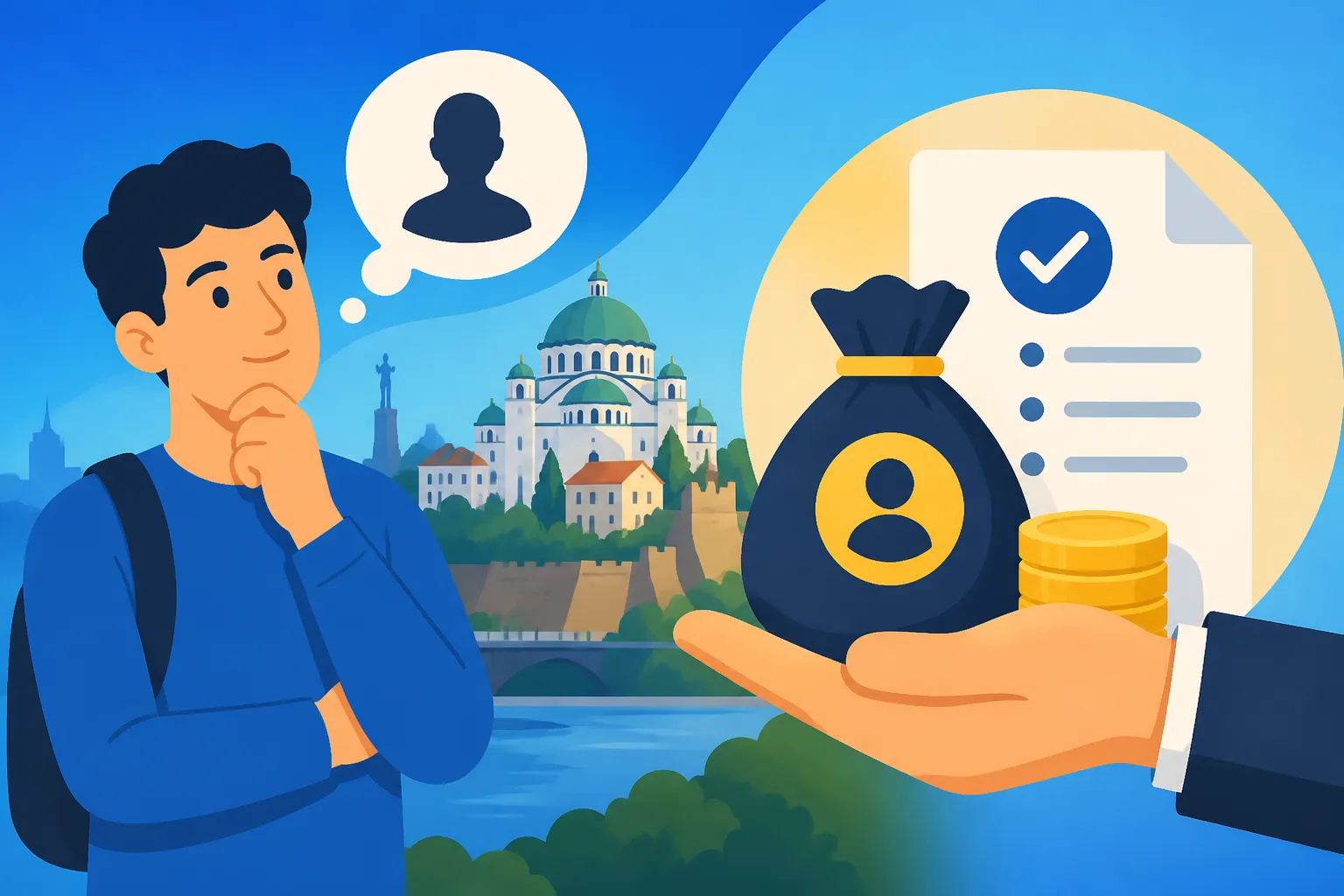
Can I Get a Personal Loan as a Foreigner in Serbia?
So, you're an expat in Serbia, you've settled in, maybe even found your favourite local kafana, and suddenly, life throws a curveball: you need a bit of extra cash. Perhaps it's for a new car, unexpected medical expenses, or consolidating some debt. The natural thought is to get a personal loan, but for us foreigners, navigating the Serbian banking system for something like this can feel like trying to untangle a ball of yarn after a cat's had its way with it. This comprehensive guide will walk you through the realistic possibilities, the hurdles, and the best ways to approach getting a personal loan here in Serbia as an expat.
The Reality of Personal Loans for Foreigners in Serbia
Let's be brutally honest right from the start: getting a personal loan as a foreigner in Serbia isn't as straightforward as it might be in your home country. It’s not impossible, but it requires patience, preparation, and a healthy dose of understanding the local financial landscape. Many of us expats arrive here with no local credit history, and that's the biggest hurdle.
Why It's Often an Uphill Battle
Imagine you walk into a bank in your home country and ask for a loan, but you've never had a bank account there, never paid a utility bill, and your employment history is entirely abroad. That's essentially the situation a Serbian bank sees when you, a newcomer, apply for a loan. Banks operate on trust and predictability, and a lack of local financial footprint signals risk. They don't know your payment habits, your financial stability in this new environment, or how likely you are to remain in the country. This isn't personal; it's just how risk assessment works. The initial feeling can be frustrating, especially when you feel financially secure, but it’s crucial to understand their perspective.
Essential Requirements: What Banks Look For
When a Serbian bank considers a loan application from anyone, they're looking at a few core indicators. For foreigners, these become even more critical:
- Legal Residence and Stability: You absolutely must have a valid temporary or permanent residence permit (
privremeni boravakorstalni boravak). Without it, forget about it. Banks want to see that you have a legal right to be here for the duration of the loan term, or longer. The longer your residence permit is valid, the better your chances. If you’re here on a short-term visa or just for tourism, a personal loan is simply not an option. You'll often find that they prefer applicants who have been residents for at least six months, sometimes a year or more, to demonstrate a degree of stability. - Stable and Documented Income: This is non-negotiable. Banks need proof that you can reliably repay the loan. This means a stable job with a regular salary paid into a Serbian bank account. Freelancers or those paid primarily into foreign accounts will find this significantly harder. They’ll want to see your employment contract, proof of salary (payslips, bank statements), and often a certificate from your employer stating your position, salary, and employment duration. The higher and more consistent your income, the more favourable you appear.
- Duration of Stay and Future Plans: While not explicitly a "requirement" on paper, banks are often wary of lending to individuals who might leave the country midway through the loan term. This is why a longer-term residence status, or demonstrating strong ties to Serbia (like owning property, having family here, or being employed by a reputable local company), can implicitly boost your application.
Different Types of Loans Available (and Which Are More Likely)
Serbia, like most countries, offers various types of personal loans. Understanding these can help you target your application more effectively.
- Unsecured Personal Loans (
keš kreditior cash loans): These are the most common type of personal loan, where you don't need to put up any collateral. They are granted based on your creditworthiness, income, and financial stability. For foreigners, these are the hardest to get, especially if you're new to the country and lack a local credit history. Banks will typically offer these only to those with strong, verifiable income and a good track record in Serbia. - Secured Personal Loans: If you have collateral, like a vehicle or perhaps some savings in a fixed-term deposit with the same bank, you might have a much better chance. The collateral reduces the bank's risk, making them more willing to lend. While not as common for small personal loans, it's an option worth considering if you have assets.
- Consumer Loans (
potrošački krediti): These loans are often tied to specific purchases, like buying furniture, electronics, or even a trip. They are sometimes offered directly by retailers in partnership with banks. While still requiring income proof, they can sometimes be slightly more accessible than general cash loans, especially for smaller amounts, as the item itself can sometimes act as a form of indirect security. - Refinancing Loans (
krediti za refinansiranje): If you already have existing loans (perhaps from abroad, or a smaller, easier-to-get credit card debt), you might consider a refinancing loan to consolidate them into one, potentially with a lower interest rate or longer repayment term. However, this is usually only an option if you already qualify for a standard personal loan.
For most expats, particularly those relatively new, a standard unsecured personal loan for a significant amount will be challenging. Your best bet will likely be smaller consumer loans (if you need to finance a purchase) or exploring secured options if you have collateral.
Navigating the Serbian Banking Landscape for Loan Applications
Applying for a loan is a process, and in Serbia, it often means more paperwork and potentially more visits to the bank than you might be used to. Getting everything in order beforehand can save you a lot of headaches.
Key Documents You'll Absolutely Need
Prepare a robust file with originals and copies of these documents. It’s always better to have too much than too little.
- Valid Passport and Visa/Residence Permit: Your passport is your primary identification. Your temporary residence permit (or permanent residence card) is crucial for proving your legal right to stay and work in Serbia. The duration of its validity is key; if it expires in a few months, a bank won't consider a loan that spans years. If you're working on getting your residence permit, make sure to read up on How to Apply for Temporary Residence Privremeni Boravak in Serbia.
- Proof of Address: A recent utility bill (electricity, water, internet) in your name, or a rental contract, is usually sufficient. Banks need to confirm you have a stable address in Serbia.
- Employment Contract: The original, translated into Serbian by a certified court translator (if it's in a foreign language), is essential. It proves your employment status and the duration of your contract.
- Certificate of Income (
Potvrda o zaradi): Your employer will need to issue a formal certificate stating your monthly net income, the date of employment, and often, that there are no garnishments or legal disputes against your salary. Some banks have their own specific forms for this, so ask the bank for their template first. - Bank Statements: Usually, they will ask for statements from your Serbian bank account showing salary payments for the last 3-6 months. This provides a clear picture of your regular income.
- Tax ID Number (PIB): This is your personal identification number for tax purposes in Serbia. If you don't have one, you'll need to obtain it. We have a guide on How to Get a Tax ID PIB as a Foreigner in Serbia which might be helpful.
- Proof of Social Security Contributions: This shows you are legally employed and contributing to the Serbian system. You can often get this from your employer or through the tax administration portal.
- Consent for Credit Bureau Check: You'll need to sign a consent form allowing the bank to check your credit history with the Credit Bureau of Serbia. As a newcomer, this will likely be empty, which is the main challenge.
The Importance of a Serbian Bank Account and Credit History
This cannot be stressed enough: establishing a solid banking relationship in Serbia is your first and most vital step towards any future financial product, including loans. If you haven't already, make opening a bank account a priority. Our guide How to Open a Bank Account at a Serbian Bank as a Foreigner has all the details.
Having an account, especially with a major bank like Banca Intesa, Raiffeisen Bank, or OTP Bank, and actively using it for salary deposits and bill payments, starts to build a rudimentary financial history. Even if it's not a formal credit score like in some Western countries, the bank sees your activity. If you’re consistently receiving your salary into their system and managing your finances responsibly, they gain a level of trust.
Don't expect to get a loan the day after you open your account. It takes time. Six months to a year of consistent, positive banking activity is usually the minimum for a bank to even start considering you for an unsecured loan. This includes not having any bounced payments, maintaining a healthy balance, and generally showing financial prudence.
Understanding Guarantors and Collateral
For many expats, especially in the early years, securing a loan might hinge on offering additional security.
- Guarantor (
žirant): If you have a trusted Serbian friend, colleague, or even a family member who is a Serbian citizen with a stable income and good credit history, they might be able to act as a guarantor for your loan. A guarantor is legally obligated to repay your loan if you fail to do so. This significantly reduces the bank's risk and can dramatically improve your chances. However, asking someone to be a guarantor is a huge ask, as it places a significant financial burden on them, and it could strain personal relationships if something goes wrong. - Collateral (
kolateralorzalog): Offering collateral means pledging an asset (like a car, real estate, or a fixed deposit account) to the bank as security for the loan. If you default on the loan, the bank has the right to seize and sell that asset to recover their money.- Fixed Deposit: If you have savings, you could open a fixed-term deposit account with the same bank and use it as collateral. The loan amount might be a percentage of your deposit (e.g., 80-90%). This is a relatively low-risk option for the bank, making these loans much more accessible.
- Real Estate: If you own property in Serbia, you could offer it as collateral, though this is usually for much larger loans (like mortgages) and involves considerable legal complexity. For a personal loan, it might be overkill.
- Vehicle: A newer car, if you own one outright, could potentially be used as collateral, but again, the loan amount would likely be a fraction of its value.
For newcomers, a loan secured by a fixed deposit or with a strong Serbian guarantor are the most realistic pathways if an unsecured loan isn't initially approved.
Practical Steps and Alternative Avenues for Foreigners
Even with all the challenges, there's a process, and there are alternatives worth exploring. Don't get disheartened if your first bank says no; try another!
Step-by-Step Application Process (General Overview)
While each bank might have slight variations, the general process for applying for a personal loan in Serbia typically looks like this:
- Initial Inquiry: Start by visiting your current bank, especially if you've had an account with them for some time. Explain your situation as a foreigner and what kind of loan you need. Be transparent about your income source and residence status. They will usually give you a preliminary assessment of your eligibility.
- Gather Documents: Based on their requirements, meticulously gather all the necessary documents, ensuring they are valid, correctly translated (if needed), and complete. Remember that potvrda o zaradi from your employer and your residence permit are paramount.
- Formal Application: Fill out the bank's loan application form. This will include personal details, employment information, income, existing financial obligations, and the desired loan amount and term.
- Submission and Review: Submit all your documents to the bank. A loan officer will review your application, potentially asking for additional information or clarification. They will then conduct their internal checks, including a credit bureau check.
- Decision and Offer: If approved, the bank will present you with a loan offer detailing the principal amount, interest rate, repayment schedule, and any associated fees. This is your chance to carefully review all terms.
- Contract Signing: If you accept the offer, you'll sign the loan agreement. Make sure you understand every clause, especially regarding early repayment, default, and fees. It might be wise to bring a trusted Serbian speaker or a legal professional if you're not fully confident in your Serbian language skills.
- Fund Disbursement: Once the contract is signed, the funds will be disbursed to your Serbian bank account.
Exploring Alternatives to Traditional Bank Loans
Sometimes, a traditional bank loan just isn't feasible or desirable. Don't despair, there might be other ways to access the funds you need.
- Loans from Employers: If you work for a larger, established company in Serbia, they might offer employee loans or salary advances. This is often an interest-free or low-interest option, repaid directly from your salary. It's worth discreetly inquiring with your HR department. This can be a very expat-friendly option.
- Family and Friends: While not always ideal, asking close family or friends for a short-term loan can be a quick and flexible solution, often with better terms than a bank. Just make sure to have a clear repayment plan to avoid any strain on your relationships.
- Credit Cards: If you have an established credit card from your home country with a high enough limit, you could use it for certain purchases or even cash advances. Be very cautious with cash advances, as they typically come with much higher interest rates. Alternatively, once you have a good banking relationship in Serbia, you might be offered a Serbian credit card. These are often easier to get than a personal loan for a new expat and can provide a flexible source of funds for smaller amounts, while also helping to build your credit history.
- Peer-to-Peer (P2P) Lending: While not as developed or widespread in Serbia as in some other countries, global P2P platforms exist. However, they often have their own set of requirements for international applicants, and the interest rates can be higher than traditional bank loans. Always research the legitimacy and terms of any P2P platform thoroughly.
- International Transfer Services for Urgent Needs: If you're temporarily short on funds and have access to money abroad, services like Wise (formerly TransferWise) can be incredibly efficient for quickly moving money from your foreign accounts to your Serbian bank account, often with much better exchange rates and lower fees than traditional banks. This isn't a loan, of course, but a way to access your own funds rapidly without needing a loan. For those needing to manage finances across borders, it's an invaluable tool, especially when dealing with How to Transfer Money Into and Out of Serbia as an Expat.
Building Your Financial Footprint in Serbia for Future Loans
Even if you can't get a loan right now, you can start laying the groundwork for future financial access. Think long-term.
- Consistent Employment and Income: The longer you're employed in Serbia with a stable income, the better. This builds trust with potential lenders.
- Responsible Banking Habits: Consistently depositing your salary into your Serbian bank account, paying bills on time, and avoiding overdrafts demonstrates financial reliability.
- Utilize Other Banking Products: Even if a personal loan is out of reach, consider getting a Serbian credit card (if offered and you can manage it responsibly) or a small overdraft facility on your current account. Using these sparingly and repaying them on time builds a positive history within the Serbian banking system.
- Proper Tax Filings: Ensure you are always compliant with your tax obligations in Serbia. Having a clean record with the Poreska Uprava (Tax Administration) is crucial for all financial dealings. This includes Understanding Income Tax and the Flat 10% Rate in Serbia and knowing How to Register with the Tax Administration Poreska Uprava in Serbia. If you're a freelancer or entrepreneur, managing your contributions and taxes accurately through services like Taxes for Expats can provide clear documentation of your income and financial responsibility, which is invaluable for loan applications.
- Long-Term Residence: Work towards renewing your temporary residence permit consistently, and if eligible, aim for permanent residence. This shows a commitment to living in Serbia, which banks appreciate. Understanding Serbian Residence Permits Work Study and Investment 2026 is key here.
Key Considerations and Potential Pitfalls
Getting a loan is a serious financial commitment, and as an expat in a foreign country, there are extra layers of caution you need to apply.
Interest Rates and Loan Terms for Foreigners
Be prepared for potentially less favorable terms than what Serbian citizens or long-term residents with established credit histories might receive.
- Higher Interest Rates: Due to the perceived higher risk, banks might offer foreigners loans at slightly higher interest rates. Always compare offers from different banks if you get multiple approvals.
- Shorter Repayment Periods: To mitigate risk, banks might offer shorter repayment periods, leading to higher monthly installments. Ensure you can comfortably meet these payments.
- Fees and Charges: Scrutinize all associated fees, including processing fees, administrative costs, and early repayment penalties. These can add up and significantly impact the overall cost of the loan.
Here's a simplified comparison of typical requirements:
| Feature | Serbian Citizen with Credit History | Foreigner with Limited/No Credit History in Serbia |
|---|---|---|
| Residence Permit | Not applicable (Citizen) | Mandatory (Temporary or Permanent, longer validity preferred) |
| Local Credit History | Essential, positive history leads to better terms | Non-existent or very limited, major hurdle, leads to stricter terms |
| Income Proof | Standard employment contract, payslips, bank statements | Same, but often with additional employer certificates, longer history |
| Guarantor/Collateral | Often optional for good credit, or for larger sums | Frequently requested, significantly improves chances for many loans |
| Bank Relationship | Long-standing relationship can ease approval | Crucial to build over time (6-12 months minimum active account use) |
| Interest Rates | Competitive, based on credit score and market | Potentially higher due to increased risk perception |
| Loan Amounts | Higher limits possible based on income | Often lower limits initially |
| Application Process | Generally quicker, streamlined | More scrutiny, more documents, potentially longer processing time |
Language Barriers and The Need for Trusted Translation
Serbian is the official language, and while many bank employees in larger cities like Belgrade and Novi Sad speak English, official documents, especially loan contracts, will almost certainly be in Serbian.
- Don't Sign What You Don't Understand: This is paramount. Never sign a legally binding document that you haven't fully understood. If the bank doesn't provide a contract in English or your native language, you must get it translated by a certified court translator.
- Bring a Trusted Friend: If a full translation isn't feasible for an initial review, bring a trusted Serbian-speaking friend or colleague who can help you understand the core terms and conditions before you commit.
- Clarify Everything: Don't hesitate to ask questions, even if you feel silly. It's your money and your financial future. Ensure you understand the total repayment amount, monthly installments, fees, penalties, and what happens if you cannot make a payment.
Financial Planning and Responsibility
Taking on debt in a foreign country adds another layer of responsibility. Exchange rate fluctuations, unexpected changes in your employment status, or even just cultural misunderstandings can impact your ability to repay.
- Budgeting is Key: Before even applying for a loan, create a detailed budget to understand your true monthly expenses and how a loan payment will fit into that. Don't overextend yourself. Our guide on The Complete Guide to Cost of Living in Serbia for Expats 2026 can help you with this.
- Emergency Fund: Always try to maintain an emergency fund. Relying solely on a loan without a safety net can put you in a precarious position if unforeseen circumstances arise.
- Understand Serbian Labour Law: Be aware of your rights and obligations if your employment situation changes. This can directly impact your loan repayment ability. For more on this, check out The Complete Guide to Working in Serbia as a Foreigner 2026.
- Consider Your Exit Strategy: While you might be planning to stay in Serbia long-term, it's wise to consider what would happen to your loan if you unexpectedly had to leave the country. Some banks might require you to fully repay the loan upon departure.
Getting a personal loan as a foreigner in Serbia is definitely achievable, but it requires thorough preparation, a clear understanding of the local banking system, and realistic expectations. Start by building a strong relationship with a local bank, ensure your income and residence are impeccably documented, and don't shy away from exploring all available options, including collateral or a guarantor. With patience and diligence, you can navigate the process successfully.
Disclaimer
The information provided in this guide is intended for general informational purposes only and does not constitute financial, legal, or professional advice. While we strive to provide accurate and up-to-date information, circumstances can change. We recommend consulting with a qualified financial advisor, legal professional, or relevant banking institution in Serbia for advice tailored to your specific situation.