Is Serbia in the Eurozone or Does It Use the Dinar?
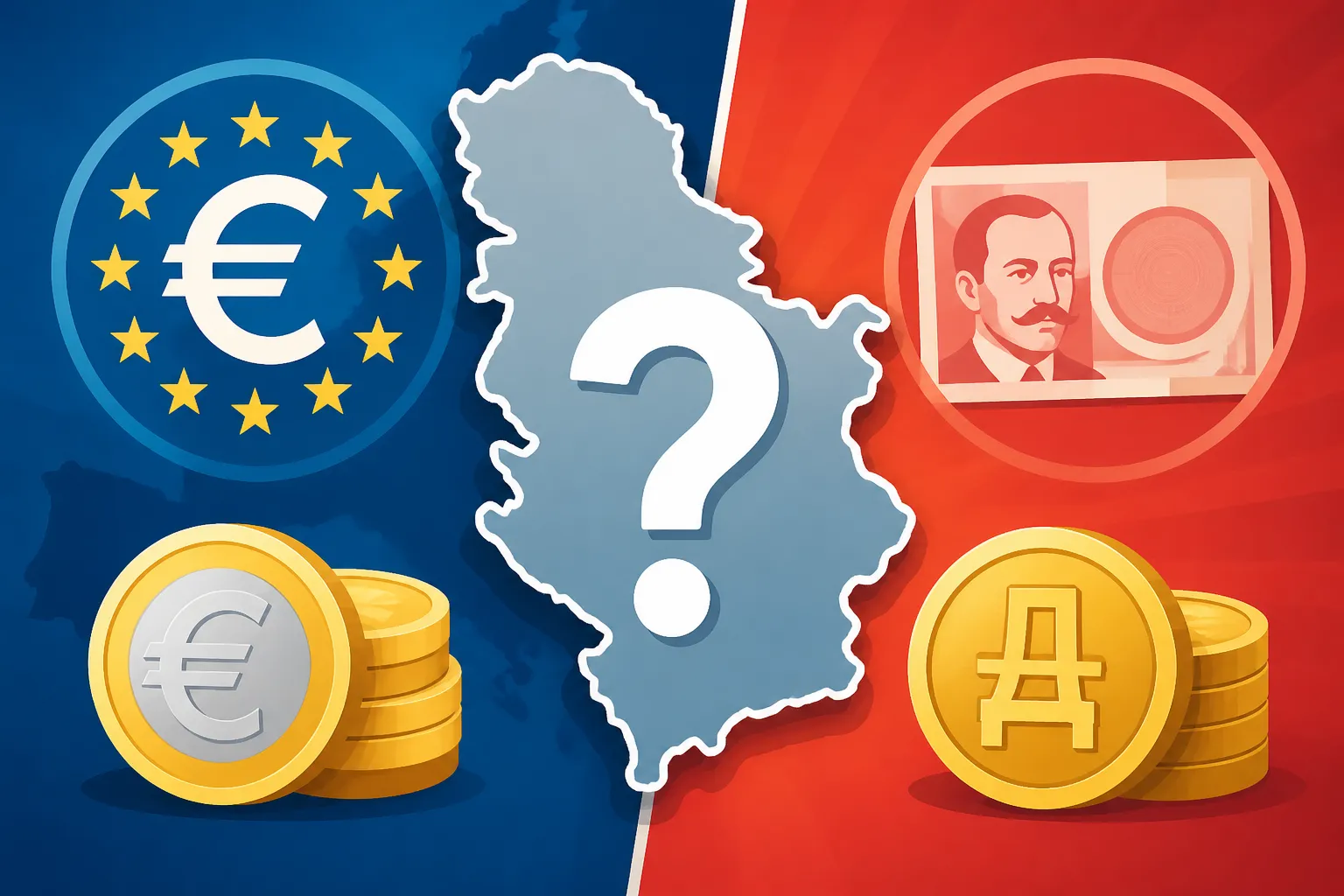
It's a common and totally understandable question that pops up in every expat's mind when they first consider Serbia: "Wait, isn't this Europe? So, they use the Euro, right?" The truth is, that assumption, while logical given Serbia's geographical position, is a frequent source of initial confusion and minor headaches for newcomers. Serbia stands proudly outside the Eurozone, operating with its own unique currency, the Serbian Dinar. This guide is here to untangle the currency situation, helping you understand how money works here and how to manage your finances smoothly.
The Serbian Dinar: Your Everyday Reality
Let's get this straight from the get-go: when you move to Serbia, your daily life will revolve around the Serbian Dinar, or RSD. Forget about pulling out Euros for your groceries, coffee, or bus tickets – that’s just not how it works here, despite what you might expect coming from other European countries. Embrace the Dinar, and you’ll find navigating your finances much simpler.
Why Serbia Uses the Dinar and Not the Euro
The question of why Serbia isn't in the Eurozone often comes up, especially when you consider its aspirations to join the European Union. The simple answer is that joining the Eurozone is a complex process, not just a matter of geography or desire. Countries must meet strict economic criteria, known as the Maastricht criteria, before they can adopt the Euro. These include stability in exchange rates, low inflation, sound public finances, and low long-term interest rates.
Serbia, while an EU candidate country, is still in the process of economic reforms and alignment. Maintaining its own currency, the Dinar, allows the National Bank of Serbia to have independent monetary policy, which is crucial for managing inflation and economic stability during its transition and growth. This means controlling interest rates, influencing liquidity, and setting the exchange rate against other currencies. It gives them a vital tool to steer the economy and absorb external shocks. So, while the Euro might feel more convenient to us expats, for Serbia, the Dinar is a symbol of its economic sovereignty and a necessary instrument in its journey towards full EU membership, which is still some way off.
Understanding the Dinar Denominations and Exchange Rates
The Serbian Dinar comes in both banknotes and coins, just like most other currencies. You’ll quickly become familiar with them. The banknotes are particularly colourful and feature prominent figures from Serbian history, culture, and science. You'll commonly encounter denominations of 10, 20, 50, 100, 200, 500, 1000, 2000, and 5000 dinars. For coins, you'll see 1, 2, 5, 10, and 20 dinars. Don't be surprised if you receive a 20 dinar coin as change – it's quite common.
The exchange rate of the Dinar, particularly against major currencies like the Euro and US Dollar, does fluctuate, but generally, the National Bank of Serbia works hard to maintain stability. You'll find that the rates offered by banks and exchange offices (menjačnice) are usually very close to the official middle rate published by the National Bank. It’s always a good idea to check the current rates online before exchanging a large sum of money. While minor daily shifts occur, you won't typically see wild swings, which brings a certain predictability to your budgeting.
Navigating Foreign Currencies in Serbia
Even though the Dinar is king, there are certain situations where you'll encounter foreign currencies, primarily the Euro. It's important to know the difference between where it's truly accepted and where it's merely referenced. Getting this wrong can lead to awkward moments or, worse, losing money on unfavourable exchange rates.
Where Euros (and Other Currencies) Are Accepted and Where They Aren't
Here’s the deal: legally, all transactions in Serbia must be conducted in Serbian Dinars. This isn't just a guideline; it's the law. So, for your daily coffee, groceries at Maxi or Idea, paying your utility bills, or buying a train ticket, you'll need Dinars. Don't even try to pay your računi (bills) at the post office with Euros; they'll look at you like you've grown a second head.
However, in practice, you might find certain larger transactions or specific types of businesses are more flexible. For instance, when renting an apartment, landlords often quote prices in Euros, especially in cities like Belgrade or Novi Sad, but expect payment in Dinars converted at the current exchange rate on the day of payment. Similarly, when purchasing a car or a property, prices might be listed in Euros, but the official transaction will be in Dinars. Some hotels, particularly those catering to international tourists, might accept Euro cash, but don't count on getting a favourable exchange rate. It's really more of a convenience for them. My advice? Always assume Dinar is required, and consider Euro acceptance as a rare, unofficial bonus that may not be to your financial benefit.
Exchanging Currency: Best Practices for Expats
So, if you’re arriving with foreign cash, you'll need to convert it into Dinars. The most reliable and often most advantageous places to do this are official exchange offices, known as menjačnice (pronounced men-yach-nee-tseh). You’ll find them practically everywhere in cities and larger towns – on every street corner in Belgrade, often inside shopping malls, and sometimes even at post offices. They usually have their rates clearly displayed outside. Generally, menjačnice offer slightly better rates than traditional banks, and their service is quicker. Just make sure to compare a couple of them before making a larger exchange, as rates can vary slightly.
Avoid exchanging money on the street, no matter how tempting the offer might seem. This is illegal and often a scam. While you can exchange money at the airport, the rates there are typically the worst, so it’s best to only exchange a small amount for immediate needs upon arrival and do the bulk of your exchange in the city. For sending money from abroad, services like Wise (formerly TransferWise) are incredibly popular among expats. They offer competitive exchange rates and much lower fees than traditional bank transfers, allowing you to convert your home currency into Dinars and send it directly to your Serbian bank account or even withdraw it in cash once you arrive. This method can save you a significant amount over time.
Practical Financial Management for Expats in Serbia
Once you’re settled, managing your money in Serbia means adapting to the local banking system and understanding how to handle everyday payments. It's not overly complicated, but there are nuances that differ from many Western countries.
Opening a Bank Account and Managing Your Funds
One of the first things you'll want to do after getting your temporary residence permit is open a local bank account. This is absolutely essential for receiving your salary (if you're working locally), paying bills, and generally integrating into the financial system here. While some banks might be a bit easier for foreigners than others, almost all will require your passport and proof of temporary residence (your boravak card). Some might also ask for your Serbian tax identification number (PIB). Popular banks among expats include Raiffeisen Bank, OTP Bank, and UniCredit Bank, known for their somewhat more expat-friendly services and sometimes English-speaking staff.
Having a local Dinar account simplifies everything. Your employer will pay you directly into it, you can set up direct debits for utilities, and you'll have a debit card for everyday purchases. You can also open foreign currency accounts (Euros, USD, etc.) alongside your Dinar account, which can be useful for receiving international payments or simply holding funds in a stable currency. However, remember, all local transactions will still ultimately convert to Dinar, even if you draw from a Euro account. To dive deeper into the process, I highly recommend checking out The Expat Guide to Opening a Bank Account in Serbia and Understanding the Dinar (RSD) and Foreign Currency Accounts in Serbia. For those frequent international money transfers, services like Wise integrate seamlessly, allowing you to move money between your foreign accounts and your new Serbian Dinar account efficiently.
Paying Bills, Taxes, and Everyday Expenses
In Serbia, almost all bills – electricity (EPS), water, heating, internet, mobile phone – are issued and payable in Dinars. You can pay them in several ways: at post offices (Pošta Srbije), in banks, or increasingly, through online banking applications provided by your Serbian bank. Online banking is by far the most convenient, allowing you to manage all your payments from your phone or computer. Just be prepared for a bit of a learning curve with the Serbian interfaces if English options aren't fully comprehensive.
When it comes to taxes, whether you're employed, self-employed as a paušalac, or dealing with property taxes, all obligations are calculated and paid in Dinars to the Poreska Uprava (Tax Administration). Understanding the tax system can be a bit daunting, and it's where specialized services come in handy. For comprehensive advice on your obligations, especially if you have complex foreign income, it's worth consulting with experts like Taxes for Expats, who understand both international and Serbian tax laws. They can ensure you're compliant and avoid any Dinar-denominated fines. For a full breakdown, our guide on Filing Your Tax Return with the Poreska Uprava in Serbia: The Complete Walkthrough (2027) will walk you through the specifics.
Common Misconceptions and Key Takeaways
The currency question often leads to a few persistent misunderstandings. Let’s clear those up and equip you with the essential knowledge for smooth financial sailing in Serbia.
Dispelling Eurozone Myths for Serbia
To reiterate, Serbia is not in the Eurozone. It uses its own currency, the Dinar, and that’s not going to change anytime soon. While the Euro is indeed a significant reference currency in Serbia, especially in real estate and some larger import/export dealings, it's not the official tender. The idea that you can simply use Euros everywhere is a myth that many new expats hold onto, to their eventual frustration. The National Bank of Serbia carefully manages the Dinar's stability, and this independence is a critical component of the country's economic policy as it works towards EU integration. So, when planning your finances, always think in Dinars for daily expenses and local transactions.
Essential Tips for Financial Smoothness
Here are a few nuggets of wisdom to help you navigate the Serbian currency landscape:
- Always Carry Dinars: Even if you prefer card payments, having a small amount of cash in Dinars is always a good idea for smaller shops, market stalls, or places where card machines might not be available or working.
- Use Official Exchange Offices: For converting cash, menjačnice offer the best rates and are widely available. Always confirm the rate before handing over your money.
- Embrace Online Transfer Services: For transferring money from your home country, services like Wise are invaluable. They offer transparency and competitive rates for converting your funds to Dinars and sending them to your Serbian bank account.
- Understand Local Banking: Get comfortable with your Serbian bank's online platform. It will be your primary tool for managing bills and daily finances.
- Keep an Eye on Exchange Rates: While stable, rates do fluctuate. A quick check on the National Bank of Serbia's website can keep you informed, especially for larger transactions.
- Don't Rely on Unofficial Euro Acceptance: While some landlords or larger shops might unofficially accept Euros, it's often at a less favourable rate than you'd get from a menjačnica. Stick to Dinars for peace of mind and better value.
Here's a quick comparison of common payment methods in Serbia:
| Payment Method | Primary Currency | Common Usage | Pros | Cons |
|---|---|---|---|---|
| Serbian Dinar (Cash) | RSD | Everywhere: markets, small shops, transport, tips | Universally accepted, good for small transactions | Requires frequent trips to ATMs/exchange offices |
| Debit/Credit Card | RSD | Supermarkets, restaurants, larger stores, online | Convenient, secure, widely accepted in urban areas | Not accepted everywhere, some smaller places are cash-only |
| Online Banking | RSD | Utility bills, taxes, inter-bank transfers | Efficient, allows scheduled payments, accessible 24/7 | Can be intimidating initially, requires a local bank account |
| International Transfer | Various (EUR, USD) | Receiving salary, large funds from abroad | Best for large sums, often lower fees with services like Wise | Takes time to process, requires a local bank account for receipt |
| Euro (Cash) | EUR | Unofficial rent payments, some tourist hotels | Sometimes accepted for large, informal transactions | Not legal tender, unfavourable rates, limited acceptance, legally tricky |
Disclaimer
The information provided in this guide is for general informational purposes only and does not constitute financial, legal, or tax advice. While we strive to keep the information up-to-date and accurate, regulations and financial practices in Serbia can change. We recommend consulting with a qualified local financial advisor, lawyer, or tax professional for advice tailored to your specific situation.