How Much Does a Blood Test Cost in Serbia?
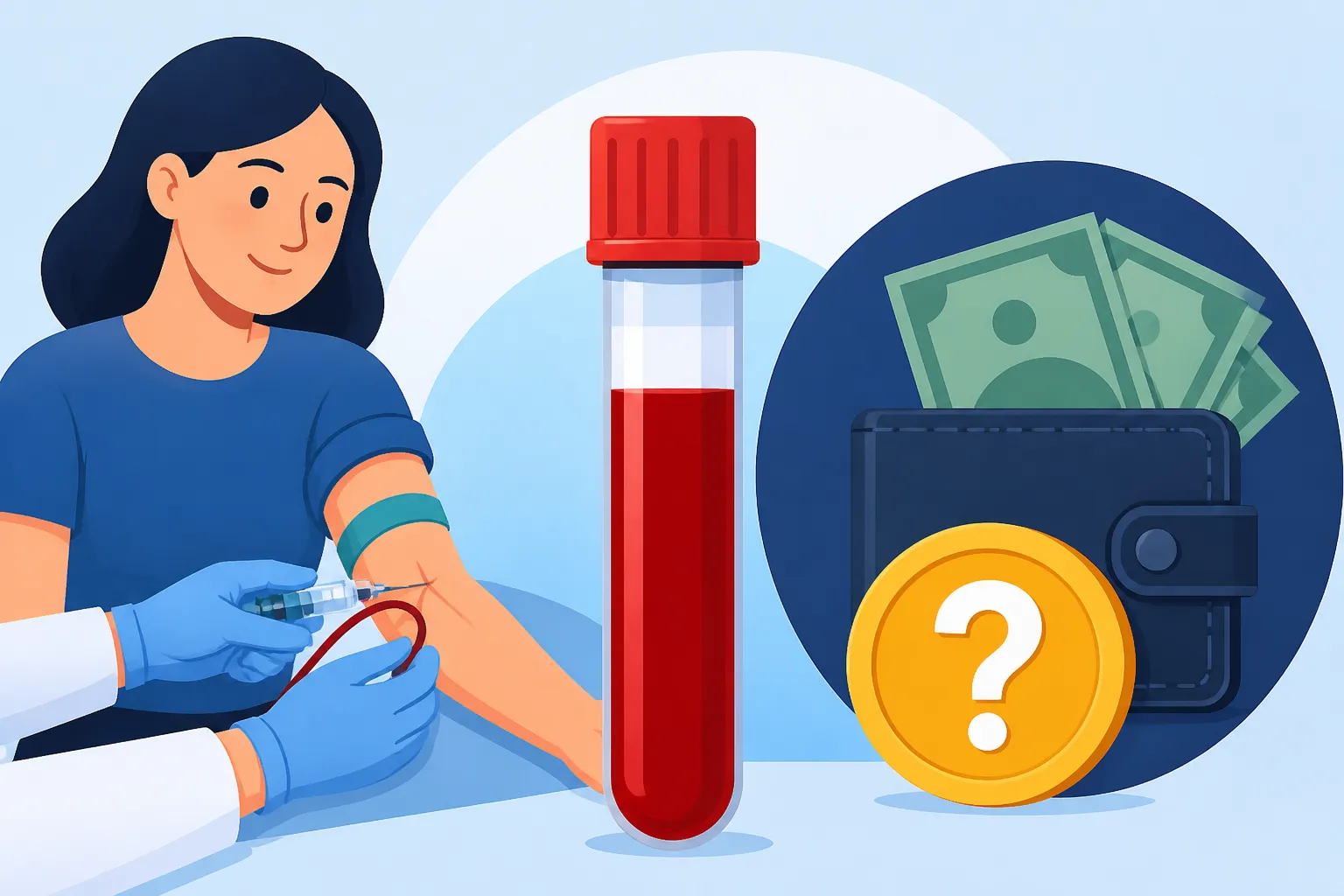
Navigating the Serbian healthcare system can feel like learning a whole new language, and even something as seemingly simple as getting a blood test can throw up unexpected questions. You might be wondering, "Will my insurance cover this?" or "How much cash do I need to have on hand?" It’s a common expat worry, but don't fret! This guide will demystify the costs of blood tests in Serbia, walking you through everything from public versus private options to what specific tests might set you back.
Understanding Blood Tests in Serbia: Public vs. Private Healthcare
When it comes to getting a blood test in Serbia, you primarily have two pathways: the public healthcare system, managed by the Republic Health Insurance Fund (RFZO), or the array of private clinics scattered throughout the country. Each has its own set of procedures, benefits, and, of course, costs. For expats, understanding these distinctions is key to making informed decisions about your health.
The Public Healthcare Route: RFZO Coverage and Referrals
If you're legally employed in Serbia and registered with the RFZO, you are entitled to access public healthcare services, including blood tests. The idea is that these services are "free" at the point of use, as you're already contributing through mandatory social and health contributions. However, "free" doesn't always mean entirely without cost or hassle.
Firstly, to get a blood test through the public system, you generally need a referral from your chosen GP (Izabrani Lekar) at a Dom Zdravlja, which is a community health center. You can learn more about how to register with the RFZO and a GP in Serbia to get this process started. Your GP will assess your symptoms or routine health needs and then issue a referral form for the specific blood tests required. This referral is crucial; without it, you likely won't be able to get tests done in a public lab.
Once you have your referral, you’ll head to the designated laboratory within your Dom Zdravlja or a larger public hospital. While the test itself might not incur an direct fee on the day, you might face co-payments for certain services, though routine blood tests are usually fully covered. The main "cost" here often comes in the form of time and patience. Wait times for appointments with your GP can vary, and then you might have another wait at the lab itself. For urgent situations, the public system can be efficient, but for routine checks, it often requires a bit of planning. The overall process of how Serbia's health system works: the RFZO and private care explained can give you a deeper insight.
The Private Healthcare Route: Convenience and Direct Costs
For many expats, especially those who aren't yet fully integrated into the RFZO system or simply prefer a faster, more streamlined experience, private clinics are often the go-to choice for blood tests. Belgrade and Novi Sad, in particular, boast a wide selection of modern private laboratories and clinics, many of which offer English-speaking staff and state-of-the-art equipment.
The significant difference here is that you don't need a referral from a GP. You can simply walk into a private clinic, or often book an appointment online or over the phone, and request the specific blood tests you need. This convenience comes with a direct cost, as you'll be paying out-of-pocket for each test or panel of tests. However, the benefits are clear: minimal waiting times, quick results (often available electronically within hours or a day), and a generally more personalized experience. This is especially useful if you are still navigating the complexities of establishing yourself in the country, or if you need an English-speaking doctor in Serbia.
Popular private laboratory chains include Aqualab, MediGroup, and Beo-lab, among others. These larger chains tend to have multiple locations across major cities, making them easily accessible. They offer a comprehensive range of diagnostic services, often bundled into panels for general health, specific organ functions, or hormone profiles.
A Detailed Breakdown of Blood Test Costs in Private Clinics
Alright, let's get down to brass tacks: what kind of money are we actually talking about for blood tests in Serbia's private sector? It’s important to remember that prices can fluctuate based on the specific laboratory, the city (Belgrade tends to be a bit pricier than smaller towns, though not drastically for basic tests), and the complexity of the tests. However, I can give you a realistic range based on current market rates.
Most private clinics publish their price lists online, which is incredibly helpful. Don't be shy about checking their websites or calling them directly for the most up-to-date pricing. Sometimes, they offer discounts on comprehensive panels during certain periods, so it pays to look around.
Here’s a breakdown of estimated costs for some common blood tests you might need:
- Complete Blood Count (KKS): This is your basic blood work, checking red and white blood cells, platelets, etc. It's usually quite affordable, ranging from 500 to 800 RSD.
- Glucose (Blood Sugar): Essential for checking for diabetes or monitoring blood sugar levels. Typically costs between 200 and 400 RSD.
- Cholesterol Panel (Lipid Status): This includes total cholesterol, HDL, LDL, and triglycerides. Important for cardiovascular health. Expect to pay anywhere from 800 to 1,500 RSD.
- Liver Function Tests (ALT, AST, GGT): These measure enzymes that indicate liver health. A panel usually costs 800 to 1,500 RSD.
- Kidney Function Tests (Urea, Creatinine): Checks on your kidney health. Often around 600 to 1,000 RSD.
- Thyroid Hormones (TSH): A very common test, especially for general fatigue or metabolism issues. TSH alone usually costs 1,000 to 1,500 RSD. If you need additional thyroid hormones like T3 or T4, the cost will increase per test.
- Vitamin D: Often tested due to deficiency concerns, especially in colder months. This one can be a bit pricier, ranging from 2,000 to 3,500 RSD.
- Iron Status (Iron, Ferritin, TIBC): Important for diagnosing anemia. A full panel can be 1,500 to 2,500 RSD.
- CRP (C-Reactive Protein): An inflammation marker. Costs typically 500 to 900 RSD.
- Urine Analysis: While not a blood test, it's often requested alongside blood work. Expect 300 to 600 RSD.
Many clinics also offer "general health panels" that bundle several common tests together for a slightly reduced price compared to getting them individually. These can range from 3,000 RSD to 8,000 RSD or more, depending on the number and type of tests included. For example, a "general check-up panel" might include KKS, glucose, cholesterol, liver, and kidney functions.
Here’s a quick overview of estimated costs for common tests at a mid-range private clinic in Belgrade:
| Blood Test Type | Estimated Cost Range (RSD) | Estimated Cost Range (EUR) |
|---|---|---|
| Complete Blood Count (KKS) | 500 – 800 | 4.25 – 6.80 |
| Glucose | 200 – 400 | 1.70 – 3.40 |
| Cholesterol Panel | 800 – 1,500 | 6.80 – 12.75 |
| Liver Function Panel | 800 – 1,500 | 6.80 – 12.75 |
| Kidney Function Panel | 600 – 1,000 | 5.10 – 8.50 |
| Thyroid Stimulating Hormone (TSH) | 1,000 – 1,500 | 8.50 – 12.75 |
| Vitamin D | 2,000 – 3,500 | 17.00 – 29.75 |
| Iron Status Panel | 1,500 – 2,500 | 12.75 – 21.25 |
| C-Reactive Protein (CRP) | 500 – 900 | 4.25 – 7.65 |
| Urine Analysis | 300 – 600 | 2.55 – 5.10 |
(Note: 1 EUR ≈ 117-118 RSD, conversion is approximate and for illustrative purposes only)
These costs are generally quite affordable compared to many Western countries, which is one of the reasons why Serbia has affordable healthcare. This also explains why understanding private health insurance plans in Serbia is so important for budgeting.
Navigating the Process: How to Get a Blood Test in Serbia
So, you know roughly how much it's going to cost, but what's the actual procedure for getting a blood test here? It's pretty straightforward, whether you go public or private, but there are a few nuances that can make your experience smoother.
The Public System Process: A Marathon, Not a Sprint
If you opt for the public system, the first step, as mentioned, is seeing your GP. You'll need to book an appointment at your Dom Zdravlja. Depending on the demand, this could be immediate or take a few days. Once you get in, explain your symptoms or the reason for your routine check-up. The doctor will write out a referral form, usually a small, paper slip with a stamp and their signature, detailing the tests required. Remember to bring your RFZO health card or proof of insurance.
With the referral in hand, you'll proceed to the laboratory department, which might be in the same building or a different wing. There, you'll hand over your referral. You might be given a time slot for the blood draw, or you might simply join a queue. Public labs can get quite busy, especially in the mornings, so brace yourself for potential wait times.
The actual blood draw is quick and professional. Afterwards, you'll be told when and how to collect your results. Sometimes, results are available for pick-up at the lab a day or two later. Increasingly, some Dom Zdravlja facilities are moving towards digital results that your GP can access directly, or that you might be able to view online via a health portal if one is available and you're set up for it. After getting your results, you'll typically need to schedule a follow-up with your GP to discuss them.
The Private System Process: Efficiency at Your Fingertips
The private route is usually much more efficient. Many private clinics operate on a walk-in basis for blood tests, especially in the mornings, as fasting is often required. However, it's always a good idea to call ahead or check their website to see if an appointment is recommended or required, especially if you need a specific, less common test.
When you arrive at a private clinic, you'll register at the reception. You'll specify which tests you want, or show them a list if your foreign doctor provided one. The staff will then calculate the total cost, and you'll pay upfront. They usually accept cash or card.
Most private labs have dedicated phlebotomy rooms, and the wait is usually minimal, often just a few minutes. The staff are typically very efficient and many, especially in larger cities like Belgrade, will speak at least some English.
Results turnaround is a major advantage of the private system. For routine tests, results are often available the same day or within 24 hours. They are usually sent to you by email in PDF format, or you can access them through an online patient portal using a unique code provided at registration. This makes it incredibly convenient to share them with your doctor, whether they are in Serbia or back in your home country.
A note on language: While staff in private clinics often speak English, especially in Belgrade, it's always helpful to have the names of the tests you need written down in both English and Serbian if possible. Google Translate can be your best friend here! If you're concerned about communication, asking if an English-speaking doctor in Serbia or nurse is available when you book can ease your mind.
Saving Money and Insurance Considerations for Blood Tests
Nobody wants to spend more than they have to on healthcare, and even relatively inexpensive blood tests can add up if you need a lot of them or frequent monitoring. Understanding your options for covering these costs is crucial for financial peace of mind.
Leveraging Your RFZO Coverage
As discussed, if you're a registered resident and making contributions to the RFZO, most medically necessary blood tests should be covered. This is the most cost-effective option if you don't mind navigating the public system and potential wait times. Just be sure you understand how to use major hospitals and clinics in Belgrade or wherever you are located, to ensure you're going to the right place.
The key here is the referral from your GP. Without it, even with RFZO coverage, you'll likely be directed to a private clinic or asked to pay out-of-pocket in a public facility for non-referred tests.
Private Health Insurance Options
For many expats, especially those who are self-employed, digital nomads, or prefer the flexibility and speed of private healthcare, private health insurance in Serbia is a sensible investment. These plans come in various forms, from local Serbian providers to international options.
Local private health insurance plans, such as those offered by Uniqa, Generali, or DDOR, often cover diagnostic tests, including blood work, either fully or with a small co-payment, depending on your policy. You'll typically pay for the test at the clinic and then submit a claim for reimbursement. It's vital to check the specifics of your policy, including any deductibles or limits. For a deeper dive, read about how to claim reimbursement from private insurance in Serbia.
International health insurance providers, like SafetyWing, are particularly popular with digital nomads and those who travel frequently. SafetyWing offers a travel medical insurance plan that can cover unexpected illnesses and injuries, including necessary diagnostic tests like blood work, if prescribed by a doctor as part of a covered medical condition. What's great about SafetyWing is its flexibility; you can purchase it for short or long trips, and it's designed with the mobile expat lifestyle in mind. It acts as a safety net, covering unforeseen medical needs rather than routine check-ups. So, while it wouldn't cover a voluntary blood test just because you're curious, if you develop symptoms that require diagnostic blood work, it's there to help cover the costs, providing peace of mind.
Smart Shopping and Cost Comparison
Even within the private sector, prices for specific blood tests can vary between clinics. It's always a good idea to do a quick price comparison, especially if you need a less common or more expensive test like a full hormone panel or extensive vitamin checks. Most clinics have their price lists online, so a few minutes of searching can potentially save you money.
Additionally, keep an eye out for promotional offers. Some private clinics periodically offer discounts on general health check-up packages, which often include a range of blood tests. These can be a great way to get a comprehensive overview of your health without breaking the bank.
Finally, consider the long-term. If you plan to stay in Serbia for an extended period, investing the time to understand and properly register for the RFZO system could save you significant money on healthcare costs over time, including all those inevitable blood tests. Learning about How Your Residence Status Affects RFZO Enrolment in Serbia is a crucial step.
By understanding these options and doing a little research, you can ensure that getting necessary blood tests in Serbia is a manageable and affordable part of your healthcare routine.
Disclaimer
The information provided in this article is intended for general informational purposes only and does not constitute medical, financial, or legal advice. While we strive to provide accurate and up-to-date information, prices and regulations in Serbia are subject to change. Always consult with qualified professionals for advice tailored to your specific situation. We recommend verifying current prices and procedures directly with healthcare providers and insurance companies.