How Much Does It Cost to Set Up a Home in Serbia?
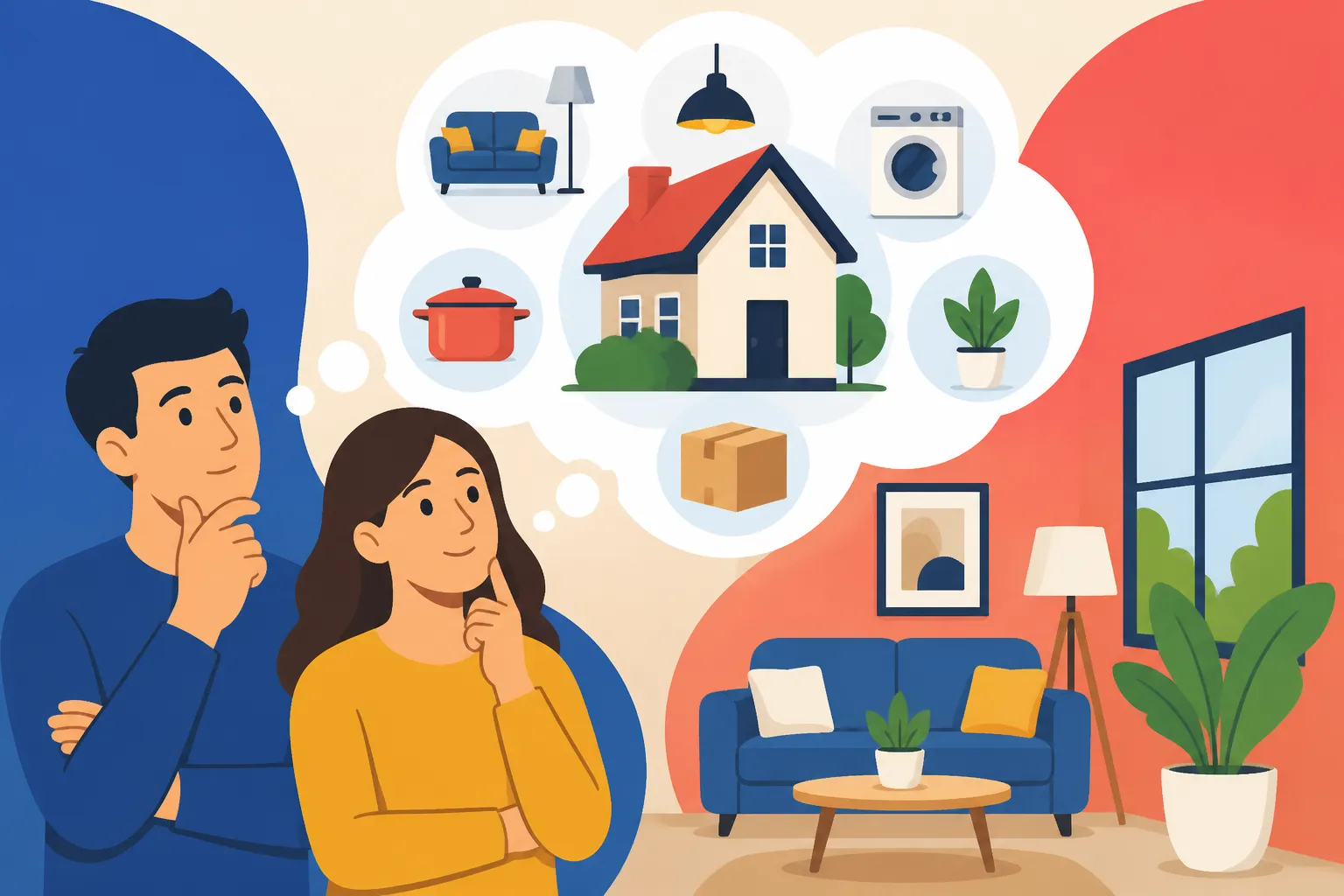
Alright, my friend, so you've made the leap and you're ready to set up shop in Serbia. Wonderful! But let's be real, the thought of actually turning an empty apartment into a home can be daunting, especially when you're trying to figure out all the initial costs in a new country. It’s not just the rent, is it? It’s the deposits, the utility connections, the internet, the basics for your kitchen – it all adds up. This guide is here to unpick all those initial financial threads, giving you a realistic picture of what to expect when you’re setting up your home here in Serbia. No sugar-coating, just practical advice from someone who’s been there.
The Initial Burst: Deposits, Fees, and First Payments
When you first arrive and start looking at apartments, it feels like a whirlwind of excitement mixed with a healthy dose of "what am I getting myself into?" The first big chunk of change you’ll be shelling out usually goes towards securing your rental property. It’s more than just the first month's rent, trust me.
Rental Deposits and Agency Fees
This is often where the biggest upfront cost lies. In Serbia, it's standard practice to pay a security deposit, and sometimes, you'll find yourself paying two or even three months' worth of rent upfront as a deposit. It can feel like a punch to the gut when you're just starting, especially if you're coming from a country where one month's deposit is the norm. Landlords do this for peace of mind, of course, but for us expats, it means needing a significant cash reserve before you even get the keys. Always ensure your rental contract clearly states the deposit amount, the conditions for its return, and ideally, when it will be returned. A detailed contract is your best friend here. For more insights on this, you might want to check out How Do I Sign a Rental Contract in Serbia?.
Then there are the agency fees. While you can certainly scour local websites like Nekretnine.rs or 4zida.rs yourself, many expats opt for real estate agencies to navigate the language barrier and local market nuances. These agencies typically charge a fee, which can range from 50% to a full month's rent. This fee is usually paid by the tenant, though sometimes it's split with the landlord. My advice? Clarify this upfront. Ask if the fee is a percentage or a fixed amount, and exactly who is responsible for paying it. This can easily add several hundred euros to your initial setup budget. Negotiate if you can, but remember, the market in places like Belgrade can be competitive.
Administrative Costs and Address Registration
Even after you've found your perfect pad, there are those pesky administrative steps. The first thing you absolutely must do, often within 24 hours of arrival or certainly within a few days of moving into your new home, is register your address with the police. This is known as Prijava Boravka, or the "White Card" (Beli Karton), and it’s critical for your temporary residence permit process. While the direct cost for this is minimal, often just a small administrative stamp fee, the time and effort can be considerable. You or your landlord needs to go to the local police station (MUP) with your passport and the rental contract. Missing this step can cause headaches down the line when you're trying to process your How to Register Your Address Prijava with the Police in Serbia.
Beyond that, if you're working with an immigration lawyer or agent to process your residence permit (which many expats do, and it's highly recommended to ease the burden), their fees will also be part of your initial setup. These fees vary wildly but can range from a few hundred to over a thousand euros, depending on the complexity of your case and the services included. Don't forget notary fees for certain documents, which are usually minor but add up.
Getting Connected: Utilities, Internet, and Mobile
Once you've got a roof over your head and the initial papers are in motion, the next priority is getting all your creature comforts up and running. This means electricity, water, heating, and of course, staying connected to the outside world.
Electricity, Water, and Heating Setup
Unlike some countries where you might have to call up utility companies to get services activated, in Serbia, electricity (provided by EPS), water, and central heating (often handled by local communal companies like Infostan in Belgrade) are almost always already connected in rental apartments. You won't typically pay an activation fee for these. What you will pay for is the first month's consumption, or at least a portion of it, depending on when you move in and the billing cycle.
Bills usually arrive monthly, sometimes with a slight delay. It’s worth sitting down with your landlord to understand how the bills work, where they are paid (often at the post office, banks, or via online banking once you get set up with The Expat Guide to Opening a Bank Account in Serbia), and what the average costs are. Heating, especially central heating in the colder months (October to April), can be a significant cost. If your apartment has electric heating or gas, you’ll need to factor that into your monthly budget. Generally, The Expat Guide to Setting Up Utilities Electricity Water Heating in Serbia can give you a deeper dive into this.
Internet and TV
Ah, the lifeline for any expat! Getting reliable internet is usually high on the priority list. Serbia has several good providers like SBB (now part of United Group), Yettel (formerly Telenor), and A1 (formerly Vip mobile). These companies offer various packages that include internet, TV, and sometimes landline phone services.
When you sign up, you'll usually choose a package with a contract, often for 12 or 24 months. Installation fees are sometimes waived with longer contracts or special promotions, but it's crucial to confirm this. Expect to pay anywhere from 2,500 to 5,000 RSD per month for a decent internet package, depending on speed and whether you bundle it with TV. The good news is that internet speeds are generally very good here. The installation process usually takes a few days to a week after you sign the contract. Make sure to ask about Wi-Fi router costs – sometimes they’re included, sometimes there’s a rental fee. When choosing, consider How Do I Choose the Best Internet Provider in Serbia? to match your needs.
Mobile Connectivity
You'll want a local SIM card as soon as possible. While your foreign phone might roam, those costs add up quicker than a Belgrade taxi driver changing lanes. Buying a prepaid SIM card is straightforward; you can get one from any kiosk, supermarket, or official store for Yettel, A1, or MTS. The initial cost for the SIM itself is minimal, perhaps 300-500 RSD, and then you’ll need to top it up with credit for calls, texts, and data.
However, for those first few days when you’re still getting your bearings and haven’t even managed to set up a local bank account to easily top up, an eSIM can be a lifesaver. I remember landing and needing to call my landlord immediately, but my local SIM wasn't working yet. Having an eSIM like Airalo meant I was connected from the moment I touched down, which was a huge relief for navigation and communicating with people. It gives you immediate data access without having to find a store or deal with language barriers right away. Once you're settled, you can then consider a post-paid plan, which offers better value if you're planning a longer stay. These usually require a residence permit and a local bank account. Setting up a mobile phone plan is also detailed in How Do I Set Up a Mobile Phone Plan in Serbia?.
Building Your Nest: Furnishing and Essentials
So, you've got your utilities and internet sorted. Now comes the fun (or sometimes frustrating) part: making your place feel like yours. This section is all about getting those essential items that turn an apartment into a home.
Furnished vs. Unfurnished
Most rental apartments in major Serbian cities like Belgrade and Novi Sad are offered furnished. This can be a huge blessing, as it means you don't have to immediately invest in big-ticket items like beds, sofas, and dining tables. However, "furnished" can mean anything from a stylish, modern setup to a collection of furniture that looks like it's been in the family since Yugoslavia's heyday. Always check the condition of the furniture, appliances, and generally everything provided. If something is broken or in poor condition, make sure it's noted in the contract or an inventory list to avoid disputes later.
If you opt for an unfurnished place, be prepared for a substantial initial outlay. You're looking at buying everything from scratch, which, while giving you full creative control, can significantly increase your setup costs. Think about a bed (mattress, frame), wardrobe, sofa, dining table and chairs, and basic kitchen appliances like a fridge and stove (though these are often included even in unfurnished places). The costs can quickly run into thousands of euros. For a deeper look into the pros and cons, check out Understanding Furnished vs Unfurnished Rentals in Serbia.
Sourcing Furniture and Appliances
If you're going the unfurnished route or just want to supplement your furnished rental, Serbia offers several options for buying furniture and appliances:
- New Furniture: You'll find international chains like IKEA in Belgrade, which is a popular choice for expats due to its familiar offerings and reasonable prices. Local Serbian brands like Forma Ideale and JYSK also offer a wide range of furniture. For electronics and appliances, stores like Tehnomanija, Gigatron, and Emmezeta are popular. A new bed and mattress could easily cost 300-800 EUR, a sofa another 400-1000 EUR, and so on. These costs can pile up.
- Second-Hand: This is often the expat's secret weapon for keeping costs down. Websites like KupujemProdajem (think local eBay/Craigslist) are fantastic for finding used furniture, appliances, and electronics. Facebook Marketplace groups for expats in Serbia are also vibrant communities where people sell items as they move on. You can snag some incredible deals here, but be prepared to arrange your own transport. Delivery services are readily available in most cities, but that's an extra cost to factor in.
- Kitchen and Household Essentials: Don’t forget the small stuff! Plates, cutlery, pots and pans, towels, bedding, cleaning supplies. A trip to a larger supermarket like Maxi, Tempo, or Idea will cover your initial grocery needs, but for household items, stores like JYSK, Home Center, and even local pijaca (markets) can be good for finding basics. Expect to spend at least 100-300 EUR on these initial household items, depending on how minimalist you can be.
Beyond the Basics: Hidden Costs and Practicalities
Moving to a new country always throws up a few curveballs. There are always those small, often overlooked expenses that can nibble away at your budget if you're not prepared.
Moving and Shipping
If you're bringing your life's possessions with you, the cost of international shipping can be substantial. This varies enormously depending on the volume of your belongings, the distance, and the service level (door-to-door, port-to-port, etc.). Researching reliable international movers and getting multiple quotes is key. Services like Sirelo can be incredibly helpful for comparing different moving companies and finding one that suits your budget and needs. They connect you with various movers, allowing you to get a clearer picture of market prices and services for moving to Serbia. Remember to factor in potential customs duties or import taxes, though personal belongings typically have exemptions if you're relocating.
Even if you’re just moving within Serbia or buying second-hand items, you’ll likely need transport. Hiring a ‘man with a van’ service is common and relatively affordable, usually costing 2,000-5,000 RSD for a few hours of work, depending on the load and distance.
Transport and Getting Around
When you first arrive, you’ll rely heavily on taxis or public transport. Taxis in Belgrade can be pricey if you’re not careful; always insist on the meter or agree on a price upfront. Download local ride-sharing apps like Yandex Go or CarGo for transparent pricing. An initial cost for this could be 1,000-3,000 RSD just for getting from the airport and running initial errands.
For public transport, you'll need a BusPlus card in Belgrade, which you top up with credit. The card itself costs a few hundred RSD, and then you load it with money for individual rides or a monthly pass. A monthly pass is quite affordable, usually around 2,500-3,000 RSD. This is a crucial early purchase to avoid constantly buying single tickets.
Unexpected Surprises and Buffer Budget
Every expat will tell you there are always unforeseen costs. Maybe you need a translator for a document, a notary for your contract, or an extra trip to the MUP because you missed a document. Currency exchange rates can fluctuate, and fees for international money transfers can eat into your funds. Having a buffer – at least 10-15% of your total estimated setup costs – is a really smart move. This "miscellaneous" fund will save you a lot of stress when those small, unavoidable expenses pop up. It’s also wise to research The Complete Guide to Cost of Living in Serbia for Expats (2026) to get a broader understanding of what to expect financially.
Also, consider your initial grocery shop. You'll need more than just milk and bread. Stocking up on basics like salt, sugar, oil, spices, and cleaning supplies will set you back more than a regular weekly shop.
Here's a rough breakdown of potential initial setup costs for a modest 1-bedroom apartment in Belgrade, to give you a clearer picture:
| Category | Low Estimate (EUR) | High Estimate (EUR) | Notes |
|---|---|---|---|
| Rental Costs | |||
| First Month's Rent | 350 | 800 | Varies by location, size, and modernity (e.g., How Much Does It Cost to Rent an Apartment in Belgrade in 2026?) |
| Security Deposit (1-2 months) | 350 | 1,600 | Often 1-2 months' rent, sometimes more. |
| Agency Fee | 175 | 800 | Typically 50-100% of one month's rent. |
| Administrative & Services | |||
| Address Registration (MUP) | 5 | 15 | Minimal stamp fees, mostly time and hassle. |
| Immigration/Legal Assistance | 0 | 1,000 | Optional, but recommended for residence permit applications. |
| Internet & TV Setup | 0 | 50 | Installation might be free with a contract, or a small fee. First month's subscription approx. 20-45 EUR. |
| Mobile SIM Card & Initial Top-up | 5 | 20 | Basic SIM card and initial credit. Consider Airalo for immediate data on arrival. |
| Home Furnishing & Essentials | |||
| Basic Kitchenware (new) | 100 | 300 | Pots, pans, plates, cutlery, glasses. |
| Bedding & Towels (new) | 50 | 150 | Essential for comfort. |
| Cleaning Supplies | 20 | 50 | Detergents, brushes, mop. |
| Other Small Household Items | 50 | 150 | Lamps, extension cords, basic decor. |
| Furniture (if unfurnished, second-hand) | 500 | 1,500 | For major items like bed, sofa, wardrobe, dining table. Can be significantly higher if buying new. |
| Miscellaneous | |||
| Initial Groceries | 50 | 150 | Stocking pantry with basics. |
| Local Transport | 30 | 80 | Taxi from airport, BusPlus card, initial rides. |
| Moving/Shipping (international) | 0 | 5,000+ | Highly variable. Use services like Sirelo to compare quotes. Can be zero if you bring minimal luggage. |
| Buffer for Unforeseen Costs | 100 | 300 | Always keep a cushion! |
| Total Estimated Initial Outlay | 1,800 | 12,000+ | This range is broad because it heavily depends on furnished/unfurnished, location, and how much you bring with you. This doesn't include the broader The Complete Guide to Moving to Serbia Your First 90 Days (2026) which can have other costs. |
Keep in mind these are just estimates. The actual costs can vary significantly based on your personal choices, the city you choose, and current market conditions. Being prepared for the high end of the range is always safer.
Conclusion
Setting up a home in Serbia, like anywhere new, involves a cascade of initial expenses. From the moment you sign that rental agreement and pay the hefty deposits and agency fees, through getting your phone connected with an Airalo eSIM and stocking your fridge, to finally arranging your furniture with help from a mover you found through Sirelo, it's a process that requires both patience and a decent financial buffer. While the thought of all these costs might seem overwhelming at first, breaking them down into manageable categories makes it far less daunting. With careful planning and a realistic budget, you'll soon find yourself comfortably settled into your new Serbian home. Don’t rush, take your time, and enjoy the journey of nesting in this vibrant country!
Disclaimer
The information provided in this guide is for general informational purposes only and does not constitute financial, legal, or immigration advice. While every effort has been made to ensure accuracy and provide realistic estimates, prices and regulations in Serbia can change frequently. Readers are strongly advised to verify all information with official sources, relevant authorities, and professional advisors before making any decisions. The author and publisher assume no responsibility for any loss or damage incurred as a result of relying on this information.