Can Foreigners Buy Property in Serbia?
One of the biggest dreams for many expats settling in Serbia, or even those just considering a move, is the thought of truly making this country their home – and for many, that means buying property. It’s a completely natural desire, but the question of "Can foreigners buy property in Serbia?" is often met with a murky mix of half-truths and outdated information. Navigating the legalities and practicalities can feel like trying to solve a Rubik's Cube blindfolded, but rest assured, it is absolutely possible. This comprehensive guide will walk you through everything you need to know, from the legal framework to the nitty-gritty of the purchase process, ensuring you’re well-equipped to turn that dream into a reality.
The Legal Framework for Foreign Property Ownership in Serbia
Ah, the legal stuff – the part that makes everyone's eyes glaze over, especially when it involves another country's bureaucracy! But when it comes to buying property in Serbia, understanding the foundational legal principles is your first and most crucial step. It's not as simple as showing up with a wallet full of dinars, unfortunately. There are rules, and they largely depend on where you hail from.
Reciprocity Principle: Who Can Buy What
At the heart of foreign property ownership in Serbia lies the "reciprocity principle." This isn't some obscure legal jargon; it's actually quite straightforward, though often misunderstood. In essence, it means that citizens of a foreign country can buy property in Serbia if Serbian citizens are allowed to buy property in their country, under similar conditions.
For citizens of European Union member states and countries that have signed specific bilateral agreements with Serbia, this is usually a non-issue. The reciprocity is typically assumed and broad, meaning you can generally buy apartments, houses, and building land without major hurdles. If you're from a country like Germany, France, or the USA, you're usually good to go for residential and commercial properties. However, there are nuances. Agricultural land, for example, is generally off-limits for foreign individuals, regardless of reciprocity. This is a common restriction in many countries to protect national food security and local farming industries. If you're a company registered in Serbia, regardless of foreign ownership, the rules might be different, allowing for a broader scope of purchases, but that's a whole other can of worms.
For those of us from countries where direct reciprocity isn't immediately clear, or perhaps where Serbian citizens face restrictions, the path can be a little trickier. You might need to prove that reciprocity exists through official channels, which can add time and complexity to the process. It's why getting solid legal advice from a Serbian lawyer who specialises in real estate is non-negotiable from day one. They can quickly ascertain your specific situation and tell you exactly what you're up against.
Types of Property Foreigners Can Own
So, what exactly can you put your name on? Generally, foreigners, especially those from countries with established reciprocity, can purchase:
- Apartments and Houses: This is by far the most common type of property expats buy. Whether you're looking for a chic flat in Belgrade's Vračar district or a tranquil house in the Vojvodina countryside, these are typically straightforward. The process is similar to what a Serbian citizen would go through, albeit with the added layer of foreign documentation.
- Building Land: If you dream of building your own custom home, purchasing building land is an option. This falls under the same reciprocity rules as residential properties. Be very careful with the zoning regulations here, as they can be quite strict and complex. What looks like an empty plot might have severe restrictions on what can actually be built there.
- Commercial Property: For those looking to set up a business or invest, commercial spaces like offices, retail units, or warehouses are also generally available for purchase by foreign individuals or companies. Again, the reciprocity principle applies.
What you generally cannot own as a foreign individual is agricultural land. This isn't just a Serbian thing; it's a measure to protect national resources. However, if you establish a company in Serbia, that company can own agricultural land. This is a common workaround for foreign investors interested in agriculture, but it involves the additional steps of company registration and adhering to corporate regulations.
Understanding these distinctions from the outset will save you a world of headache. It's not about being denied ownership; it's about understanding the specific legal channels for your nationality and the type of property you're eyeing.
Navigating the Property Purchase Process as a Foreigner
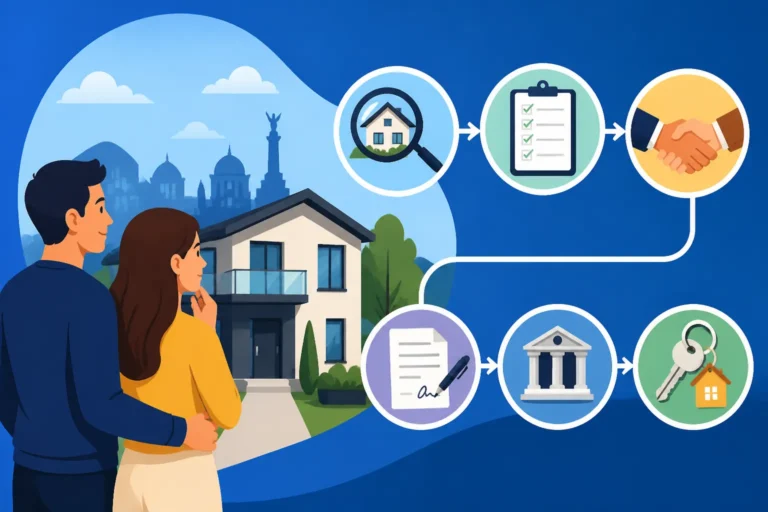
Alright, so you've confirmed that your passport allows you to legally buy the type of property you want. Fantastic! Now comes the exciting (and sometimes exasperating) part: the actual purchase process. While it might seem daunting, breaking it down into manageable steps makes it a lot less scary. Just remember, patience is a virtue, especially when dealing with Serbian administrative processes.
Finding a Property and Due Diligence
The journey begins with finding your perfect spot. This might involve endless scrolling on local property websites, walking through neighbourhoods you fancy, or, most commonly, engaging a real estate agent. Finding a reliable real estate agent in Serbia is paramount. Look for agencies with experience dealing with foreign buyers, as they’ll be more familiar with the specific paperwork and nuances involved. Websites like Nekretnine.rs are popular starting points, but agents often have access to properties not widely advertised.
Once you’ve found a potential gem, due diligence is your best friend. This isn't just a fancy term; it's absolutely critical. You must verify the legal status of the property. This means checking the land registry (Katastar) to confirm:
- Ownership: Ensure the seller is the legitimate, sole owner, or that all co-owners are involved in the sale.
- Encumbrances: Are there any mortgages, liens, easements, or other legal burdens on the property? You don't want to inherit someone else's debt or legal issues.
- Legalisation: Many properties in Serbia, especially older ones or those outside of major city centres, might have unresolved legalisation issues, meaning they were built without proper permits or their status hasn't been fully resolved with the authorities. Buying an unlegalised property can lead to huge headaches down the line, including difficulties with permits, resale, or even demolition orders. Always, always verify legalisation.
- Zoning and Usage: If it’s land, check the urban plan and zoning regulations to ensure you can build what you intend to build. For apartments, verify the actual area and layout against the official records.
This due diligence process is where a good lawyer becomes invaluable. They will conduct these checks thoroughly, explain any red flags in plain English, and protect your interests. Don't cut corners here to save a few euros; it could cost you a fortune in the long run.
The Contract and Notary Process
Once due diligence is complete and you're ready to proceed, it's time for the paperwork. The purchase process typically involves a pre-contract (pred-ugovor) and a main purchase contract (kupoprodajni ugovor).
- Pre-Contract: This is an agreement to sell, typically signed after you agree on the price and conditions. You'll usually pay a deposit (kapara), which is generally 10% of the purchase price. This deposit is crucial because if you back out without a valid legal reason, you lose it. If the seller backs out, they are usually obliged to return double the deposit. The pre-contract will outline the property details, price, payment schedule, and conditions for the main contract.
- Main Purchase Contract: This is the definitive legal document. It must be prepared by a lawyer and then certified by a public notary (javni beležnik). The notary plays a crucial role in Serbia. They are not just witnesses; they legally verify the identities of all parties, ensure the contract complies with Serbian law, confirm the seller's ownership based on public records, and ensure the contract is valid for registration in the land registry.
Crucially, all foreign documents, such as your passport (if not Serbian), power of attorney (if someone is representing you), or marriage certificate (if buying with a spouse), will need to be officially translated into Serbian by a certified court translator and often apostilled or legalised, depending on your country of origin. This is where staying connected with a good local SIM card or an Airalo eSIM comes in handy, ensuring you can communicate effectively with your lawyer and translator throughout these important steps.
Here's a simplified breakdown of the core steps:
| Step | Description | Key Player | Estimated Timeframe |
|---|---|---|---|
| 1. Property Search & Offer | Find suitable property, agree on price and terms. | Buyer, Real Estate Agent, Seller | Varies |
| 2. Due Diligence | Lawyer checks land registry, ownership, legalisation, encumbrances. Crucial! | Buyer's Lawyer | 1-3 weeks |
| 3. Pre-Contract (Optional but common) | Agreement to sell, payment of deposit (10%). Notary certification advised. | Buyer, Seller, Lawyers, Notary | 1-2 days |
| 4. Main Purchase Contract | Final contract signed and certified by a public notary. Payment of remaining balance or agreed instalments. | Buyer, Seller, Lawyers, Notary | 1-2 days |
| 5. Tax Assessment & Payment | Notary submits contract to Tax Administration. Buyer pays Property Transfer Tax (2.5%). | Notary, Tax Administration, Buyer | 2-4 weeks |
| 6. Registration in Land Registry | Notary submits application for transfer of ownership. Official change of ownership recorded. | Notary, Geodetic Authority (RGZ) | 1-3 months |
Key Documents and Requirements for Foreigners
Beyond the standard purchase contracts, as a foreigner, you'll need a few additional documents:
- Valid Passport: This is your primary identification.
- Serbian Tax Identification Number (PIB): You'll need this to pay taxes and register the property. Your lawyer can help you obtain this from the Tax Administration (Poreska Uprava).
- Proof of Funds: You might need to demonstrate the origin of your funds, especially for large sums, due to anti-money laundering regulations. This could involve bank statements from your home country.
- Certified Translations: Any document not originally in Serbian (e.g., your birth certificate, marriage certificate, if required) will need to be translated by a court-certified translator.
- Apostille/Legalisation: Depending on your home country and whether it's a signatory to the Hague Apostille Convention, your documents might need an apostille stamp or full diplomatic legalisation to be recognised in Serbia. Your lawyer will guide you on this.
It's a lot, I know. But each step is there to protect your investment and ensure legal compliance. Don't rush or try to bypass any part of the process.
Practical Considerations and Potential Hurdles
Buying property anywhere new comes with its own set of challenges, and Serbia is no exception. Beyond the legalities, there are practical aspects and potential hurdles that are good to be aware of upfront. A little preparation can save you a lot of stress.
Associated Costs and Taxes
It's never just the sticker price, is it? When buying property in Serbia, you need to budget for several additional costs:
- Property Transfer Tax: This is usually the largest additional cost. It's currently 2.5% of the purchase price (or the estimated market value, whichever is higher) and is typically paid by the buyer. The notary will submit your contract to the Tax Administration for assessment.
- Notary Fees: Public notaries charge fees based on a tariff, which depends on the value of the property. For example, for properties valued up to €50,000, the fee is a fixed amount plus a percentage. The fees increase with property value but are capped at a certain point.
- Legal Fees: As mentioned, a lawyer is essential. Their fees will vary depending on their experience, the complexity of the case, and the property value, but typically range from 1% to 2% of the purchase price.
- Real Estate Agent Fees: If you use an agent, they usually charge a commission, often between 2% and 3% (plus VAT) for each party (buyer and seller). Make sure you understand their fee structure upfront.
- Certified Translations and Apostille/Legalisation: These costs can add up, especially if you have several documents. Translations typically cost per page or per word, and apostilles have a fixed state fee.
- Registration Fees: Small administrative fees are charged for registering your ownership in the land registry.
- Annual Property Tax: Once you own the property, you’ll be liable for annual property tax, which is assessed by the local municipality and varies based on location, size, and property type. Understanding Property Tax for Homeowners in Serbia is an important ongoing consideration.
These costs are generally paid in Serbian Dinars (RSD). Always get a clear breakdown from your lawyer and agent so there are no nasty surprises.
Language Barrier and Local Customs
While many Serbians, especially in Belgrade and Novi Sad, speak English, particularly younger generations and those in service industries, the official administrative language is Serbian. Property contracts, legal documents, and most communication with government bodies will be in Serbian. This is why a good translator and a bilingual lawyer are indispensable.
Beyond language, understanding local customs and the pace of bureaucracy is key. Things might move slower than you’re used to. Patience and a calm approach will serve you well. Don't expect instant answers or highly efficient digital processes for everything. While some services are moving online, many still involve physical paperwork and multiple visits to different offices. When preparing for a big move, companies like Sirelo can assist with the logistics of international shipping, ensuring your belongings arrive smoothly as you settle into your new Serbian home.
Finding a Reliable Real Estate Agent and Lawyer
This is probably the single most important piece of advice: invest in excellent professional help.
- Lawyer: Do not proceed with any property transaction without your own independent lawyer. Do not rely solely on the seller's lawyer or the agent's recommended lawyer (unless you have thoroughly vetted them and are confident in their independence). Your lawyer acts solely in your interest, performing due diligence, drafting/reviewing contracts, advising on tax implications, and guiding you through every bureaucratic maze. Look for lawyers with experience in real estate law and, ideally, those who regularly work with international clients.
- Real Estate Agent: A good agent can save you immense time and frustration by sourcing suitable properties, negotiating on your behalf, and understanding the market. A bad agent, however, can lead you down a rabbit hole of unsuitable properties, inflated prices, or even legal issues. Seek referrals from other expats, check online reviews, and interview a few agents before committing. Ensure they are licensed and understand your specific needs as a foreign buyer.
Remember, this is a significant investment. Skimping on professional fees to save a small percentage could expose you to much larger financial risks down the road.
Why Buying Property in Serbia Can Be a Smart Move
Despite the administrative hurdles and paperwork, a growing number of foreigners are choosing to buy property in Serbia. There are compelling reasons why it can be a truly smart and rewarding decision, offering both financial and lifestyle benefits.
Attractive Property Prices and Potential for Appreciation
Let's be honest, for many, the cost is a huge draw. Compared to Western European capitals or even many other Balkan countries, property prices in Serbia, particularly outside of prime Belgrade locations, are remarkably affordable. You can get a lot more for your money here. This affordability isn't just about initial purchase price; it also translates into lower running costs and property taxes.
While prices in sought-after areas of Belgrade (like Vračar, Stari Grad, Novi Beograd) have seen significant appreciation in recent years, there's still perceived value and growth potential, especially as Serbia continues its path towards EU integration and economic development. Investing now could yield substantial returns in the long term. For those looking for even greater value, cities like Novi Sad or Niš offer excellent opportunities at even more attractive price points, combined with a vibrant quality of life. Understanding Property Ownership and the Market in Serbia can help you make an informed decision.
Lifestyle Benefits and Quality of Life
Beyond the financial aspects, owning property in Serbia provides an unparalleled sense of stability and belonging. If you've decided to move to Serbia permanently, having your own place means you can truly settle in, renovate to your taste, and avoid the constant churn of rental agreements. It solidifies your presence and commitment to your new home country.
Serbia offers a fantastic quality of life with its rich culture, delicious food, friendly people, and beautiful nature. Owning a home allows you to fully immerse yourself in this experience, whether it's hosting friends and family, cultivating a garden, or simply having a comfortable base from which to explore. This emotional connection to a tangible asset in your chosen country can be incredibly fulfilling.
Investment Opportunities and Rental Income
For some, buying property in Serbia isn't just about finding a home; it's a strategic investment. With a growing tourism sector and an influx of foreign professionals and digital nomads, there's a strong demand for rental properties, especially in major cities. You could potentially generate a decent rental income, helping to offset costs or even providing a passive income stream.
Moreover, the real estate market, while dynamic, has shown resilience and growth. Diversifying your investment portfolio with a tangible asset in a developing market like Serbia can be a smart move, especially given the current global economic climate. Whether you plan to live in it, rent it out, or hold it for future capital gains, Serbian property offers interesting prospects.
Building Equity and Long-Term Stability
Renting is often seen as throwing money away, whereas buying allows you to build equity over time. As you pay off your mortgage (if you take one out), or as the property appreciates in value, your net worth increases. This equity can be a valuable asset for future financial planning, whether it's for retirement, your children's education, or another investment.
For expats, the long-term stability that comes with property ownership is a significant benefit. It gives you a permanent address, which can simplify other administrative processes, and it offers peace of mind, knowing you have a secure base, regardless of fluctuating rental markets. It's a statement of commitment, not just to Serbia, but to your own future here. It forms a solid foundation for your life as an expat in this wonderful country.
Disclaimer
The information provided in this guide is for general informational purposes only and does not constitute legal, financial, or tax advice. Property laws, regulations, and taxes in Serbia can change and vary based on individual circumstances. It is essential to consult with a qualified Serbian lawyer and, if necessary, a tax advisor, before making any property purchase decisions. The author and publisher disclaim any liability for reliance on this information.