The Expat Guide to Public Transport in Serbia
Navigating public transport in a new country can feel like trying to solve a Rubik's Cube blindfolded, especially in Serbia where systems can be a bit… unique. Many of us expats have found ourselves standing at a bus stop, utterly bewildered, wondering if the next bus is ever coming or if we're even on the right side of the street. This comprehensive guide is here to shed light on Serbia's public transport, helping you commute like a seasoned local and bypass those early-days frustrations.
Getting Your Bearings: An Overview of Public Transport in Serbia
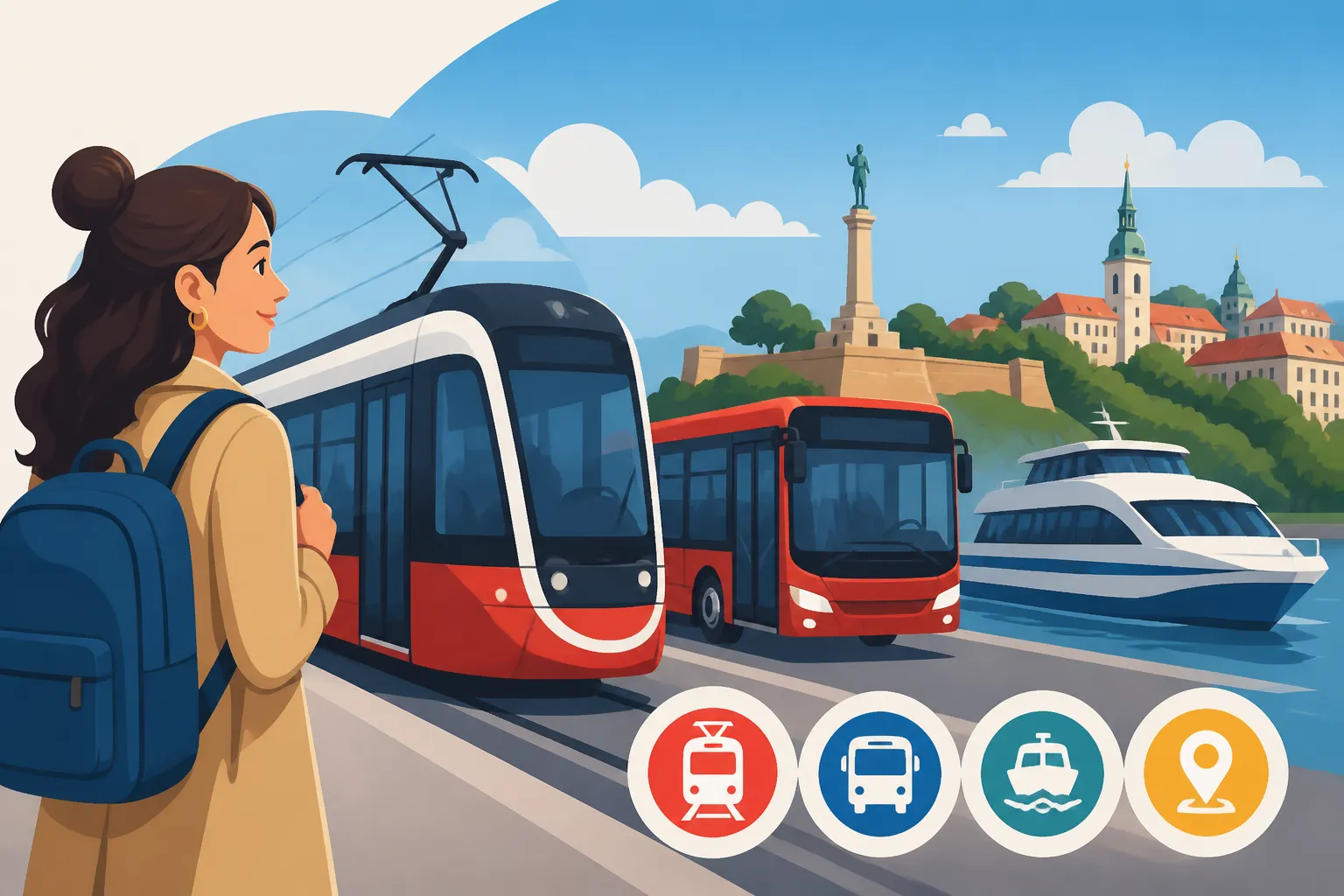
When you first arrive in Serbia, particularly if you’re coming from a country with highly integrated digital transport solutions, the public transport system might feel a little… rustic. But don's let that deter you! It’s reliable, incredibly affordable, and once you get the hang of it, it’s a perfectly viable way to get around. The main cities, Belgrade, Novi Sad, and Niš, each have their own municipal transport companies, predominantly relying on buses, trams, and trolleybuses within city limits, while intercity travel is largely dominated by an extensive bus network.
The beauty of it all is that you’re often immersed directly into the local rhythm. You’ll hear the chatter of Serbian, observe daily life unfolding, and sometimes, you’ll even get a helping hand from a friendly local if you look sufficiently lost. This isn't just about getting from A to B; it's about experiencing Serbia from the ground up.
The Public Transport Landscape in Major Cities
Each major city in Serbia has its own distinct flavour when it comes to public transport, though they all share a common theme: buses are king. In Belgrade, the capital, the network is the most extensive and, frankly, the most complex. You’ll find a mix of GSP Beograd (Gradsko saobraćajno preduzeće Beograd – City Transport Company Belgrade) buses, trams, and trolleybuses crisscrossing the city, connecting every neighbourhood. It's a vast system designed to move millions of people daily, and it does a pretty decent job, even if it sometimes feels like a chaotic ballet during rush hour.
Novi Sad, a charming city known for its relaxed vibe, has a more streamlined system run by JGSP Novi Sad. While also primarily bus-based, the routes are generally easier to understand and navigate, perhaps reflecting the city's less frenetic pace. Niš, in the south, offers a similar bus-centric experience, with a mix of municipal lines and private operators like Niš-Ekspres handling both local and regional routes. Don't expect a subway or metro system anywhere in Serbia – that's one modern amenity that hasn't quite arrived yet, though Belgrade has grand plans for one in the distant future.
General Rules and Etiquette for Newcomers
Stepping onto a Serbian bus or tram, you’ll quickly notice a few unspoken rules. First off, personal space is a bit more… flexible than you might be used to in some Western countries. During peak hours, buses can get incredibly packed, so be prepared to get cosy with your fellow passengers. Always offer your seat to elderly people, pregnant women, or those with small children; it's a deeply ingrained cultural courtesy that is always appreciated.
When you board, make sure you have a valid ticket or a topped-up transport card. While ticket checks aren't constant, they do happen, and getting caught without a valid fare can lead to an on-the-spot fine, which is never a fun experience. Try to board through the front door and exit through the middle or back doors to keep the flow moving. Most importantly, don’t be afraid to ask for help if you’re unsure of your stop or route. Many younger Serbians speak English and are usually happy to assist. Just a simple "Izvinite, da li je ovo stanica za…?" (Excuse me, is this the stop for…?) can go a long way. This is especially useful when you're still in your first 90 days and figuring out the lay of the land, as covered in The Complete Guide to Moving to Serbia: Your First 90 Days.
Deciphering Belgrade's Public Transport System (GSP Beograd)
Belgrade’s public transport can feel like a beast with many heads, but once you understand its rhythms and quirks, it becomes second nature. It’s the lifeline of the city, connecting bustling downtown areas with residential neighbourhoods, historic sites, and even the sprawling suburbs. The system is a patchwork of yellow buses, red trams, and blue trolleybuses, each with its own routes and purposes, operating from early morning until late into the night.
One of the biggest initial hurdles for many expats is the sheer volume of lines and the seeming lack of clear signage in English. You might find yourself staring at a bus stop timetable filled with Cyrillic script and feeling utterly lost. But fear not, there are tools and tricks to demystify it all. Remember, countless expats before you have mastered this, and you will too!
Navigating Buses, Trams, and Trolleybuses
Buses: These are the workhorses of Belgrade’s transport. They cover the widest area, reaching almost every corner of the city. Bus numbers indicate the route, and sometimes a letter suffix (like "E" for express or "L" for local) provides extra detail. For instance, the 26 bus is a very common route. Buses can be crowded, especially during morning and afternoon rush hours, so be prepared to stand. Some buses are modern, air-conditioned models, while others are older, with open windows providing a natural, if sometimes dusty, breeze.
Trams: Trams operate on fixed tracks, primarily serving central areas and connecting key parts of the city. They offer a slightly smoother, often less crowded ride than buses and are a fantastic way to see the city pass by. Routes like tram 2, known as the "krug dvojke," circle the city centre and are a useful way to get acquainted with the downtown core. Trams are particularly scenic in areas like Vračar or along the Sava river.
Trolleybuses: These electric buses run on overhead power lines, operating on specific routes mainly in central and residential areas. They are quieter and more environmentally friendly than traditional buses. Trolleybuses often serve routes that climb Belgrade's many hills, offering a convenient way to reach neighbourhoods like Crveni Krst or Banjica without much effort. Understanding the nuances of these different networks is key to getting around effectively, and you can dive deeper into this with Understanding the Belgrade Bus, Tram and Trolleybus Networks.
Belgrade's Ticketing System: BusPlus and Beyond
For a long time, Belgrade’s public transport ticketing system was a source of confusion and frustration for both locals and expats alike. Thankfully, things have become more streamlined with the BusPlus card. This is essentially your electronic ticket to ride. You can buy two types:
- Personalised BusPlus Card: This card has your photo and name on it, and it's intended for monthly passes, which are the most economical option if you use public transport frequently. You can get these at designated BusPlus sales points or larger kiosks. This is the ideal option for long-term residents.
- Non-personalised (Anonymous) BusPlus Card: This is a reusable card that you can top up with credit for single rides or daily/weekly passes. It’s perfect for tourists, occasional users, or when you're first arriving and haven't sorted out your permanent residence yet. You can purchase and top up these cards at most newsstands (kiosks) across the city.
To validate your ride, simply tap your card on the validator device when you enter the vehicle. A green light indicates success. If you're caught without a valid ticket, expect a fine of around 5,000 RSD, payable on the spot or within a few days. It's really not worth the hassle or the uncomfortable confrontation. Sometimes, there are special events or times when tickets might not be required, but it's always safer to assume they are.
Beyond BusPlus, there's also the option to buy a single paper ticket directly from the driver on some buses, though this is becoming less common and usually costs a bit more. It's always best to have a BusPlus card ready.
Planning Your Journey: Apps and Resources for Belgrade
Gone are the days of solely relying on outdated paper maps or guessing your route. Technology has made planning journeys much easier, even if the apps aren't always perfect.
Moovit: This is arguably the most popular and reliable app for navigating Belgrade's public transport. It offers real-time arrivals, route planning, and even alerts about service changes or delays. While not always 100% accurate on arrival times (Serbian traffic has a mind of its own), it’s an invaluable tool for understanding which bus, tram, or trolleybus to take and where to get off.
Google Maps: Google Maps has significantly improved its public transport integration for Belgrade in recent years. You can select the public transport option and get detailed directions, including walk times to stops and estimated travel durations. It’s often a good cross-reference to Moovit.
Official GSP Website: While mostly in Serbian, the GSP Beograd website provides route maps and timetables. It can be useful if you're trying to understand the full scope of a particular line. For keeping your phone connected to use these apps, especially when you're out and about exploring the city, a local SIM card or an eSIM from a provider like Airalo can be a lifesaver. Having data means you're never truly lost.
When planning, remember that Belgrade traffic can be notoriously bad, especially during peak hours. A journey that looks like 15 minutes on the map might easily turn into 30 or 40. Always factor in extra time, particularly if you have an important appointment. For those considering other options for getting around, Driving in Serbia: Licences, Registration and Rules for Expats provides a good comparison of the pros and cons of owning a car versus relying on public transport.
Public Transport in Other Serbian Cities: Novi Sad and Niš
While Belgrade certainly gets the lion's share of attention when it comes to expat living, Serbia's other major cities, Novi Sad and Niš, offer fantastic quality of life and their own distinct public transport systems. These cities are generally smaller and less complex to navigate, making their transport networks a bit less intimidating for newcomers.
Novi Sad's JGSP Public Transport Network
Novi Sad, the capital of Vojvodina, prides itself on its relaxed atmosphere and beautiful architecture. Its public transport system, run by JGSP Novi Sad (Javno gradsko saobraćajno preduzeće Novi Sad), reflects this more laid-back pace. The system is almost exclusively bus-based, with routes radiating out from the city centre to all residential areas and surrounding towns.
Ticketing in Novi Sad is simpler than in Belgrade. You can purchase single-ride paper tickets directly from the driver upon boarding. While there are options for monthly passes for frequent users, the single ticket system works perfectly well for most visitors and newer residents. The cost is very low, making it an incredibly economical way to get around. Most buses are modern, comfortable, and well-maintained.
Finding your way around Novi Sad is also generally straightforward. Most major stops have clear signage, and the city centre is quite walkable. Apps like Moovit also work here, providing route planning and estimated arrival times. The main bus station is centrally located, making connections for intercity travel very convenient. If you're looking for an apartment in Novi Sad, knowing the bus routes can help you assess commute times, as covered in How Much Is the Average Rent for a One-Bedroom in Novi Sad in 2026?.
Niš: Nona and Niš-Ekspres Services
Niš, one of the oldest cities in the Balkans, has a public transport system that is a blend of municipal services and the prominent private operator, Niš-Ekspres. Like Novi Sad, it's primarily a bus network. The local municipal lines cover the city itself, connecting various neighbourhoods and the city centre.
For ticketing on local lines, you'll typically buy a paper ticket directly from the driver. Niš-Ekspres, while a private company, operates many of the city's lines as well as a vast network of intercity and international routes. This means you might find yourself on a Niš-Ekspres bus for a local journey, or for a trip to a nearby town or even Skopje or Sofia.
Niš is a compact city, and many areas are easily explored on foot. However, for longer distances or to reach areas outside the immediate centre, the bus system is efficient. The main bus station is a major hub, with numerous departures throughout the day. Like other cities, using mapping apps will be your best friend in navigating the Niš network effectively.
Intercity Travel: Buses, Trains, and the Serbian Road Network
While public transport within cities focuses on daily commuting, intercity travel opens up the whole country for exploration. Serbia has a surprisingly robust and affordable network for getting between cities, primarily dominated by buses, with trains offering a scenic but sometimes slower alternative. Whether you’re planning a weekend trip to a national park or visiting friends in another city, you’ll find viable options.
The Backbone: Long-Distance Bus Travel in Serbia
Long-distance bus travel is by far the most popular and efficient way to traverse Serbia. Every city, town, and even many villages are connected by a vast network of bus lines. Buses are generally comfortable, well-maintained, and run frequently, especially between major urban centres like Belgrade, Novi Sad, Niš, and Kragujevac.
Booking and Tickets: You can usually buy tickets directly at the bus station (autobuska stanica) on the day of travel, but for popular routes or during peak seasons (like holidays), it's advisable to purchase them in advance. Many bus stations have ticket counters where you can buy tickets up to a few days ahead. Some major carriers, like Lasta or Niš-Ekspres, also offer online booking through their websites, though you might need to use a translation tool if you're not fluent in Serbian.
Luggage: Most long-distance buses charge a small fee (usually around 100-200 RSD, or about €1-2) per piece of luggage that goes into the undercarriage compartment. Keep your luggage ticket safe, as you'll need it to retrieve your bags at your destination. Hand luggage that fits overhead or under your seat is typically free.
Comfort and Amenities: Buses usually have comfortable seats, and some newer models offer Wi-Fi (though signal strength can vary) and even charging ports. Rest stops are common on longer journeys, giving you a chance to stretch your legs, grab a snack, or use the restroom. Bus journeys are also a great way to see the Serbian countryside, from rolling hills to vast plains.
Rail Travel: Exploring Serbia by Train
Train travel in Serbia (Železnice Srbije) offers a more relaxed, often picturesque alternative to buses, though it's generally slower and the network is less extensive. The railway infrastructure has seen better days, and while there are efforts to modernise, many routes use older rolling stock. However, for certain scenic routes, like the Belgrade to Bar line (which extends into Montenegro), train travel is an experience in itself.
Key Routes: The most reliable and improved train lines connect Belgrade with Novi Sad. The recently upgraded high-speed rail line between Belgrade and Novi Sad has significantly reduced travel times, making it a very competitive and comfortable option for intercity travel. Other lines connect Belgrade to Niš, and various other towns, but these are often much slower.
Booking and Tickets: Tickets can be purchased at train stations. Online booking is available for some routes, particularly the Belgrade-Novi Sad line, through the national railway operator's website. Seat reservations are often available and recommended for longer journeys.
Pros and Cons: The main advantage of trains is the comfort, the ability to walk around, and the views. The main disadvantages are often the speed (outside of the new high-speed line) and the more limited network compared to buses. For a detailed look at balancing these options against the overall cost of living, refer to The Complete Guide to Cost of Living in Serbia for Expats.
Ride-Sharing and Taxis: Alternatives for Intercity Journeys
While not strictly "public transport," ride-sharing and traditional taxis are important alternatives, especially for shorter intercity routes or specific needs.
Taxis: Taxis are readily available in all Serbian cities. For intercity journeys, negotiating a fixed price in advance is crucial, as the meter can rack up quickly. Always choose a reputable taxi company; avoid unmarked cars. For example, in Belgrade, Pink Taxi or Beogradski Taxi are reliable options.
Ride-Sharing: Serbia doesn't have major international ride-sharing apps like Uber or Lyft in the same way. However, local alternatives like Car:Go operate in Belgrade and some other cities, offering a similar service through an app. This can be a convenient and often cheaper alternative to traditional taxis for urban travel. For longer intercity trips, you might find informal ride-sharing groups on social media platforms, but always exercise caution and use good judgment with these.
Challenges and Practical Tips for Expats
As an expat, navigating a new country's transport system always comes with a learning curve. Serbia is no exception. From language barriers to unexpected delays, you’ll encounter your share of minor hurdles. But with a bit of preparation and patience, you can overcome them and become a confident public transport user.
Language Barriers and Local Assistance
The biggest hurdle for many newcomers is the language. While younger generations in Serbia often speak English, especially in Belgrade, don't expect it to be universally understood, particularly among bus drivers or older passengers. Bus stop names are almost always in Cyrillic, which can be disorienting.
Practical Tips:
- Learn basic Serbian phrases: "Izvinite" (excuse me), "Hvala" (thank you), "Koju stanicu ide ovaj autobus?" (Which stop does this bus go to?), "Gde je…" (Where is…) can be incredibly helpful.
- Have your destination written down: Showing the name of your destination in Cyrillic on your phone or a piece of paper can make a huge difference.
- Use translation apps: Google Translate or similar apps can be invaluable for quick communication or understanding signs.
- Don't be afraid to ask: Most Serbians are friendly and willing to help, especially if you show you're trying. Pointing to your destination on a map app can often elicit a helpful nod or direction. For staying connected while doing this, ensure your phone has data, perhaps using an eSIM from a provider like Airalo, which offers flexible data plans for travelers.
Staying Safe and Aware on Public Transport
Serbia is generally a safe country, and public transport is no exception. However, like any crowded urban environment, it pays to be aware of your surroundings.
Personal Belongings: Pickpocketing can occur in crowded buses or trams, especially in major cities like Belgrade. Always keep your wallet, phone, and other valuables in a secure, front pocket or a bag that's difficult to open. Avoid displaying expensive jewellery or electronics.
Rush Hour: During peak times, buses can be incredibly packed. Be prepared for close quarters and potentially sudden stops. Hold onto handrails firmly.
Late Night Travel: While public transport runs late, frequencies decrease after midnight. If you're out late, consider a taxi or Car:Go for safety and convenience, especially if you're unfamiliar with the area or are travelling alone.
Emergencies: In the rare event of an emergency, the general emergency number in Serbia is 112, or 194 for an ambulance. Knowing these numbers is crucial, even if you hope you never need them. Understanding Emergency Numbers (194 and 112) and Ambulance Care in Serbia offers further details on what to do in such situations.
Dealing with Delays and Unforeseen Circumstances
Public transport in Serbia, especially in Belgrade, is generally reliable, but delays do happen. Traffic jams are a daily reality, particularly during rush hour or if there's an accident or road closure. Weather conditions, particularly heavy snow in winter, can also impact services.
Managing Expectations: Don't expect Swiss-German punctuality. Build in buffer time for your journeys, especially if you have an important appointment.
Checking for Updates: If you suspect a major delay or disruption, check local news websites or follow local transport authority social media accounts (if you can translate them). Moovit and Google Maps often provide updates, but sometimes local knowledge or asking someone at the bus stop is the fastest way to get current info.
Alternative Routes: If your usual route is completely blocked, check your mapping apps for alternative bus or tram lines, or consider walking if the distance is manageable. Belgrade is surprisingly walkable, and you might discover some hidden gems on foot!
Costs and Budgeting for Public Transport
One of the most attractive aspects of public transport in Serbia for expats is its affordability. Compared to many Western European countries or North America, the costs are incredibly low, making it a very budget-friendly way to get around. This ties in nicely with the general perception of Why Serbia Has Affordable Healthcare: The Expat Guide (2027), as living costs overall tend to be lower.
Understanding Ticket Prices and Passes
The pricing structure varies slightly between cities, but the overall principle is the same: single rides are cheap, and monthly passes offer the best value for frequent users.
Belgrade (BusPlus system):
- Single Ride: Around 90-100 RSD (less than €1) when loaded onto a non-personalised BusPlus card. Purchased directly from the driver (if available) it might be slightly more.
- Daily Pass: Roughly 250-300 RSD (around €2.5).
- Weekly Pass: Approximately 1,000 RSD (around €8.5).
- Monthly Pass: For a personalised card, a monthly pass typically costs around 3,000-3,500 RSD (around €25-30) for most adults. Students and pensioners often get significant discounts. This is by far the most economical option if you plan to use public transport daily.
Novi Sad:
- Single Ride: Around 65-70 RSD (less than €0.60) purchased from the driver. Monthly passes are also available and are similarly affordable.
Niš:
- Single Ride: Similar to Novi Sad, a single ride will cost you around 70-80 RSD directly from the driver. Monthly passes are available from Niš-Ekspres and other operators.
Remember that prices can fluctuate slightly with inflation, so always check the latest information on the respective public transport websites or at ticket vendors. You'll quickly find that this is one area where your budget will thank you, especially if you're trying to figure out How Much Does It Cost to Live in Belgrade per Month?.
Hidden Costs and How to Avoid Them
While public transport itself is cheap, there are a few "hidden costs" or potential pitfalls that expats should be aware of:
- Fines for Invalid Tickets: As mentioned, getting caught without a validated ticket will result in a fine. This is easily avoidable by always tapping your BusPlus card or buying a ticket. The cost of a few extra rides is far less than a fine.
- Expired Cards: If your personalised BusPlus card expires, you'll need to renew it. If you try to use an expired card, it won't work, and you might risk a fine. Keep an eye on the expiry date.
- Top-up Locations: While kiosks are widespread, they might not always be open late at night or early in the morning, or during certain public holidays. Plan ahead and ensure your card has enough credit, especially if you have an early morning journey planned.
- Loss or Damage: If you lose or damage your personalised BusPlus card, you'll need to pay a small fee for a replacement. Anonymous cards are usually non-refundable for their initial purchase cost.
By being mindful of these small details, you can ensure your public transport experience remains stress-free and budget-friendly.
Public Transport for Specific Needs
Serbia is making strides in improving accessibility and services for all passengers. While there's still work to be done, particularly outside of Belgrade, you'll find options for passengers with disabilities and clear rules for transporting luggage and even pets.
Accessibility for Passengers with Disabilities
Accessibility is an area where Serbia's public transport system is undergoing modernisation. In larger cities, particularly Belgrade, newer buses are increasingly equipped with ramps for wheelchair access and designated spaces inside. However, older vehicles, trams, and trolleybuses may still present challenges.
Belgrade:
- Many new GSP Beograd buses have low floors and manual or automatic ramps. Look for the international accessibility symbol on the bus.
- However, not all stops are fully accessible, with some having high curbs or uneven surfaces.
- The high-speed train line between Belgrade and Novi Sad features fully accessible trains and platforms.
Other Cities:
- Accessibility might be more limited in Novi Sad and Niš, with a smaller percentage of accessible buses.
- It's always advisable for individuals with specific accessibility needs to research routes and vehicle types in advance or call the local transport company for up-to-date information.
While improvements are ongoing, planning is key for passengers with disabilities. Consider peak hours when buses are most crowded, which can make boarding and manoeuvring difficult. Don't hesitate to ask for assistance; many Serbians are very helpful.
Transporting Luggage and Pets
For most expats, understanding luggage rules is paramount, especially upon arrival or when taking weekend trips. Pet owners also need to know the regulations for their furry friends.
Luggage:
- Urban Public Transport (Buses, Trams, Trolleybuses): You are generally allowed to carry hand luggage that you can comfortably hold or place in an overhead rack without obstructing other passengers. Overly large suitcases or multiple pieces of luggage might be frowned upon, especially during peak hours. If you're moving house, consider professional movers. Services like Sirelo can help you find and compare moving companies that specialise in international relocations, saving you the hassle of trying to transport all your belongings on public transport.
- Intercity Buses: As discussed, larger luggage is usually stored in the undercarriage compartment for a small fee. Ensure your bags are clearly labelled.
- Trains: Similar to urban buses, you can bring hand luggage. For larger items, there are usually designated luggage areas within the train carriages.
Pets:
- Urban Public Transport: Small pets (typically dogs or cats) are generally allowed on public transport in Serbia, provided they are in a carrier that fits on your lap or under a seat and does not bother other passengers. Larger dogs are usually not permitted unless they are service animals.
- Intercity Buses: Policies vary by bus company. Some may allow small pets in carriers, while others may not. It's crucial to check with the specific bus company in advance.
- Trains: Serbian Railways generally allows small pets in carriers. Larger dogs might be allowed on some routes with specific conditions and a separate ticket.
Always ensure your pet is calm and poses no disturbance. Having their vaccination records handy, just in case, is also a good idea. For a broader look at managing your new life, considering even aspects like How to Add Dependents to Your Health Coverage in Serbia might influence your daily transport needs for family.
The Future of Public Transport in Serbia
Serbia's public transport system, particularly in Belgrade, is not static. There are significant plans and ongoing projects aimed at modernising infrastructure, expanding networks, and improving the overall passenger experience. These developments promise a more efficient and comfortable future for commuters.
Ongoing Infrastructure Projects and Modernisation
Belgrade is at the forefront of these changes, with a long-anticipated metro system finally moving beyond the planning stages. This project, though years away from full completion, aims to drastically change urban mobility, providing a fast and reliable alternative to surface transport, easing congestion, and connecting new parts of the city.
Beyond the metro, there's continuous investment in existing networks:
- New Vehicles: The GSP Beograd fleet is regularly updated with new, more environmentally friendly buses, trams, and trolleybuses. These newer vehicles often feature air conditioning, better seating, and improved accessibility.
- Tram Track Renovations: Sections of tram tracks are frequently undergoing renovation to improve ride quality and reduce noise.
- Smart City Initiatives: There are ongoing efforts to integrate more digital solutions, from smarter traffic management systems to enhanced real-time information displays at stops.
- High-Speed Rail Expansion: Following the success of the Belgrade-Novi Sad line, there are plans to extend high-speed rail to other major cities, like Niš, significantly cutting travel times across the country.
These investments demonstrate a commitment to improving public transport, which is good news for both residents and visitors alike.
The Digitalisation of Public Transport Services
The shift towards digital solutions is perhaps the most immediate and tangible change expats will experience. The BusPlus card was an early step, but future plans aim for even greater integration of technology.
Improved Apps and Information: Expect more accurate real-time tracking, better route planning algorithms, and potentially seamless integration with other urban services. This could mean smoother journeys and less uncertainty.
Contactless Payments: The trend globally is towards direct contactless payment using bank cards or mobile wallets. While not widespread yet in Serbian public transport, it's likely to be a future development, simplifying the ticketing process for occasional users and tourists.
Integrated Ticketing: The long-term vision includes a more unified ticketing system that could encompass different modes of transport and potentially even integrate with regional services, making transfers easier and more convenient.
While the pace of change can sometimes feel slow, the direction is clear: towards a more modern, efficient, and user-friendly public transport experience. For those of us who remember the days of crumpled paper tickets and guessing arrival times, these developments are a welcome sign of progress, making life in Serbia just that little bit easier. It also makes it easier to visit other cities and enjoy the cultural richness of Serbia, or even go see Where Can I Find an English-Speaking Doctor in Belgrade? if you are travelling and need medical care in another city.
Disclaimer
The information provided in this guide is intended for general informational purposes only and does not constitute legal, financial, or professional advice. While we strive to ensure the accuracy and timeliness of the content, public transport rules, prices, and services in Serbia can change. It is always recommended to verify information with official sources, such as the local transport authorities (e.g., GSP Beograd), bus companies, or relevant government bodies, before making any decisions. We are not responsible for any inaccuracies or omissions, or for any actions taken based on the information provided herein.