How to Renew or Replace Your Residence Card in Serbia
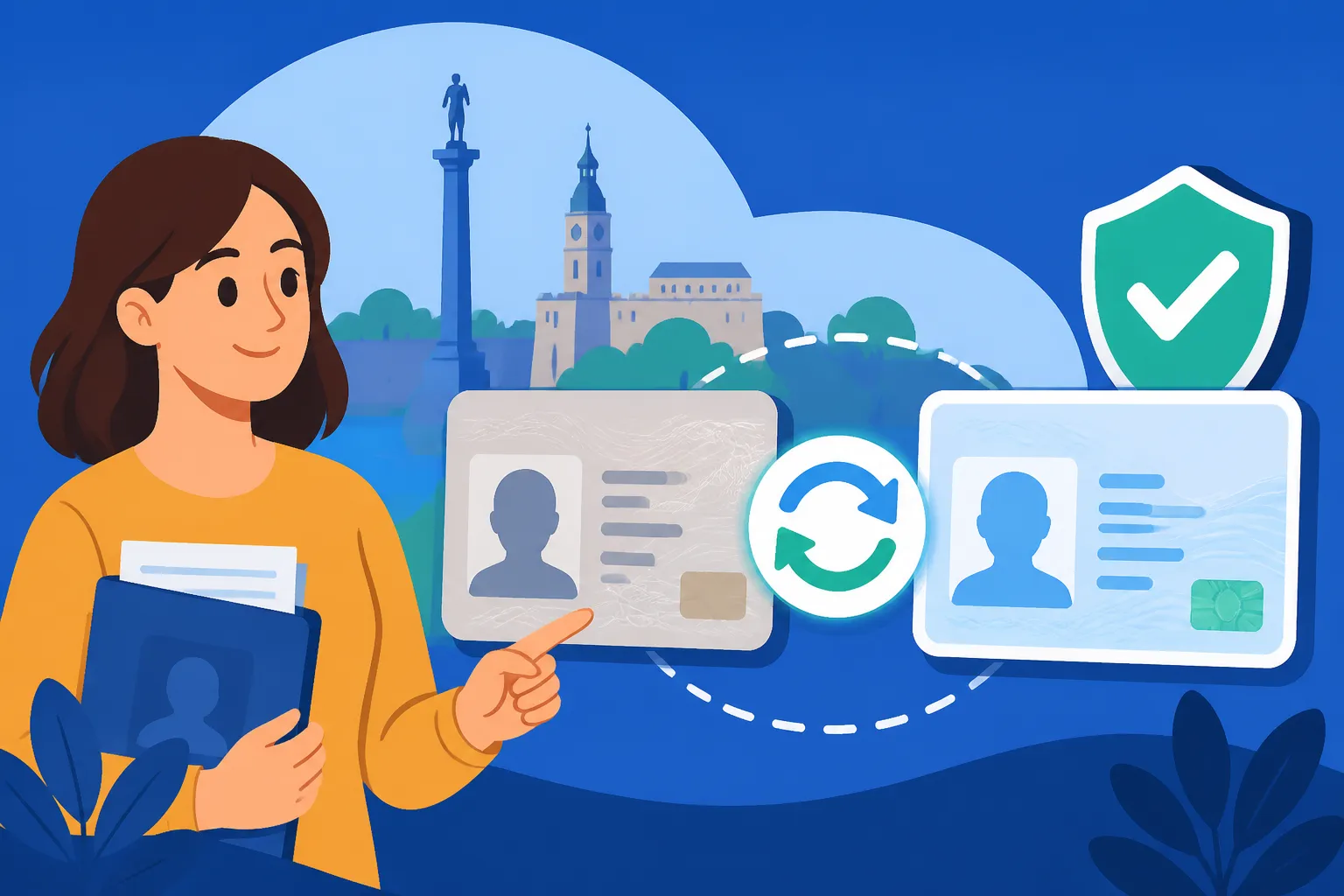
Ah, the good old Serbian residence card! If you've lived in Serbia for any length of time, you know the mix of relief and dread that comes when you look at that little card and realize it's either about to expire, or worse, has gone missing. It's a fundamental piece of your life here, tying you to your legal status, your ability to work, and frankly, your sanity. This guide is here to untangle the often confusing process of renewing or replacing your boravak (temporary residence) card, helping you navigate the system with a bit more confidence.
Understanding Your Serbian Residence Card
For any expat living in Serbia, that little plastic card, your lična karta za strance (foreigner's ID card) or simply your residence card, isn't just a formality. It’s your official ticket to being here legally, enabling you to do everything from signing rental agreements to opening a bank account. Without a valid card, you're essentially in legal limbo, and trust me, that's not a place you want to be in Serbia.
The Importance of a Valid Card for Expats
Think of your residence card as your proof of identity and legal status in Serbia. It’s what you present when registering for various services, dealing with any official body, or simply proving you have the right to reside in the country. If you're working, studying, or running a business, your residence permit is intricately linked to your daily operations and long-term plans. An expired card isn't just an administrative oversight; it can quickly lead to serious complications.
I've seen fellow expats caught off guard, their cards expiring right before a planned trip or an urgent appointment. Suddenly, you can't travel, your employer might question your legal status, or you might face difficulties accessing essential services. It’s a huge headache and entirely avoidable with a bit of foresight. Always remember that your legal right to stay in Serbia, whether for work or simply as a resident, hinges on keeping this document current and valid. Understanding how long does temporary residence last in Serbia? is your first step in avoiding these stressful situations.
Key Information on Your Residence Card
Your Serbian residence card, despite its small size, holds a wealth of critical information. It features your photograph, personal details like your name, date of birth, and nationality, and most importantly, the type of residence permit you hold (e.g., for employment, study, family reunification, or property ownership). You’ll also find its issue date and, crucially, its expiration date. This expiration date is your golden number, the one you need to circle in red on your calendar.
Beyond the dates, the card also contains your unique identification number, which is used across various state systems. Take a moment to familiarize yourself with all the details on your card. Knowing exactly what’s printed on it can save you time and confusion when filling out forms or talking to officials. Make copies of both sides of your card and store them separately. This simple habit can be a lifesaver if the physical card is ever lost or stolen, providing quick access to necessary details without panic.
The Residence Card Renewal Process in Serbia
Renewing your residence card in Serbia isn't always a walk in the park, but it doesn't have to be a nightmare either. It requires meticulous planning, a good understanding of the required documentation, and a healthy dose of patience for the bureaucratic dance at the Ministry of Interior (MUP).
When and How to Initiate Your Renewal
The golden rule for residence card renewal is: don't wait until the last minute. Generally, it's advised to start the process at least 30 to 60 days before your current card's expiration date. This window gives you ample time to gather all your documents, secure any necessary translations, and make an appointment without the crushing pressure of an impending deadline. Some types of permits, particularly for work, might even suggest starting earlier, as delays in processing can sometimes occur.
The first step usually involves scheduling an appointment at the MUP department responsible for foreigners (Uprava za strance), which in Belgrade is located on Savska Street. While walk-ins might sometimes be accommodated in smaller towns, it’s always best practice to schedule an appointment, often through an online portal if available, or by calling ahead. This ensures you’ll be seen and reduces waiting times significantly. Missing this window means you risk your current permit expiring, which can complicate everything, potentially leading to fines or even a requirement to leave the country and reapply.
Required Documents for Renewal
This is where things can get a bit overwhelming because the exact documents you need for renewal depend heavily on the grounds for your temporary residence. The basic list is fairly universal, but specific purposes (work, study, family) will have their own additional requirements. Generally, you will need:
- Your expired or soon-to-expire residence card.
- Your valid passport (ensure it has at least six months validity beyond your intended new permit duration).
- Proof of sufficient financial means (bank statements, salary slips, or a sponsor’s declaration).
- Proof of health insurance. For many, this means registering with the RFZO (Republic Health Insurance Fund), but private health insurance, like from Cigna Global, can also be accepted, especially if you're not formally employed in Serbia.
- Proof of accommodation (a notarized rental contract, property ownership documents, or a statement from your host). It's crucial that this document is current and properly registered, aligning with your official address (prijava).
- Two passport-sized photographs (3.5×4.5 cm, white background, recent).
- A completed application form (you can usually get this at the MUP or sometimes download it online).
- Proof of payment of administrative fees.
Beyond this, if you're renewing based on employment, you’ll need a valid employment contract, often a copy of your company’s registration, and documents from your employer justifying your continued stay. For study, you’ll need a certificate of enrolment from your educational institution. If it’s family reunification, marriage certificates or birth certificates might be required, often with apostille and official translations. Always remember that official documents not originally in Serbian will need to be translated by a certified court translator and sometimes apostilled, as detailed in Understanding Document and Translation Requirements for Serbia Immigration. It's best to call the MUP beforehand or consult with an immigration specialist to get the most precise list for your specific situation.
Navigating the MUP Appointment and Submission
Once you have your stack of perfectly organized documents, the next step is your MUP appointment. This can feel like walking into a labyrinth, especially for newcomers. Arrive early, even with an appointment, as things can sometimes run a little behind schedule. Dress respectfully, bring a positive attitude, and be prepared for potential language barriers. While some MUP officers, particularly in Belgrade, might speak English, it’s not guaranteed. Having a Serbian-speaking friend, a local colleague, or a professional translator with you can make a world of difference.
The officer will review your documents, ask questions about your stay, and verify your information. It’s important to be honest and clear. They might ask why you want to continue living in Serbia, what your plans are, or specifics about your employment. This isn't usually an interrogation, but rather a standard procedure to ensure you meet the criteria for renewal. Once all documents are accepted, you’ll be directed to pay the administrative fees at a nearby post office or bank. Keep the payment receipts safe, as you’ll need to return to the MUP with them to finalize your submission. The entire process requires patience, but remember, the officials are simply doing their job to enforce the rules laid out in The Complete Guide to Serbia Visas and Immigration for Expats (2027).
What to Do If Your Residence Card is Lost or Stolen
Losing your residence card or, even worse, having it stolen, is one of those expat nightmares that can send shivers down your spine. It's a massive inconvenience, but it's not the end of the world. The key is to act quickly and systematically.
Immediate Steps After Loss or Theft
The very first thing you need to do, the moment you realize your card is gone, is to report it to the police. This isn't just a suggestion; it’s a legal requirement. Head to the nearest policijska stanica (police station) or the MUP police department responsible for your area. You’ll need to file a report detailing how and where the card was lost or stolen. Bring your passport and any other form of ID you have (like a driver's license or a copy of your lost residence card).
The police will issue you a report, often called a zapisnik. This document is absolutely vital. It serves as official proof that your card is no longer in your possession and that you've reported the incident. Without this police report, you won't be able to apply for a replacement card. If you happen to be traveling or have urgent travel plans, immediately contact your embassy or consulate to inquire about temporary travel documents, though this is rare for residence cards. The police report is your priority, as it protects you from any potential misuse of your lost card.
Applying for a Replacement Residence Card
Once you have that all-important police report, you can begin the application for a replacement card. The process is similar to a renewal, but with some crucial differences. You’ll still need your valid passport, fresh passport-sized photos, and a completed application form. However, instead of an expiring card, your primary document will be the police report proving the loss or theft.
You'll need to make an appointment at the MUP’s Department for Foreigners, just like with a renewal. Explain clearly that you are applying for a replacement due to loss or theft. The fees for a replacement might be slightly different or include an additional charge compared to a standard renewal, reflecting the administrative burden of issuing a new document outside of the regular cycle. There might also be a specific form to declare the loss or theft, which you'll fill out on the spot. While it’s tempting to panic, maintaining a calm and organized approach, backed by your police report, will make this process much smoother. Remember, while inconvenient, many expats have gone through this, and the system is in place to help you get your documentation back.
Common Challenges and Troubleshooting for Expats
Navigating the Serbian bureaucracy can feel like a maze, and when it comes to something as critical as your residence card, even small hiccups can cause significant stress. Being prepared for common challenges can help you tackle them head-on.
Dealing with Expired Cards and Overstays
One of the biggest anxieties for expats is realizing their residence card has expired. This isn't just a bureaucratic annoyance; it has serious legal ramifications. An expired card means you are technically no longer legally residing in Serbia. The MUP takes these matters seriously, and depending on how long you've overstayed, you could face fines, a ban from re-entering Serbia for a certain period, or even immediate deportation.
If you find yourself in this unenviable position, the best course of action is to address it immediately. Go to the MUP, explain your situation, and be prepared for potential penalties. Sometimes, if the overstay is minor and unintentional, officials might be understanding, but don't count on it. They will guide you on the next steps, which might involve a penalty payment and a requirement to leave the country and reapply for a visa from your home country. This situation underscores why proactive renewal, as discussed in How to Renew Your Temporary Residence in Serbia, is absolutely paramount. It’s far better to gather your documents and face a little MUP waiting room anxiety than to confront the consequences of an expired permit.
Language Barriers and Bureaucracy
Ah, the language barrier – the universal expat challenge. While more and more officials in Belgrade, particularly within departments dealing with foreigners, have some grasp of English, it’s far from universal. Many expats find communication at the MUP to be one of the most frustrating aspects of the process. Trying to explain complex situations or understand specific document requests in a foreign language can quickly lead to misunderstandings and errors.
My advice? Don't leave it to chance. If your Serbian isn't up to snuff, bring a Serbian-speaking friend, colleague, or better yet, a certified translator with you. There are many excellent professional services available. It's a small investment that can save you hours of confusion and potential mistakes. Beyond language, there’s the general pace of bureaucracy. Things often move slowly. Documents might need to be verified by multiple departments, and patience is not just a virtue, it's a necessity. Come prepared with a good book, some music, and mentally brace yourself for a wait. Remember that everyone in the office is following procedures, and a polite, calm demeanor will always serve you better than frustration. If you truly feel stuck or overwhelmed, consider seeking assistance from a local immigration lawyer or expat service provider; they can be invaluable in cutting through red tape and explaining the nuances of the Serbian legal system, especially when considering the complete guide to Serbia visas and immigration for expats (2026).
Changes in Circumstance Affecting Renewal
Life happens, and your circumstances in Serbia might change between your initial residence permit application and its renewal. You might get married, divorce, change jobs, move apartments, or even start your own business. It's absolutely crucial that you understand how these changes can impact your residence permit and its renewal. For example, if your initial permit was based on employment, and you’ve since changed jobs, your new employer will need to submit a fresh application on your behalf, often leading to a new Single Permit for Work and Residence in Serbia.
Similarly, if you move to a new address, you are legally required to register your new address (prijava) with the police within 24 hours. Failing to update your records can cause issues when you go to renew, as your official address on file won't match your current living situation. Always inform the MUP of significant changes to your personal status or the grounds for your residence. Doing so proactively can save you a lot of hassle and ensure your renewal process goes smoothly, demonstrating that you are a responsible resident. Understanding the grounds for temporary residence in Serbia is key here, as your renewal application must clearly reflect your current, accurate circumstances.
Maintaining Your Residence Status in Serbia
Getting your residence card is just the first step; maintaining your status requires ongoing awareness of the rules, especially if you have long-term plans to live in Serbia.
Understanding Continuous Stay Requirements
For those of us eyeing permanent residence eventually, it's vital to understand the concept of "continuous stay." While you might travel in and out of Serbia frequently, the authorities keep track of your absences. To qualify for permanent residence, generally, you need to have spent a certain amount of time residing in Serbia without extended breaks. For example, to move from temporary to permanent residence in Serbia, there's typically a requirement of five years of continuous temporary residence, with permissible absences not exceeding specific durations (e.g., usually no more than 10 months in total over the five years, and no single absence longer than six months).
Exceeding these absence limits could potentially reset your "clock" for permanent residence eligibility, or at the very least, complicate your application. Each exit and entry is recorded, so it's not something you can fudge. If you anticipate long periods away from Serbia, it's always best to consult with the MUP or an immigration lawyer to understand the exact implications for your specific residence type and future plans. Proactive management of your travel schedule is essential for maintaining your long-term status, as detailed in Understanding How to Maintain Your Permanent Residence in Serbia.
Preparing for Future Renewals and Permanent Residence
Think of each renewal as building blocks toward your long-term life in Serbia. The best strategy is to keep meticulous records of everything. Every application, every document submitted, every fee paid, and every communication with the MUP should be filed away. This comprehensive paper trail will be invaluable for future renewals and, especially, when you eventually apply for permanent residence. It demonstrates consistency and adherence to regulations.
As you approach the multi-year mark of your temporary residence, start familiarizing yourself with the requirements for permanent residence. This might involve different sets of documents, possibly additional language requirements, or specific financial criteria. Planning ahead means you can start gathering necessary documents, such as proof of your ties to Serbia, well in advance. Don't wait until the last minute to think about the next big step; ongoing preparation is the expat's secret weapon in navigating the Serbian immigration system. Consider how each successful renewal strengthens your overall application for a more permanent status, especially if you're working towards Serbian citizenship eventually.
Key Differences: Renewal vs. Replacement
To help clarify the process, here's a quick comparison of the key aspects when renewing versus replacing your Serbian residence card.
| Feature | Renewal Process | Replacement Process |
|---|---|---|
| Trigger Event | Card nearing its expiration date. | Card is lost, stolen, or severely damaged. |
| Primary Document | Your existing residence card. | Official police report (for loss/theft). |
| Urgency Level | Planned, usually 30-60 days before expiration. | Immediate, as soon as loss/theft is realized. |
| Key Added Document | Proof of continued grounds for residence (job, study). | Police report (zapisnik) detailing loss/theft. |
| Focus of Inquiry | Verification of continued eligibility. | Verification of loss/theft and identity. |
| Potential Costs | Standard administrative fees. | Standard administrative fees, potentially additional charges for urgent processing or specific forms. |
| Potential Delays | Can occur due to volume, incomplete documents. | Can occur due to police report processing, MUP verification. |
Disclaimer
Please remember that while this guide provides comprehensive information based on current practices and regulations in Serbia, immigration laws can change. It is always advisable to consult directly with the Serbian Ministry of Interior (MUP) or a qualified immigration lawyer for the most up-to-date and personalized advice regarding your specific situation. This content is for informational purposes only and does not constitute legal advice.